

Samsung Galaxy S26 smartphones unveiled: lots of artificial intelligence, not too many breakthroughs
26.02.26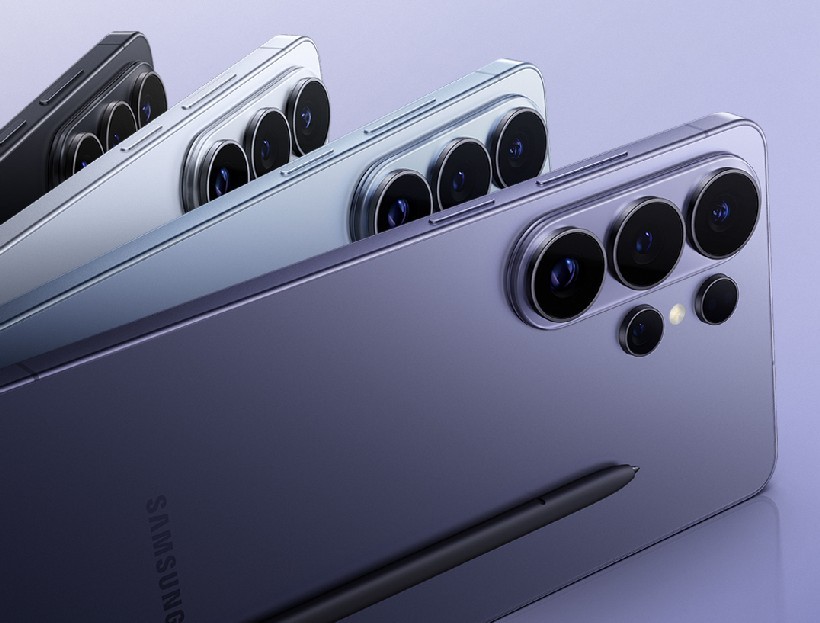
The Samsung Galaxy S26 series was presented in San Francisco on February 25, 2026. The company did not change the basic strategy, but approached the update quite seriously in terms of AI integration and hardware optimization.
The new flagships retain a familiar formula: these are three models that differ in size, camera capabilities and performance level – a familiar scheme for the Galaxy S of recent years. They all run Android 16 with the One UI 8 / 8.5 shell, support 7 years of security and OS updates and have advanced artificial intelligence functions in everyday use.
Samsung Galaxy S26: “compact flagship” with moderate changes
The Samsung Galaxy S26 is the youngest of the three. At first glance, the new product looks like a continuation of the S25, but with some noticeable differences.
The S26 screen has become slightly larger – 6.3″ Dynamic AMOLED 2X with an adaptive frequency of up to 120 Hz and a peak brightness of about 2600 nits. This is a typical modern flagship display, but without radical innovations compared to its predecessor.
The case uses the proprietary Gorilla Glass Armor 2, and the design – flat sides and a dense frame – seems familiar, but with a new arrangement of camera modules on a plate with rounded corners.
In terms of “stuffing”, the S26 received 12 GB of RAM and a reserve of internal storage up to 512 GB. The heart of some regional versions was the Samsung Exynos 2600 (2 nm), but for some markets, in particular the USA and China, Qualcomm Snapdragon 8 Elite Gen 5 chips are available – this is Samsung’s usual strategy of mixed adaptation of processors in flagships.
Snapdragon 8 Elite Gen 5 and Snapdragon 8 Elite The Gen 5 for Galaxy is built on the same architecture with the same 3rd generation Oryon cores, Adreno 840 GPU, and new Hexagon NPU. However, the “for Galaxy” version gets higher frequencies, more careful selection of crystals, and better optimization for specific Samsung smartphones.
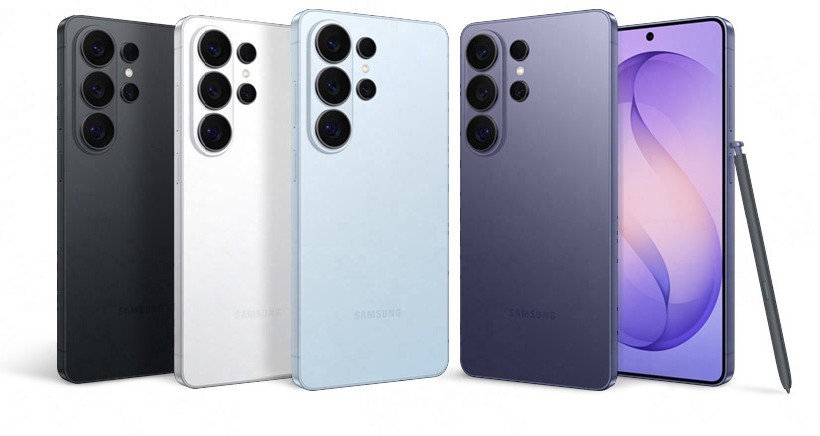
The camera module is standard: 50 MP main, 12 MP wide-angle and 10 MP telephoto with 3× optical zoom. From first impressions, the improvement in photo and video quality will depend not so much on the hardware as on new AI algorithms, Photo Assist and editing capabilities directly on the device.
The battery has grown to 4300 mAh, but judging by previous observations, the battery life has not changed dramatically. Fast charging has remained at 25 W.
The impression of the S26 in the first hours of use is that it is a flagship with a minimal set of changes: a larger display and a slightly larger battery, but there is no radical step forward in design or functionality.
Samsung Galaxy S26+: the “golden mean” with a larger diagonal
The Samsung Galaxy S26+ looks like the same S26, only slightly larger. Its 6.7″ screen is based on a Dynamic AMOLED 2X matrix with similar brightness and refresh rate characteristics.
The advantages of the mid-range model are a large 4900 mAh battery and slightly faster charging up to ~45 W, which gives noticeably more “longevity” in real use.
Other elements – the processor, camera and AI work – are almost the same as the S26, but the proportions of “size/operating time/image quality” make the S26+ the optimal choice for those who care about a more visible screen area without switching to the top Ultra model.
Overall, the S26+ looks like a more traditional mid-segment flagship: a larger screen, battery and a little “more of the same” that the basic S26 offers.
Samsung Galaxy S26 Ultra: The Most Equipped, But Not Revolutionary
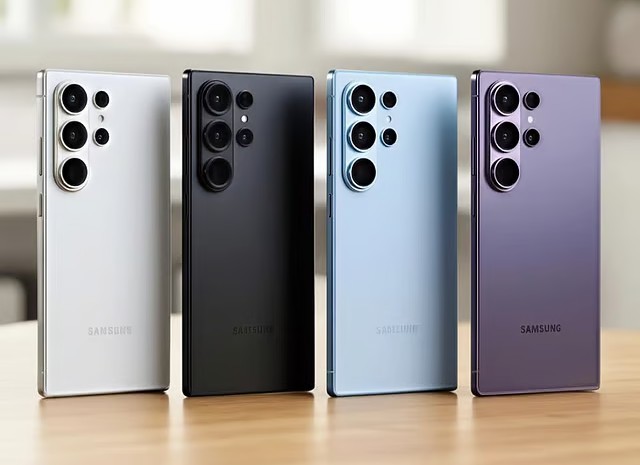
The Samsung Galaxy S26 Ultra is the main character of the series, and it is he who is paying attention to tech reviewers.
This is the largest smartphone in the series with a 6.9″ QHD+ Dynamic AMOLED 2X display and an adaptive frequency of up to 120 Hz, which has maximum brightness, smoothness in motion and accurate color reproduction.
The Ultra differs from the main pair of models in several key elements that noticeably affect the everyday experience:
- Snapdragon 8 Elite Gen 5 — a customized chip with a significant increase in CPU, GPU and NPU performance, which makes the device more agile in complex tasks, multitasking and artificial intelligence.
- Privacy Display — a new technology for built-in screen protection that limits the side viewing angle and makes the content visible only to the owner. This solution does not affect the image quality, but significantly enhances privacy in public places.
- Cameras — a 200 MP main sensor with a wide aperture and two telephoto lenses with different levels zoom. The combination allows you to get detailed shots in low light and work effectively with zooming, depending on the situation.
- The battery is 5000 mAh with support for Super-Fast Charging 3.0, which provides noticeably fast charging and long battery life.
Initial impressions of the Ultra indicate a very good balance between power, operating time and cameras, but the changes are evolutionary, not radical: the new features work well, but they do not “rewrite the rules” compared to last year’s S25 Ultra.
Summary and first impressions
The Samsung Galaxy S26 series did not become a “revolution” in Samsung smartphones, but it meaningfully supplemented the brand’s lineup. The main themes of the updates are artificial intelligence, performance optimization, camera quality and data privacy, rather than a radical change in design or features.
The basic Galaxy S26 and S26+ are logical successors to their predecessors with noticeable, but not radical, changes. Their strength lies in balance, discrete upgrades and a stable platform.
The Samsung Galaxy S26 Ultra is the most “powerful” of the three, with an emphasis on performance and new camera capabilities, but without significant gaps with last year’s models. This is more of a phased development than a completely new product.
Overall, the series looks like a “cautious but thoughtful” flagship refresh, with important details for photographers, AI enthusiasts, and those who value a large screen and long battery life.
Don't miss interesting news
Subscribe to our channels and read announcements of high-tech news, tes

Oppo A6 Pro smartphone review: ambitious

 0
0 
Creating new mid-range smartphones is no easy task. Manufacturers have to balance performance, camera capabilities, displays, and the overall cost impact of each component. How the new Oppo A6 Pro balances these factors is discussed in our review.
Oppo Reno 15 5G smartphone review: confident
0 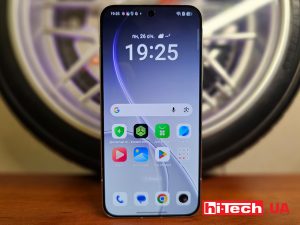
The Oppo Reno15 smartphone emphasizes design, a high-quality display, versatile cameras, and good battery life. Let’s take a closer look.
Xiaomi Tag is a more affordable tracker that is compatible with Apple and Google Apple Google Xiaomi

Xiaomi Tag key feature is simultaneous compatibility with two global search networks: Apple Find My and Google Find My Device.
Samsung Galaxy S26 smartphones unveiled: lots of artificial intelligence, not too many breakthroughs Samsung smartphone world events
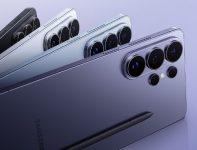
The presentation of the Samsung Galaxy S26 series took place in San Francisco on February 25, 2026. The company did not change its basic strategy, but approached the update quite seriously in terms of AI integration.