

Lenovo introduces ThinkBook laptop concept with 3D screen and smart ring control
06.03.25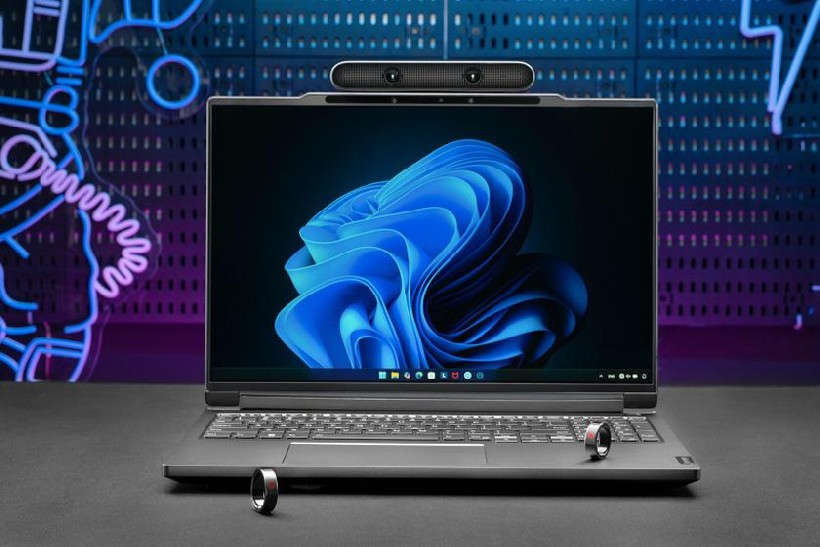
At the Mobile World Congress 2025 in Barcelona, Lenovo unveiled the ThinkBook 3D concept laptop, which showcases two revolutionary solutions.
The first feature is a three-dimensional display with a resolution of 3200×2000 pixels, which does not require special glasses. The 3D effect is achieved thanks to the slight curvature of the screen, directional backlighting and a system for tracking the user’s head position. This allows you to adjust the image in real time, creating a three-dimensional effect from any angle.
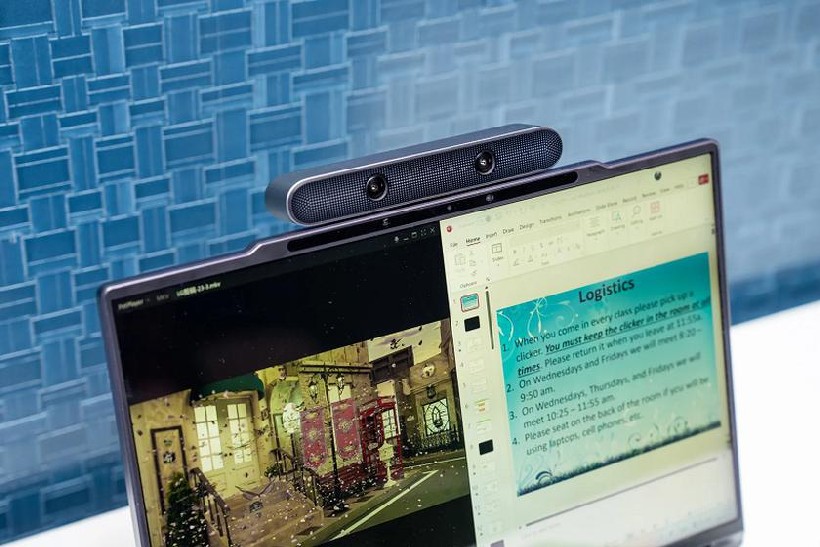
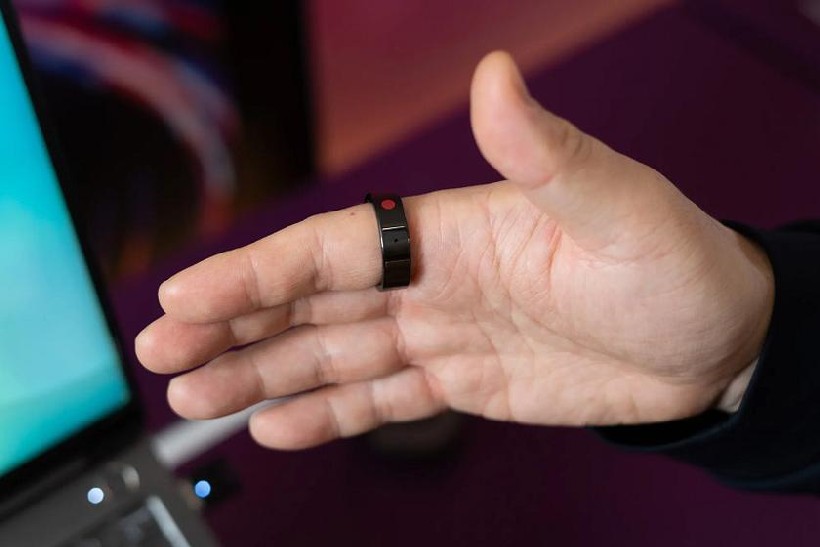
The second innovation is the Lenovo AI Ring smart ring control system. The accessory is equipped with sensors and uses artificial intelligence algorithms, which allows you to turn pages, rotate 3D objects and interact with the interface without traditional input devices.
The Lenovo ThinkBook 3D is still just a concept, and there’s no guarantee it’ll be available for sale anytime soon. However, the technology it offers demonstrates where laptops could go in the future.
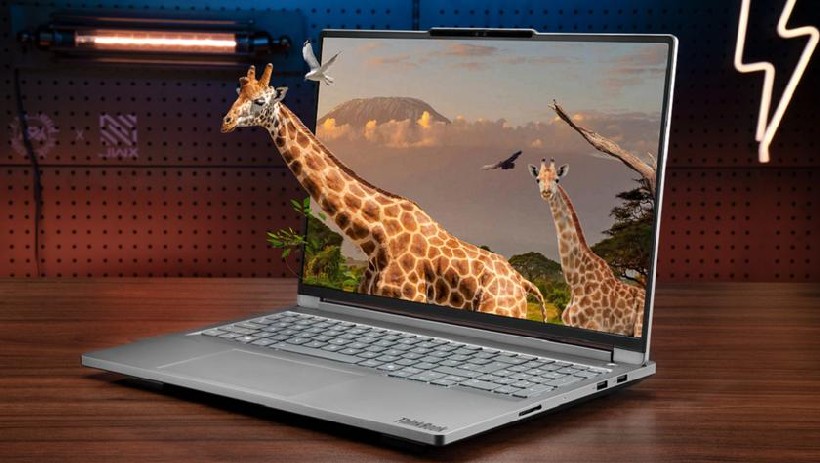
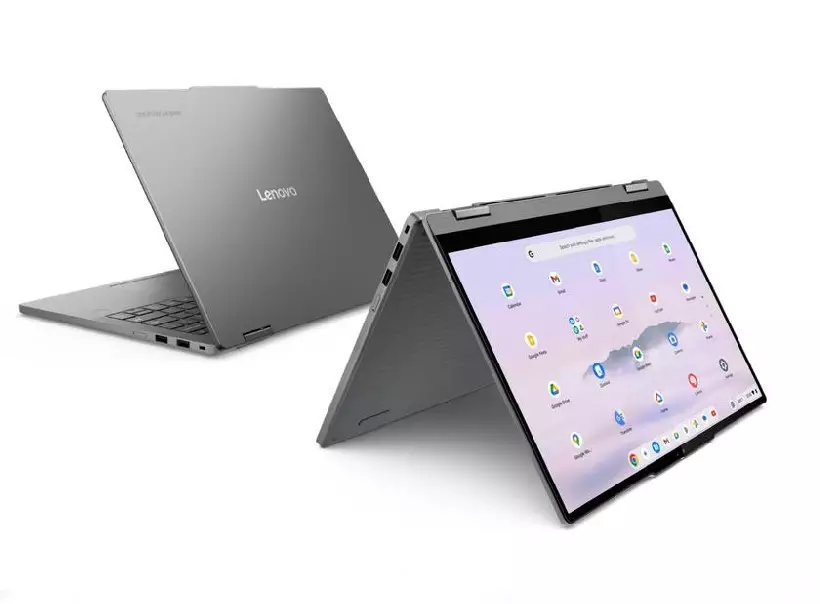
Lenovo has announced the new Chromebook Plus 2-in-1, designed for users who value the power of a laptop and the flexibility of a tablet. This device will be a useful tool for students, office workers and users with basic productivity needs.
The Lenovo Chromebook Plus 2-in-1 features a 14-inch 1920 x 1200 IPS touchscreen display that supports the Lenovo USI Pen 2 stylus. Thanks to the 360 ° hinge, the device can be used as a laptop, tablet or in tent mode.
Device Features
The device’s body is certified according to the MIL-STD-810H standard, providing protection against damage. The lightweight and durable Chromebook weighs only 1.5 kg and is equipped with a backlit keyboard and spill protection.
The device is offered in various configurations, including Intel Core processors up to i7, 16 GB of LPDDR5X RAM and 512 GB SSD. The initial model has 128 GB eMMC.
Lenovo Chromebook’s 50 Wh battery provides up to 11 hours of battery life. The Chromebook is equipped with two USB-A ports, two USB-C, HDMI and a microSD card slot. For wireless connectivity, Wi-Fi 7 and Bluetooth 5.3 are available. The front-facing camera with a resolution of 5 MP is suitable for video conferencing and online communication.
Official data on the cost and start of sales have not yet been announced. However, the device is likely to be presented in the middle price segment.
Along with the Chromebook Plus 2-in-1, Lenovo also announced the Yoga Slim 9i, a unique laptop with two POLED displays and advanced artificial intelligence capabilities. Lenovo is actively developing innovative solutions to strengthen its position in the versatile device market.
Don't miss interesting news
Subscribe to our channels and read announcements of high-tech news, tes

Oppo A6 Pro smartphone review: ambitious

 0
0 
Creating new mid-range smartphones is no easy task. Manufacturers have to balance performance, camera capabilities, displays, and the overall cost impact of each component. How the new Oppo A6 Pro balances these factors is discussed in our review.
Oppo Reno 15 5G smartphone review: confident
0 
The Oppo Reno15 smartphone emphasizes design, a high-quality display, versatile cameras, and good battery life. Let’s take a closer look.
Blizzard will release Overwatch mobile Blizzard games smartphone

Blizzard Entertainment has officially confirmed the development of a mobile game in the Overwatch universe. The new project is called Overwatch Rush and is being created specifically for smartphones.
MIT 3D-printed electric engine for 50 cents 3D print research science

As part of the MIT demonstration, engineers created an electric linear motor that generates translational motion instead of rotating a shaft.