

Google leased nuclear reactors for AI processing centers
18.10.24
Google has announced plans to use small nuclear reactors to power its AI data centers. For this, the company cooperates with Kairos Power, which develops innovative reactors using molten salt as a heat carrier. The first reactor is planned to be commissioned by the end of the decade, and by 2035 the company intends to launch more such reactors.
The solution is due to the growing demand for powerful and sustainable energy resources, caused by the increased use of AI technologies. Nuclear power, which emits no carbon and provides a constant supply of electricity, allows technology companies such as Google, Amazon and Microsoft to reduce their carbon footprint and ensure the sustainability of their infrastructures.
Kairos Power specializes in small modular molten fluoride reactors, which are considered more flexible and efficient compared to traditional nuclear plants. These reactors offer a constant supply of energy unlike renewable sources such as solar or wind, which depend on weather conditions.
Don't miss interesting news
Subscribe to our channels and read announcements of high-tech news, tes

Oppo A6 Pro smartphone review: ambitious

 0
0 
Creating new mid-range smartphones is no easy task. Manufacturers have to balance performance, camera capabilities, displays, and the overall cost impact of each component. How the new Oppo A6 Pro balances these factors is discussed in our review.
Oppo Reno16 Pro 5G smartphone review: well-heeled
0 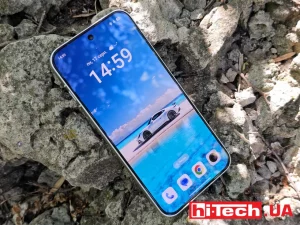
Oppo Reno16 Pro 5G looks like a balanced smartphone, in which the manufacturer tried not to make a single characteristic the defining one. It has many advantages. Let’s tell you what
Asus ROG Xbox Ally X20 Hits Shelves for $1300

Asus has officially released the ROG Xbox Ally X20 for general sale. The handheld console now features an OLED display and a Ryzen AI Z2 Extreme processor.
Fire-Boltt Enters the Smartphone Market With 6000mAh Boltt Ace 5G and Evo 4G
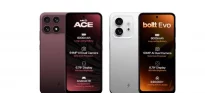
The Fire-Boltt brand has unveiled two budget smartphones, the Boltt Ace 5G and Evo 4G. Both new devices pack massive 6000mAh batteries and will be available for purchase starting September 1.