

Samsung introduced Galaxy Watch Ultra 2 and Galaxy Watch 9. First impressions
23.07.26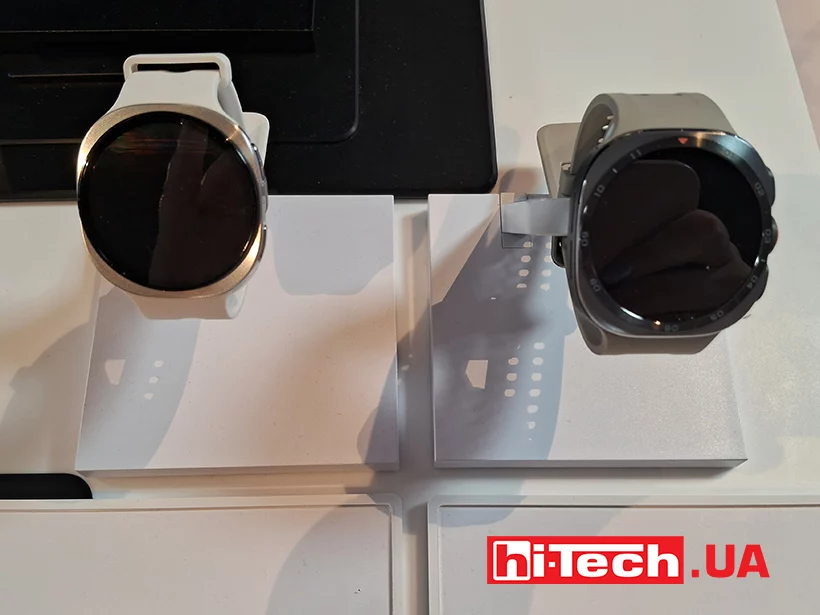
At the presentation of Galaxy Unpacked, Samsung updated the line of branded smart watches, introducing the Galaxy Watch Ultra 2 and Galaxy Watch 9. Instead of making two similar models, the company finally divided the line according to usage scenarios: Ultra 2 is oriented towards sports, travel and extremes for everyday use with an emphasis on health monitoring.
At the same time, both new products received the new Snapdragon Wear Elite platform, brighter displays and advanced AI tools for analyzing the state of the body.
Galaxy Watch Ultra 2: brighter, more powerful and more autonomous
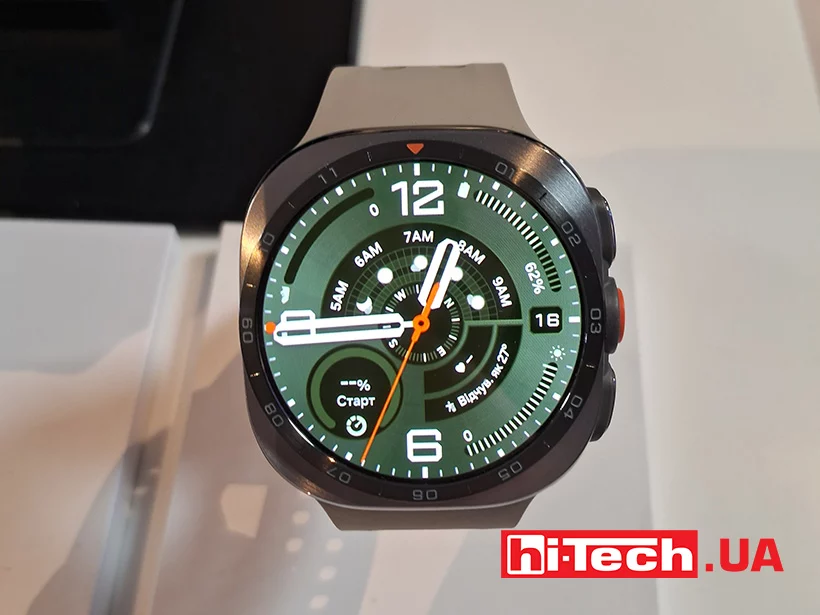
The main update of the Galaxy Watch Ultra 2 was the battery with a capacity of 800 mAh – the largest in the entire history of the series. Combined with the new Snapdragon Wear Elite platform, the watch should provide higher performance and increased battery life. Another feature is the AMOLED display with a peak brightness of 5000 nits, thanks to which the screen remains well readable even under direct sunlight.
Samsung continued to develop the sports functions of the device. The new running mode analyzes the route, elevation changes and terrain features, helping the user to distribute the load more efficiently during training. In addition, the watch is able to assess fluid loss and warn of the need to replenish the water balance.
Galaxy Watch 9 focused on health
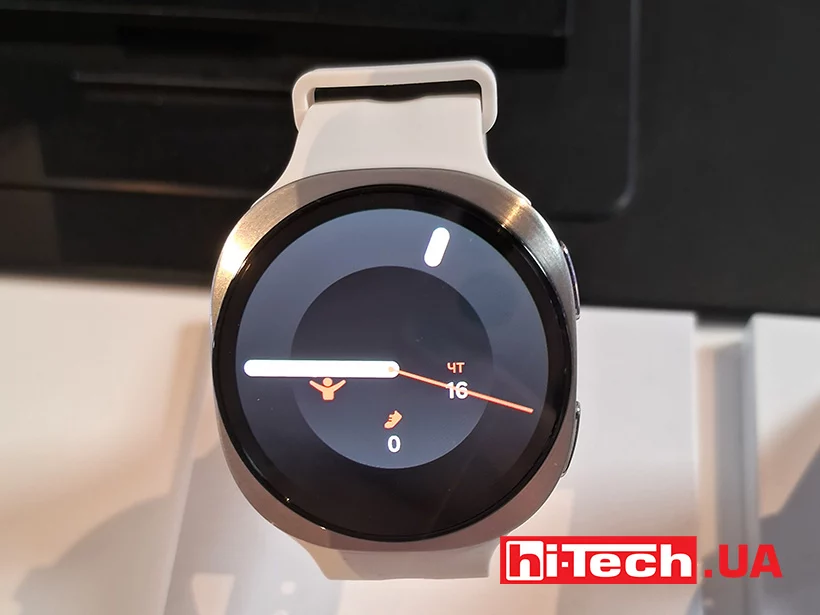
Unlike the Ultra 2, the Galaxy Watch 9 is positioned as a watch for daily use. The model has retained the well-known design of the previous generation with an aluminum case, but received a more modern hardware platform, a screen with a brightness of up to 3000 threads and updated Samsung Health functions.
Samsung has added new health monitoring tools. The watch is able to monitor the user’s vital signs, analyze the state of the cardiovascular system, the quality of sleep, physical activity and the general level of stress, as well as warn in advance about possible deviations. All recommendations are formed by artificial intelligence algorithms taking into account BioActive sensor data.
Autonomy is provided by batteries with a capacity of 390 mAh (40 mm) and 445 mAh (44 mm).
Release date and price
Galaxy Watch 9 will go on sale in four configurations:
- 40 mm Bluetooth – about €400;
- 40 mm LTE – about €450;
- 44 mm Bluetooth – about €440;
- 44 mm LTE – about €485.
Pre-orders are already open, and the watch will go on sale in early August.
Galaxy Watch Ultra 2 is also available to order now, starting at $750, and shipping to customers will begin on August 3.
In this generation, Samsung did not radically change the design of the watch, focusing on something else. The company strengthened the autonomy of the flagship model, significantly increased the brightness of the displays, transferred both novelties to a new hardware platform and expanded the capabilities of artificial intelligence in Samsung Health services.
Don't miss interesting news
Subscribe to our channels and read announcements of high-tech news, tes

Oppo A6 Pro smartphone review: ambitious

 0
0 
Creating new mid-range smartphones is no easy task. Manufacturers have to balance performance, camera capabilities, displays, and the overall cost impact of each component. How the new Oppo A6 Pro balances these factors is discussed in our review.
Oppo Reno16 Pro 5G smartphone review: well-heeled
0 
Oppo Reno16 Pro 5G looks like a balanced smartphone, in which the manufacturer tried not to make a single characteristic the defining one. It has many advantages. Let’s tell you what
Xbox Lands on TCL: Cloud Gaming Without a Console

Microsoft officially announced a partnership with TCL to launch the Xbox cloud service on smart TVs.
Budget Laptops at Risk as Component Costs Surge by 50%

According to a TrendForce report, components like processors, RAM, and storage now account for 68% of a laptop’s production cost, up from 45% last year.