

Another 110 languages have been added to Google Translate, a quarter of which are African
01.07.24
Google announced a significant expansion of the Google Translate service, adding 110 new languages. This is the largest update in the history of the service, increasing the total number of languages supported to 243. A key role in this expansion was played by the innovative language model of artificial intelligence PaLM 2, which helped to master new languages, especially those that are closely related to each other, such as Awadhi and Marwadi, as well as French Creole languages
Among the new languages, the Cantonese dialect, which Google Translate users have been waiting for for a long time, stands out. Problems with the matching of the written forms of Cantonese and Mandarin made it difficult to train the models, but this obstacle has now been overcome. About a quarter of the new languages come from Africa, underscoring the update’s global reach. Most of the added languages are used by at least a million speakers, and some have hundreds of millions of speakers.
Google plans to support even more language varieties and orthographic conventions in the future, aiming to build artificial intelligence models that support the 1,000 most spoken languages around the world.
Don't miss interesting news
Subscribe to our channels and read announcements of high-tech news, tes

Oppo A6 Pro smartphone review: ambitious

 0
0 
Creating new mid-range smartphones is no easy task. Manufacturers have to balance performance, camera capabilities, displays, and the overall cost impact of each component. How the new Oppo A6 Pro balances these factors is discussed in our review.
Acer Nitro Lite 16 (NL16-71G) laptop review: versatile and attractive
0 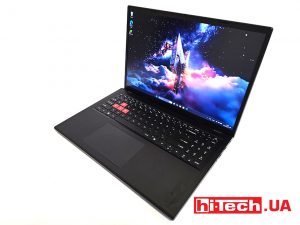
The 2025 Acer Nitro Lite 16 features an interesting case design, gaming accents, and proven components. Let’s take a closer look at its features.
Xiaomi Vision Gran Turismo supercar concept shown at MWC 2026 car concept MWC Xiaomi

Xiaomi Vision Gran Turismo supercar concept is built on a platform with 900V architecture based on silicon carbide (SiC)
Keychron K2 HE – 75% concrete keyboard keyboard
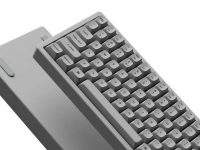
Keychron has released a limited edition of the K2 HE mechanical keyboard in 75% format