

Windows operating system turns 40
10.12.25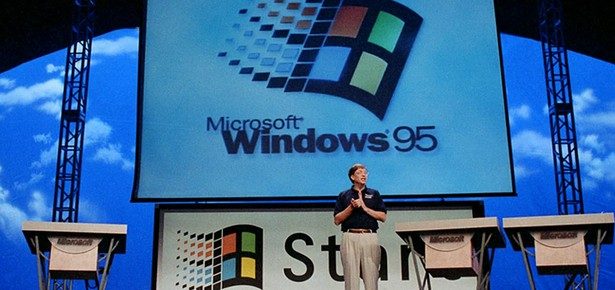
To mark the fortieth anniversary of Windows 1.0, we decided to remember the moment that became a turning point for the entire personal computer industry. The first version of the graphical shell for MS-DOS was released on November 20, 1985 and was designed for machines with an Intel 8088 processor and a minimum amount of memory. Since then, the system has repeatedly changed its appearance, capabilities and technical base, gradually becoming a universal platform for most computers.
The modern Windows 11 formally continues the Windows 10 line, but is perceived by users ambiguously. With the core preserved, the system received a noticeably redesigned interface and a set of new services, as well as changes in the logic of the menu and built-in tools. Against the background of constant updates, complaints about errors and instability regularly arise, which becomes the subject of discussions in the community.
Microsoft’s plan to develop Windows as an “agent” operating system with deep integration of AI technologies is a controversial one. This approach is of interest, but also of concern to those who prefer a more traditional model of personal computing.
Brief History of Windows
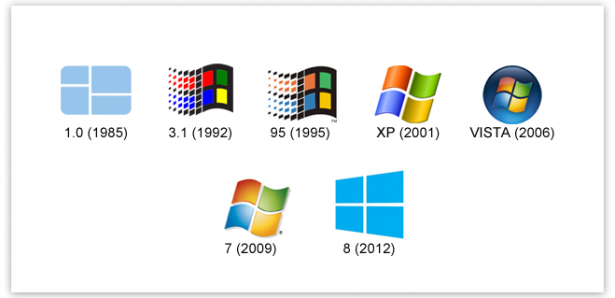
The history of Windows began in the late seventies, when Microsoft decided to create a graphical shell for its DOS. The first attempts looked more like an experiment, but with the release of early versions of Windows, the company laid the foundation for a popular desktop platform, which later grew into a full-fledged operating system. The breakthrough came in the nineties, when Windows received a more stable architecture, a clear interface and began to be installed on most mass PCs.
In parallel, Microsoft developed the NT branch, creating a system based on business needs and increased security requirements. It was with NT in mind that those versions of Windows emerged that determined the development of the platform. In the early two thousandths, Windows XP became a universal solution for a wide audience and for many years consolidated the company’s dominance in the market. Later attempts to modernize the system, in particular Windows Vista, met with a restrained reaction due to its demanding nature and controversial innovations, but they set the direction for the evolution of the interface and functions.
Windows 7 as icon
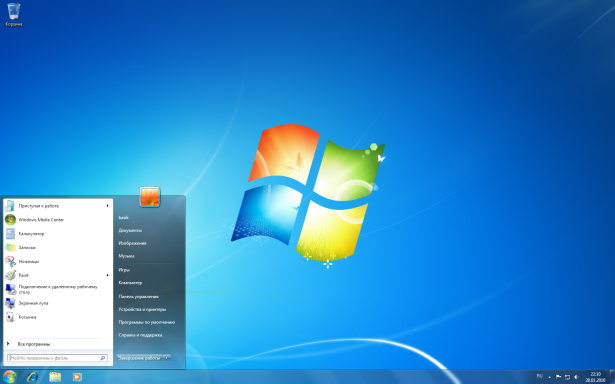
Windows 7 was more successful, combining an updated design and stability, and subsequent releases gradually moved towards the concept of a universal system for different devices. Windows 8 changed the logic of user interaction, emphasizing touch control, although this approach did not suit everyone. In response, Microsoft rethought the interface, and Windows 10 returned to the familiar usage model, while integrating cloud service mechanisms.
Today, Windows remains the key platform for desktop computers. The company’s new strategy is focused on adapting the system to modern hardware solutions, improving performance, and expanding ecosystems by integrating artificial intelligence. Microsoft seeks to maintain a balance between traditional capabilities and innovations, while maintaining the status of a universal tool for millions of users around the world.
Don't miss interesting news
Subscribe to our channels and read announcements of high-tech news, tes

Oppo A6 Pro smartphone review: ambitious

 0
0 
Creating new mid-range smartphones is no easy task. Manufacturers have to balance performance, camera capabilities, displays, and the overall cost impact of each component. How the new Oppo A6 Pro balances these factors is discussed in our review.
Oppo Reno 15 5G smartphone review: confident
0 
The Oppo Reno15 smartphone emphasizes design, a high-quality display, versatile cameras, and good battery life. Let’s take a closer look.
Oppo Enco Air 5 Pro headphones have IP55 protection and price $50 Bluetooth earphones Oppo
Oppo launches a new generation of fully wireless headphones – Oppo Enco Air 5 Pro with IP55 protection
Hyundai will add Pokémon to its cars car Hyundai
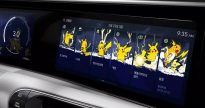
Users will be able to change the graphics of Hyundai’s digital instrument panel and central display, activate thematic navigation, as well as animations.