

Google Maps will build routes for electric cars taking into account the availability of chargers along the way
19.04.24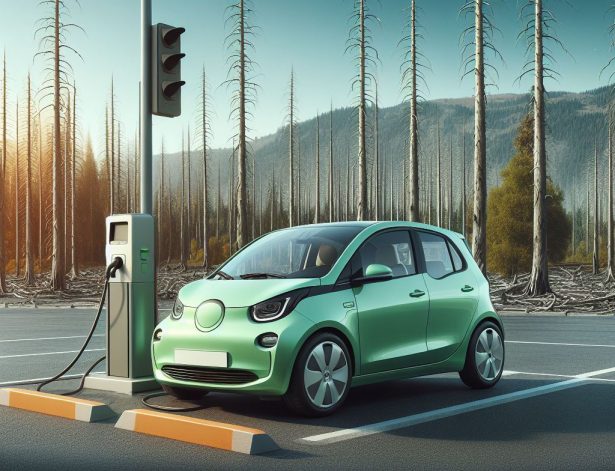
Google has announced an update to the Google Maps app for Android and Android Auto platforms. Maps now offer better navigation to electric vehicle charging stations.
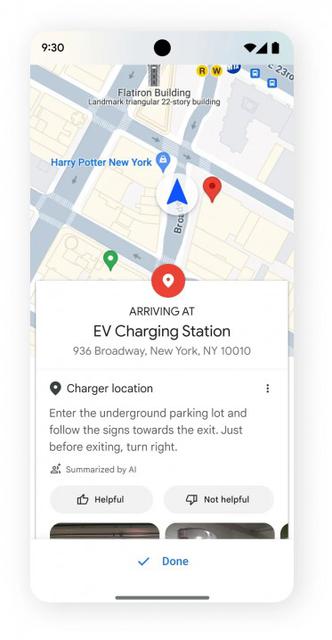
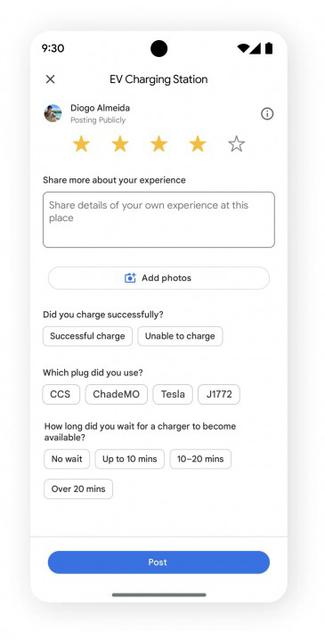
An artificial intelligence algorithm analyzes user comments containing information about the exact location and access to charging points. Additionally, the update includes the ability to receive real-time charging station recommendations while you’re on the road, based on outlet type and charging speed.
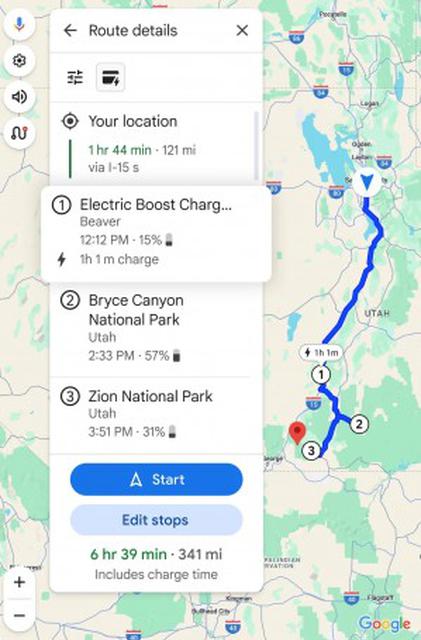
Google Maps can also plan long trips with multiple stops by suggesting charging points based on the car’s battery level and port availability in real time.
Don't miss interesting news
Subscribe to our channels and read announcements of high-tech news, tes

Oppo A6 Pro smartphone review: ambitious

 0
0 
Creating new mid-range smartphones is no easy task. Manufacturers have to balance performance, camera capabilities, displays, and the overall cost impact of each component. How the new Oppo A6 Pro balances these factors is discussed in our review.
Oppo Reno16 Pro 5G smartphone review: well-heeled
0 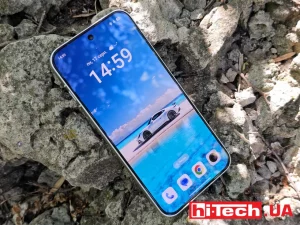
Oppo Reno16 Pro 5G looks like a balanced smartphone, in which the manufacturer tried not to make a single characteristic the defining one. It has many advantages. Let’s tell you what
Haptic Feedback in Smart Rings: The Future of Wearable Interaction

Integrating a vibration motor into the RingConn Gen 3 changes the significance of the ring as a wearable device. We examine why haptic signals are the next step in smart ring evolution, what the feature can currently do, and the technical challenges involved.
SmartSens SCC85XS: A 200MP Sensor With Low Noise and Hardware RAW
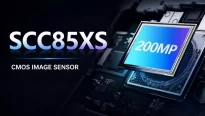
SmartSens introduces the SCC85XS, a flagship 200MP sensor with 0.61µm pixels, advanced noise reduction, and support for hardware-based up to 4x lossless zoom.