

The Meadow: a phone for those who want to disconnect from the digital world and are willing to pay for it.
27.03.26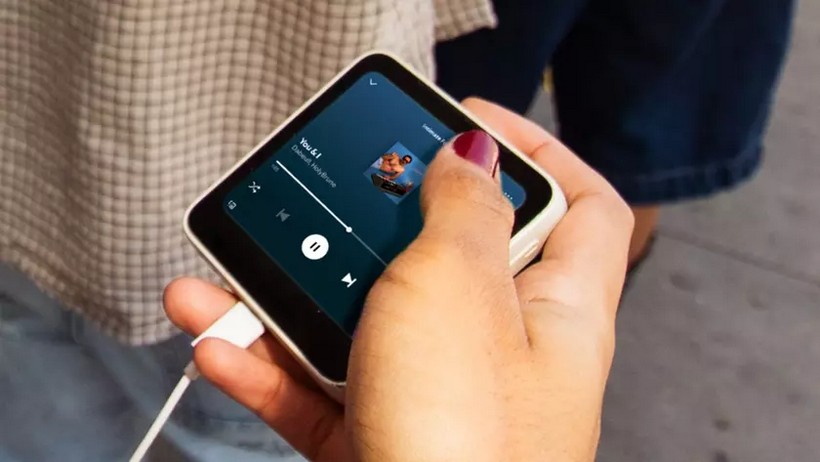
A unique gadget has appeared on the market for those who are tired of constant notifications, social media, and endless scrolling. The Meadow positions itself as a “second phone” — a device that keeps only the essentials for daily life and communication, cutting out all distractions. At the same time, its price is comparable to mid-range smartphones, making it a choice primarily for a small but financially capable audience.
A minimalist approach to technology
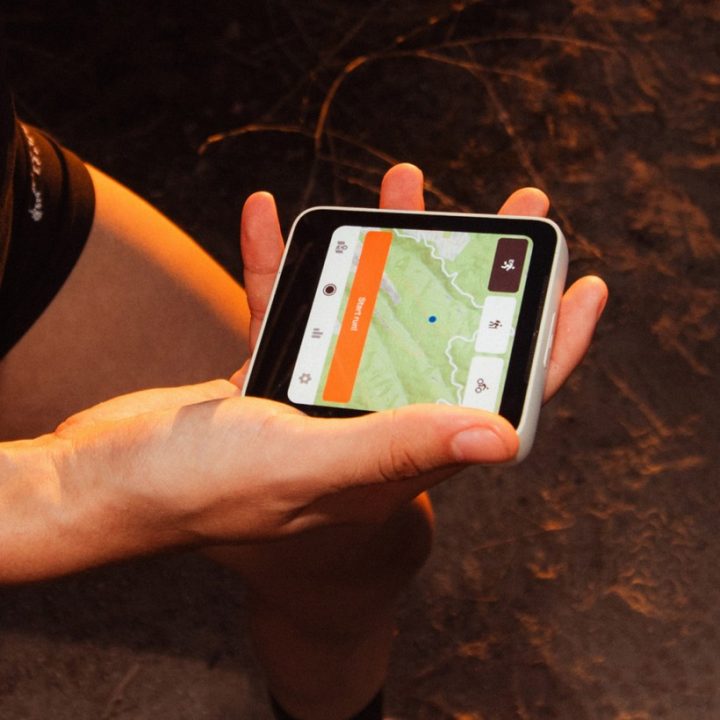
The Meadow does not aim to impress with top-end specifications. It features a compact 3-inch touchscreen, 6 GB of RAM, and 128 GB of internal storage. Its 13 MP camera is sufficient for quickly capturing a receipt at a café, a document, or notes such as a parking spot — artistic photography is not the main focus. The manufacturer has not yet disclosed the processor model but promises battery life of one to two days. Considering the limited content flow on the screen, this is perfectly adequate for everyday use.
Communication limited to close contacts

The main idea behind the smartphone is to reduce unnecessary connections. Users can select up to 12 people who can call or message them. All other attempts to reach the device are automatically blocked. This approach effectively protects against spam, intrusive calls, and digital noise, allowing users to focus on what really matters.
Despite its limited functionality, the device still offers essential conveniences: ride-hailing via Uber, navigation, podcasts and audiobooks, support for Apple Music and Spotify, and a built-in player for local files. In addition, it includes notes, a clock, weather updates, and a fitness tracker — everything needed for a digital detox without giving up daily practicalities.
Connectivity and cost
The Meadow comes with a built-in connectivity module, so no physical SIM or eSIM is required. Network access is provided via subscription: $10 per month or $120 per year. The first nine months of usage are already included in the device’s price.
Pre-orders are now open at $400, with the official launch price set to rise to $450. Shipments are scheduled to begin in June 2026 and are currently limited to the U.S. market. Whether it is worth paying for the ability to disconnect from notifications remains a personal question, but interest in such minimalist devices is steadily growing among those willing to invest in their attention and personal time.
Don't miss interesting news
Subscribe to our channels and read announcements of high-tech news, tes

Oppo A6 Pro smartphone review: ambitious

 0
0 
Creating new mid-range smartphones is no easy task. Manufacturers have to balance performance, camera capabilities, displays, and the overall cost impact of each component. How the new Oppo A6 Pro balances these factors is discussed in our review.
Oppo Reno16 Pro 5G smartphone review: well-heeled
0 
Oppo Reno16 Pro 5G looks like a balanced smartphone, in which the manufacturer tried not to make a single characteristic the defining one. It has many advantages. Let’s tell you what
Lenovo Qira Transforms into a Central AI Hub Across Devices and Services

Lenovo scales its Qira AI, bringing support to PCs with 16GB of RAM, Motorola smartphones, and Moto Watch Ultra.
Lenovo Debuts Yoga Tab Gen 2 and Tab Plus Gen 2 with 4K Displays and Android 17

At IFA 2026 in Berlin, Lenovo introduced its new flagship tablets, the Yoga Tab Gen 2 and Tab Plus Gen 2.