

New Galaxy Z Fold 8 and Z Flip 8: Should You Worry About Shorter Battery Life?
26.07.26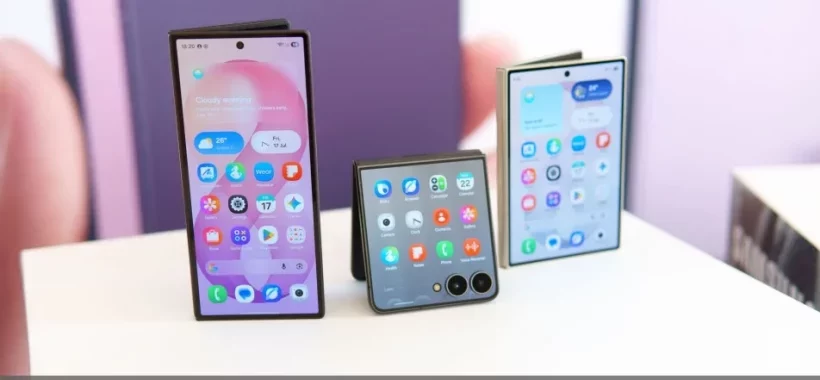
Samsung’s line of foldable smartphones, the Galaxy Z Fold8, Z Fold8 Ultra and Galaxy Z Flip8, mark a major technological shift: the company has pioneered the widespread use of silicon-carbon batteries. This technology allows for a significant increase in energy density – for example, the Fold8 Ultra received a noticeable increase of 600 mAh compared to its predecessor Fold7.
| Characteristics / Model | Galaxy Z Flip7 (2025) | Galaxy Z Flip8 (2026) | Net gain |
|---|---|---|---|
| Battery capacity | 4000 mAh | 4300 mAh | +300 mAh |
| Battery type | Lithium-Ion | Silicon-carbon (Si-C) | |
| Characteristics / Model | Galaxy Z Fold7 (2025) | Galaxy Z Fold8 (2026) | Net gain |
| Battery capacity | 4400 mAh | 4800 mAh | +400 mAh |
| Battery type | Lithium-Ion | Silicon-carbon (Si-C) |
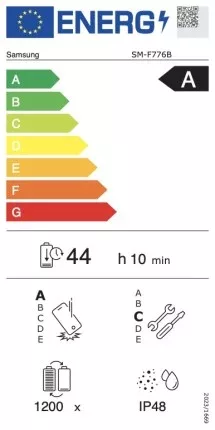
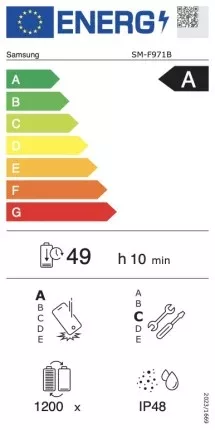
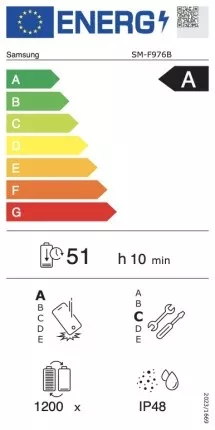
However, technological progress comes at a price. According to European EPREL ratings, the new batteries are designed to last 1,200 charge cycles before capacity drops to 80%. This is significantly lower than the Z Flip7 and Z Fold7, which boasted a resource of 2,000 cycles.
-

- Galaxy Z Flip8
-
- Galaxy Z Fold8
-
- Galaxy Z Fold8 Ultra
What does this mean for the user?
Technically, this means faster degradation compared to traditional lithium-ion cells with graphite anodes. If you charge your smartphone once a day, a resource of 1,200 cycles will be exhausted in about 3.3 years. This is a feature of modern silicon-carbon cells.
Main advantages of Si-C batteries:
- High Energy Density: Holds 30-40% more capacity in the same physical size as conventional batteries.
- Ultra-thin design: allows foldable smartphones to be made thinner and lighter without sacrificing battery life.
- Frost resistance: do not lose capacity and do not turn off in severe frost, maintaining stable operation.
- Fast charging without heating: Absorb energy faster and generate less heat, which significantly extends battery life.
Battery life comparison
Charge cycle endurance indicators
| Smartphone model | Cycles to wear out (80% capacity) |
| Galaxy Z Fold 8, Flip 8, Fold 8 Ultra | 1,200 cycles |
| Galaxy S26 (series) | 1,200 cycles |
| iPhone / Pixel | 1,000 cycles |
Technology features and conclusions
Although the 1,200 cycle life appears to be less than previous years, this value is at a high level in the industry. It’s worth noting that Samsung’s flagship Galaxy S26 series uses the same batteries with a 1,200 cycle rating, while the latest Apple iPhone and Google Pixel models are limited to the 1,000 cycle mark. The purchase of new products in the Fold series remains justified due to the significant gains in capacity and energy density.
Don't miss interesting news
Subscribe to our channels and read announcements of high-tech news, tes

Oppo A6 Pro smartphone review: ambitious

 0
0 
Creating new mid-range smartphones is no easy task. Manufacturers have to balance performance, camera capabilities, displays, and the overall cost impact of each component. How the new Oppo A6 Pro balances these factors is discussed in our review.
In-Ear headphones Active Noise Cancellation: how Oppo eliminate noise
0 
In-ear headphones remain one of the most popular form factors due to their lightweight design. However, this design is considered one of the most challenging to implement active noise cancellation (ANC). We’ll explain how Oppo solved this problem.
The Sinking City 2: From Detective Mystery to Survival Horror

On August 18, The Sinking City 2, the latest project from the Ukrainian studio Frogwares, was officially released.
Acer Go Air: Ultra-Slim Laptop with 120Hz Display and Power-Packed Hardware

Acer has unveiled the new lightweight and affordable Go Air laptop, featuring a 120Hz display, a modern Intel processor, and impressive battery life.