

Philips Evnia 49M2C890 curved monitor with 240Hz QD-OLED screen has an aspect ratio of 32:9
07.05.24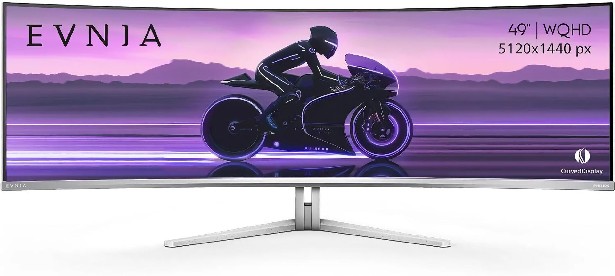
The Philips Evnia 49M2C890 curved monitor has a 49-inch QD-OLED screen with QHD resolution (5120×1440p), 32:9 aspect ratio, 1000 nits brightness and 1800R curvature. The panel boasts a response time of 0.3 ms and an image refresh rate of 144 Hz.
The display supports HDR, 10-bit colors and AMD FreeSync Premium Pro technology. The Philips Evnia 49M2C890 has built-in speakers with an output power of 7.5 W, and a stand that is adjustable in tilt and height.
There are HDMI 2.1, DisplayPort 1.4 ports and a USB 3.2 Gen 1 hub with a data transfer rate of 5 Gbps. Philips Evnia 49M2C890 can already be purchased for $1500.
Don't miss interesting news
Subscribe to our channels and read announcements of high-tech news, tes

Oppo A6 Pro smartphone review: ambitious

 0
0 
Creating new mid-range smartphones is no easy task. Manufacturers have to balance performance, camera capabilities, displays, and the overall cost impact of each component. How the new Oppo A6 Pro balances these factors is discussed in our review.
Oppo Reno 15 5G smartphone review: confident
0 
The Oppo Reno15 smartphone emphasizes design, a high-quality display, versatile cameras, and good battery life. Let’s take a closer look.
monobank will make payments by IBAN free of charge bank events in Ukraine

Experts associate the decision with increased competition in the Ukrainian fintech sector. Users expect transparent conditions and the absence of additional fees
WhatsApp will now allow you to send scheduled messages messenger update WhatsApp

To create a scheduled WhatsApp message, the user needs to enter the text, select the date and time of sending, after which the system will automatically deliver it to the recipient.