

Pascal anniversary: ten years of an architecture still relevant for gaming and computing
09.04.26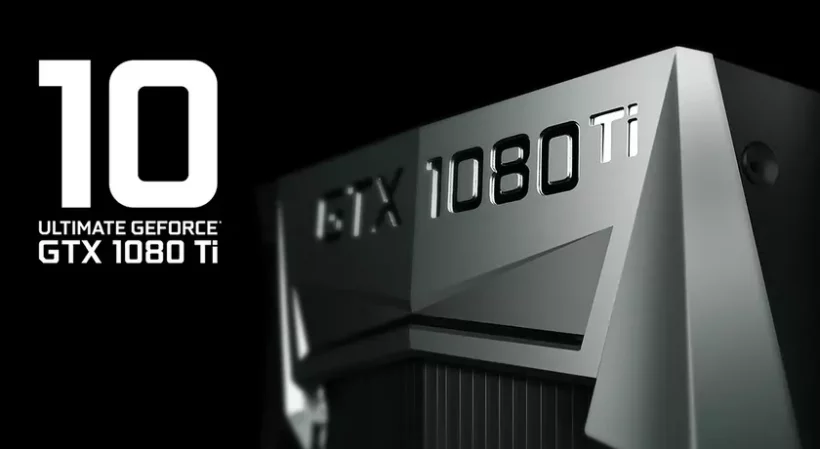
Ten years ago, Nvidia introduced the Pascal architecture, which continues to be used by both gamers and developers. Despite its age, graphics cards based on Pascal remain in demand today.
From server accelerators to consumer GPUs
The Nvidia Pascal architecture debuted on April 5, 2016, with the professional GPU GP100, which formed the basis of the Tesla P100 accelerator. At the time, GP100 impressed with its 16-nm process and over 15 billion transistors. Today, even budget graphics cards show comparable numbers, reflecting the rapid pace of technological progress.
Entering the consumer market
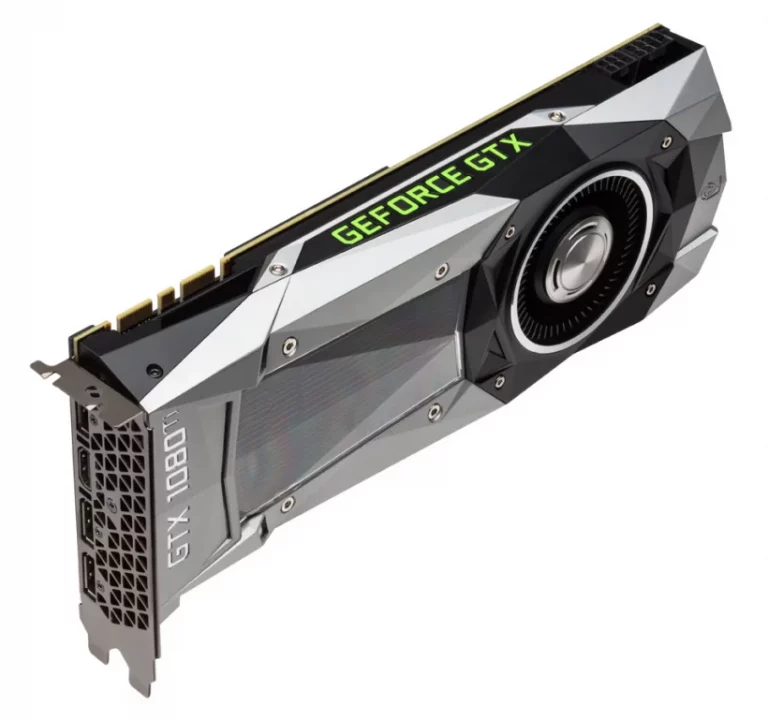
The architecture became available to mainstream users with the release of the GeForce GTX 1080 in May 2016. The card significantly outperformed its predecessor, the GTX 980 Ti, in both raw speed and energy efficiency. Support for GDDR5X memory and higher clock speeds allowed gamers to comfortably play at 1440p and even 4K resolutions without needing multi-card setups.
The legendary “sixty”
A standout model was the GeForce GTX 1060. Originally designed for Full HD gaming, it became one of Nvidia’s longest-lived graphics cards. According to Steam statistics, it is still used by more players than some newer and more powerful cards, making Pascal a reference point for minimum game requirements even today.
The legacy of the architecture
Pascal represents an era when performance gains were achieved through hardware improvements rather than marketing tricks. Even after ten years, Pascal-based solutions continue to be relevant in both modern gaming and computing tasks.
Don't miss interesting news
Subscribe to our channels and read announcements of high-tech news, tes

Oppo A6 Pro smartphone review: ambitious

 0
0 
Creating new mid-range smartphones is no easy task. Manufacturers have to balance performance, camera capabilities, displays, and the overall cost impact of each component. How the new Oppo A6 Pro balances these factors is discussed in our review.
Oppo Reno16 Pro 5G smartphone review: well-heeled
0 
Oppo Reno16 Pro 5G looks like a balanced smartphone, in which the manufacturer tried not to make a single characteristic the defining one. It has many advantages. Let’s tell you what
Samsung Galaxy S26 FE: Everything We Know Before the Launch
Samsung is gearing up for the Galaxy S26 FE launch scheduled for this week. Anatel certification confirms the smartphone retains its predecessor’s battery capacity while adding support for up to 45W fast charging.
LinkedIn Users File Million Complaints a Month Against AI Slop

Users are actively utilizing a new LinkedIn tool to combat low-quality posts generated by artificial intelligence.