

Foundation Deploys Phantom MK-1 Humanoid Robots to Ukraine: A New Frontier in Defense
14.03.26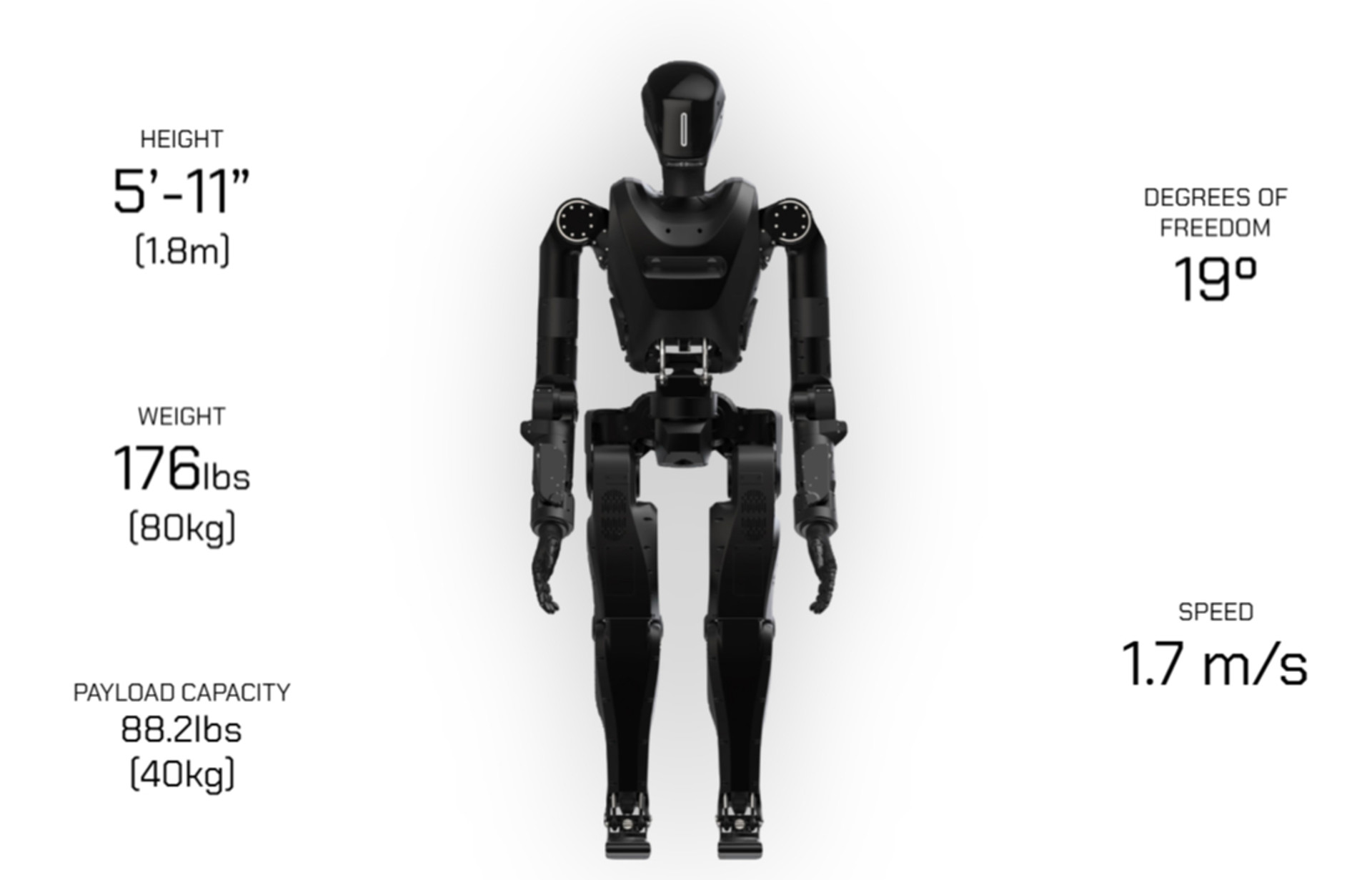
The American company Foundation delivered two Phantom MK-1 humanoid robot soldiers to Ukraine in February. This was reported by Time magazine, noting that these systems are initially intended to support reconnaissance operations on the front line.
The Phantom MK-1 is a humanoid robot specifically engineered for defense tasks. It is capable of utilizing various types of small arms, ranging from pistols and shotguns to M-16 rifles.
Capabilities and Strategic Deployment of Phantom MK-1
Mike LeBlanc, co-founder of Foundation and a U.S. Marine veteran, explains that the project’s goal is to create robots capable of performing combat functions instead of humans. He stated that there is a moral imperative to send robots to war instead of soldiers. The developers aim to ensure the robot can use any type of weapon a human can.
According to Time, Foundation already holds research contracts worth approximately $24 million with the U.S. Army, Navy, and Air Force. These robots are also planned for testing during U.S. Marine Corps exercises, where they will be trained to place explosives on doors to help military personnel enter facilities more safely.
Humanoid soldiers are seen as a natural extension of autonomous systems like drones. They can be used for resupplying and reconnaissance, particularly in areas inaccessible to UAVs, such as low bunkers or shelters. This provides a more resilient alternative to risking infantry lives while ensuring greater precision.
Technical Challenges and Ethical Implications
Despite the technological advancement, there are concerns that humanoid soldiers could lower political and ethical barriers to starting conflicts and further dehumanize warfare. However, Foundation asserts it will follow Pentagon protocols, which allow automated systems to engage in combat only after confirmation from a human operator.
The technology also faces significant physical drawbacks. Humanoid robots are heavy, expensive, and require regular charging. Their reliability in mud, dust, or rain remains unproven. The movement of a humanoid is powered by about 20 motors, and a failure in even one can lead to a complete breakdown.
In a related development, the German company Cerberon Defence Systems plans to accelerate drone production using specialized robotic inspection systems. These End-of-Line-Testrobotern (final testing robots) are designed to replace human pilots in the trial flight phase after assembly.
Don't miss interesting news
Subscribe to our channels and read announcements of high-tech news, tes

Oppo A6 Pro smartphone review: ambitious

 0
0 
Creating new mid-range smartphones is no easy task. Manufacturers have to balance performance, camera capabilities, displays, and the overall cost impact of each component. How the new Oppo A6 Pro balances these factors is discussed in our review.
Sony WF-1000XM6 Bluetooth headphones review: full power
0 
The new Sony WF-1000XM6 headphones have slightly changed their shape compared to their predecessor, received a new processor, an improved noise cancellation system, more microphones, and generally made a noticeable step forward technically.
Parents’ addiction to smartphones is destroying their bond with their children.

A new scientific study confirms that parents’ attachment to smartphones causes children to feel a lack of attention.
The world’s first agent AI smartphone: Nubia changes the rules of the game

Nubia is preparing to introduce the industry’s first smartphone based on AI agents.