

Electric revolution in sea cruises: Meyer Werft Vision – concept of a fuel-free cruise liner for 1,856 passengers
15.04.26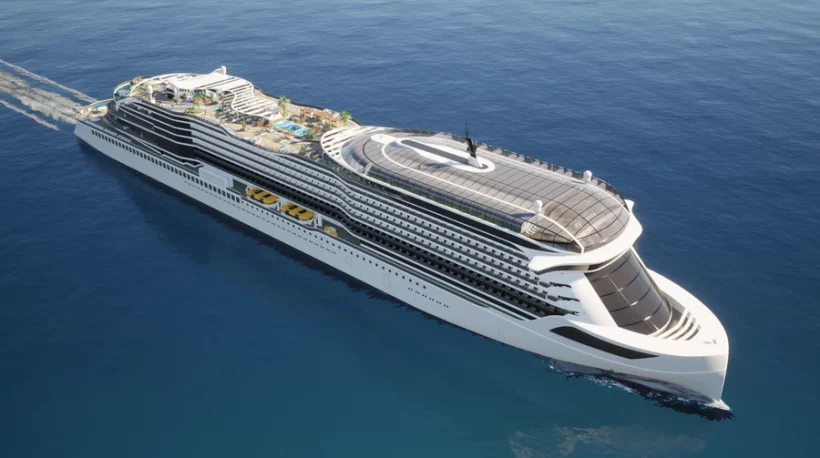
German shipbuilder Meyer Werft has unveiled Vision, a conceptual design for a large cruise ship intended to operate entirely on battery power, eliminating the need for traditional marine fuel. The project is positioned as a major step toward large-scale electrification of passenger shipping.
The concept was presented at the Seatrade Cruise Global exhibition in Miami. According to the specifications, the vessel will be about 275 meters long, with a gross tonnage of around 82,000 and capacity for up to 1,856 passengers.
Scaling up electric cruising
What sets Vision apart is its scale. Unlike most green maritime projects focused on small or experimental vessels, this concept targets a full-sized ocean cruise ship.
For comparison, Norway’s Hurtigruten Sea Zero is designed for roughly 500 passengers, making Vision significantly more ambitious in scope.
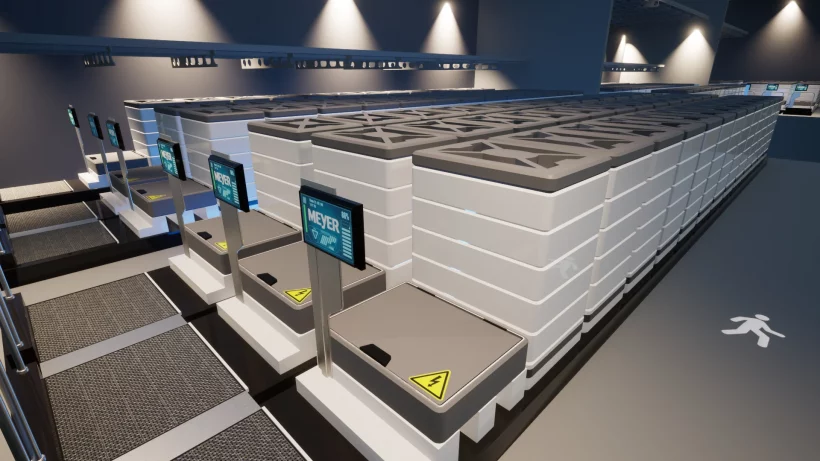
The ship’s energy system will be developed by Corvus Energy, a specialist in maritime battery solutions with extensive experience in hybrid and fully electric vessels.
Infrastructure and operational flexibility
While exact battery specifications and range remain undisclosed, Vision is designed for routes with established port infrastructure capable of supporting regular charging operations.
Industry forecasts suggest that by 2030, around 100 European ports could be equipped to service electric cruise ships, enabling practical deployment of such vessels.
Meyer Werft is also considering a hybrid variant of Vision, equipped with auxiliary generators for longer voyages, including transatlantic routes.
Environmental pressure driving change
The cruise industry is facing increasing scrutiny over CO₂ emissions. Most existing large cruise ships still rely on heavy fuel oil or liquefied natural gas, resulting in significant environmental impact both at sea and in ports.
A fully electric propulsion system would eliminate direct operational emissions. According to the developers, using proven technologies could reduce emissions by up to 95%.
A potential industry turning point
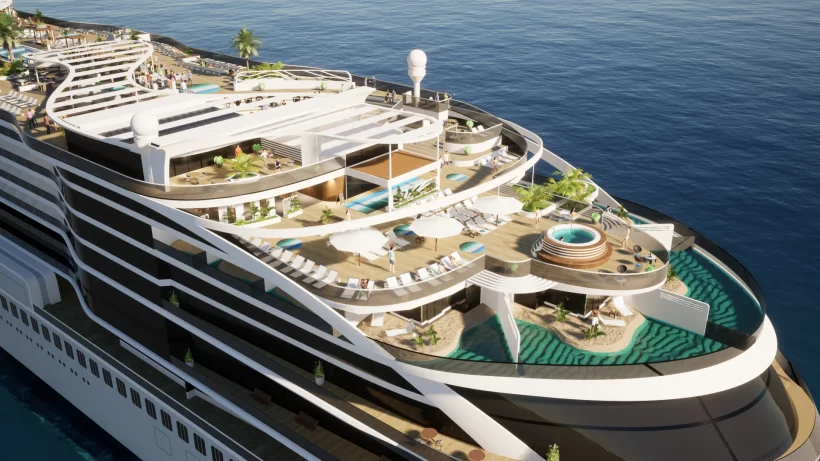
If the project moves forward commercially, the first Vision-class vessel could enter service by 2031. With Meyer Werft’s long-standing expertise in building large cruise ships, the concept is viewed as a realistic blueprint for future industry standards.
If realized, Vision could accelerate port infrastructure development and become a catalyst for a broader electric revolution in the large cruise ship segment.
Don't miss interesting news
Subscribe to our channels and read announcements of high-tech news, tes

Oppo A6 Pro smartphone review: ambitious

 0
0 
Creating new mid-range smartphones is no easy task. Manufacturers have to balance performance, camera capabilities, displays, and the overall cost impact of each component. How the new Oppo A6 Pro balances these factors is discussed in our review.
In-Ear headphones Active Noise Cancellation: how Oppo eliminate noise
0 
In-ear headphones remain one of the most popular form factors due to their lightweight design. However, this design is considered one of the most challenging to implement active noise cancellation (ANC). We’ll explain how Oppo solved this problem.
Realme 16x Debuts with 7,000mAh Battery and 144Hz Display

Realme has unveiled the 16x, a new smartphone featuring a massive 7,000mAh battery and a 144Hz display. Get all the details on specs, pricing, and key features.
SwitchBot Debuts kata AI Assistant for Smart Home Control

SwitchBot introduces kata AI Assistant, an AI-powered smart home helper built directly into the company’s mobile app.