

DJI Phantom drones will no longer receive updates and technical support
04.05.25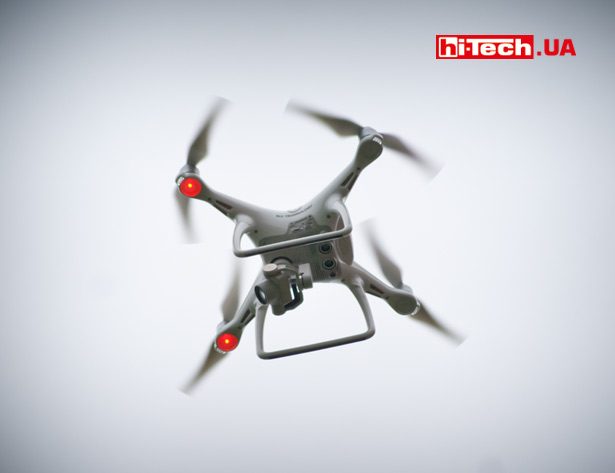
One of the most famous drone series – DJI Phantom – will soon completely disappear from the company’s product ecosystem. According to the specialized portal DroneDJ, the Chinese manufacturer announced the end of technical support for the line from June 1, 2025.
These are the Phantom 4 Pro and Phantom 4 Advanced models, released in 2016 and 2017. Despite the cessation of production in May 2018, DJI continued to provide service for more than seven years. Now this cycle is complete.
DJI Phantom appeared in 2013 and became one of the first serial drones ready to fly right out of the box. With its help, aerial photography became available not only to professionals, but also to enthusiasts. The devices of this line were actively used in film, television and industrial photography.
According to DJI representatives, the decision is dictated by a strategic transition to new platforms. The focus is now on the compact and technologically advanced Mavic, Mini, Air and Inspire lines, which offer better optics, improved flight algorithms and expanded integration with mobile devices.
DJI is expected to introduce a new generation in the near future.
- Mavic 4 Pro with a three-camera system, the main of which will receive a 100 MP sensor,
- Mini 5 weighing less than 250 grams, with an improved LiDAR module and a vertical shooting format.

The Chinese company DJI, the world’s largest drone manufacturer, has disabled the geofencing (GEO) system in its DJI Fly and DJI Pilot applications from January 13, 2025, replacing it with a warning system for flights in controlled zones that meet FAA (Federal Aviation Administration) standards. Now the operator will be provided with information about entering the airspace of Enhanced Warning Zones, but the decision to continue the flight remains at his discretion.
Changes in the rules of drone flights
Previously, the GEO system automatically blocked the ability to control drones in the so-called Restricted Zones (zones where flights are prohibited). With the new update, the user only receives a warning and a recommendation to comply with FAA rules.
DJI explains the abandonment of the GEO system by the fact that since its introduction in 2013, global legislation in the field of drone use has evolved significantly. Geofencing, which was created as a voluntary security measure to prevent flights into prohibited areas, is now considered redundant due to the presence of official regulations in most countries.
Experts and analysts, including Hunterbrook, fear that lifting restrictions on flights over strategically important objects (such as airports, military bases or prisons) will lead to an increase in the cost of developing and deploying anti-drone technologies.
The changes have been particularly controversial after an incident in California, where a DJI drone collided with a firefighting aircraft, resulting in damage.
Global availability of the update
The GEO update has already been in effect in a number of EU countries, including Germany, France, Belgium, Finland and Luxembourg, since January 2024. The remaining EU countries under EASA’s jurisdiction are expected to receive the update in January 2025.
DJI controls about 90% of the global consumer drone market, but its reputation has been repeatedly criticized. DJI drones are used for both legal and illegal purposes, including espionage, smuggling and military operations.
DJI has recently been accused of increasing supplies to Russia and restricting sales in Ukraine, which has increased pressure on the company from the United States, where it faces a complete ban on its activities.
DJI emphasizes the importance of complying with local laws and regulations when using drones. To fly in Enhanced Warning Zones, operators must obtain prior permission from the FAA and familiarize themselves with the rules on the FAA No Drone Zone resource.
Don't miss interesting news
Subscribe to our channels and read announcements of high-tech news, tes

Oppo A6 Pro smartphone review: ambitious

 0
0 
Creating new mid-range smartphones is no easy task. Manufacturers have to balance performance, camera capabilities, displays, and the overall cost impact of each component. How the new Oppo A6 Pro balances these factors is discussed in our review.
Oppo Reno16 Pro 5G smartphone review: well-heeled
0 
Oppo Reno16 Pro 5G looks like a balanced smartphone, in which the manufacturer tried not to make a single characteristic the defining one. It has many advantages. Let’s tell you what
Samsung Galaxy S26 FE Price Hike Leaves Fans Disappointed

Samsung has introduced the Galaxy S26 FE, confirming a price increase compared to its predecessor. We break down the launch prices and configurations of the new model.
Samsung Launches One UI 9 Watch Beta for Galaxy Watch8 Series

Samsung has officially opened the One UI 9 Watch beta program for Galaxy Watch8 and Galaxy Watch8 Classic users. Learn which devices are supported and how to participate in testing the new features.