

Xiaomi Mesh System BE3600 Pro is an affordable entry to the era of Wi-Fi 7
01.05.26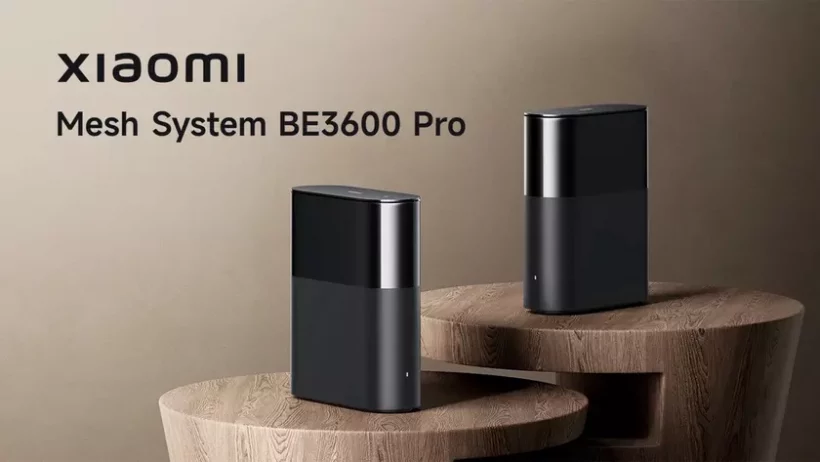
Xiaomi continues to push new communication standards into the mass segment and does it as pragmatically as possible. The Xiaomi Mesh System BE3600 Pro has officially appeared on the European markets, offering users a relatively inexpensive way to switch to Wi-Fi 7. This is not a niche device, but an attempt to make the next stage of the development of wireless networks an everyday norm.
Performance and Wi-Fi 7 standard
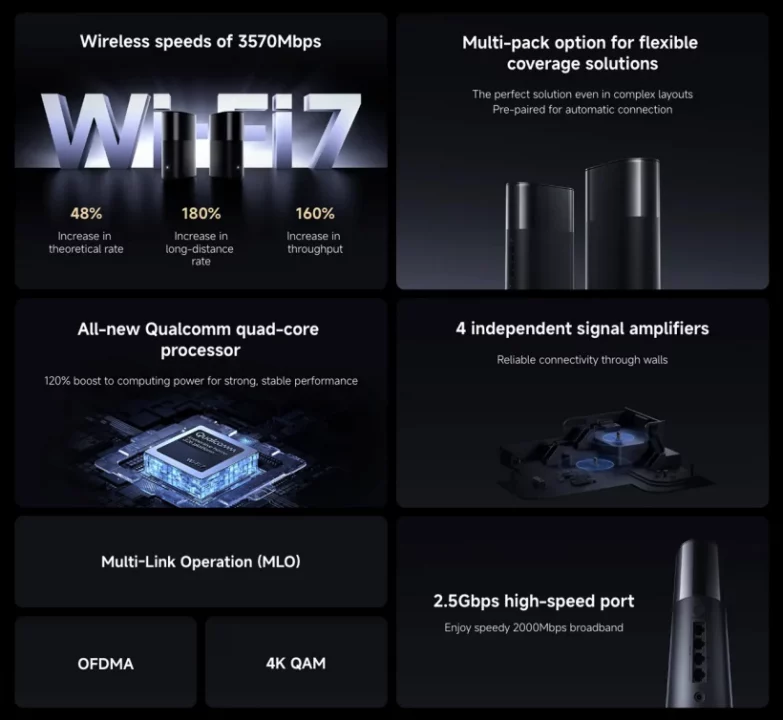
At the heart of the device is a quad-core processor designed for stable operation under high load, be it streaming video, online games or dozens of connected devices.
According to the speed characteristics, the system demonstrates up to 688 Mbit/s in the 2.4 GHz range and up to 2882 Mbit/s at the 5 GHz frequency. The total bandwidth reaches about 3600 Mbit/s, which is reflected in the name of the model.
The main technological advantage is support for the Wi-Fi 7 standard, including the MLO (Multi-Link Operation) function. It allows devices to use multiple bands at the same time, reducing delays and increasing connection stability. This is especially important in conditions of congested networks and a large number of active clients.
In addition, the system is equipped with four independent signal amplifiers, which improve coverage and help cope with obstacles such as thick walls.
Interfaces and ecosystem
In terms of connectivity, the Xiaomi Mesh System BE3600 Pro offers a balanced set of ports:
- one Ethernet port with a bandwidth of 2.5 Gbit/s
- three gigabit LAN ports for wired devices
This makes the system relevant even for users with high-speed tariffs.
The amount of RAM is 512 MB, which is enough for the simultaneous operation of a large number of devices – from smartphones to elements of a smart home.
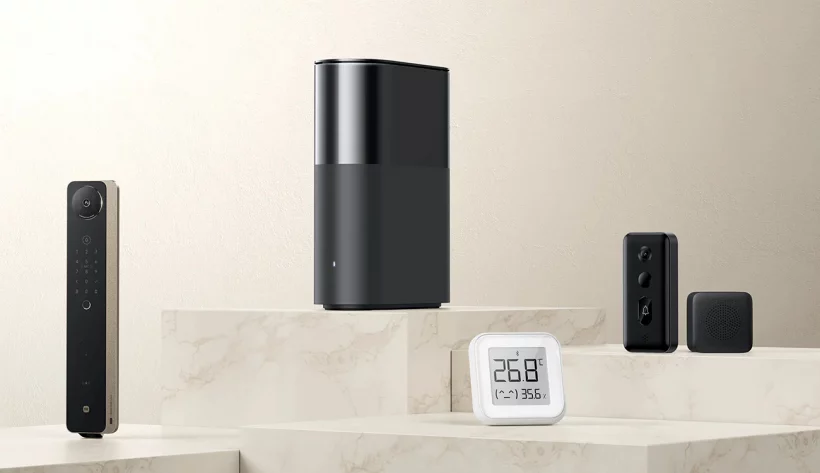
Settings and management are implemented through the Xiaomi Home application. The user can quickly combine several routers into a single network with seamless coverage without complex manual configuration.
Cost
The device is already available on the European market: in Germany, the cost of one module is about 100 euros. For larger spaces, a set of three devices is offered for 250 euros, and an intermediate version of two modules is expected.
Don't miss interesting news
Subscribe to our channels and read announcements of high-tech news, tes

Oppo A6 Pro smartphone review: ambitious

 0
0 
Creating new mid-range smartphones is no easy task. Manufacturers have to balance performance, camera capabilities, displays, and the overall cost impact of each component. How the new Oppo A6 Pro balances these factors is discussed in our review.
Oppo Reno16 Pro 5G smartphone review: well-heeled
0 
Oppo Reno16 Pro 5G looks like a balanced smartphone, in which the manufacturer tried not to make a single characteristic the defining one. It has many advantages. Let’s tell you what
Made in Germany: Does the Gigaset GS6 Pro Live Up to the Hype?

The Gigaset GS6 Pro bets on German engineering and repairability. We explore what this status really means and whether it holds up against the competition.
Hugging Face Reveals Microduck: An AI-Powered Robot Duck

Hugging Face has introduced Microduck, a compact robot designed for AI-driven skill learning.