

Torus Nova Spin: how 800V flywheels are changing data center energy
08.07.26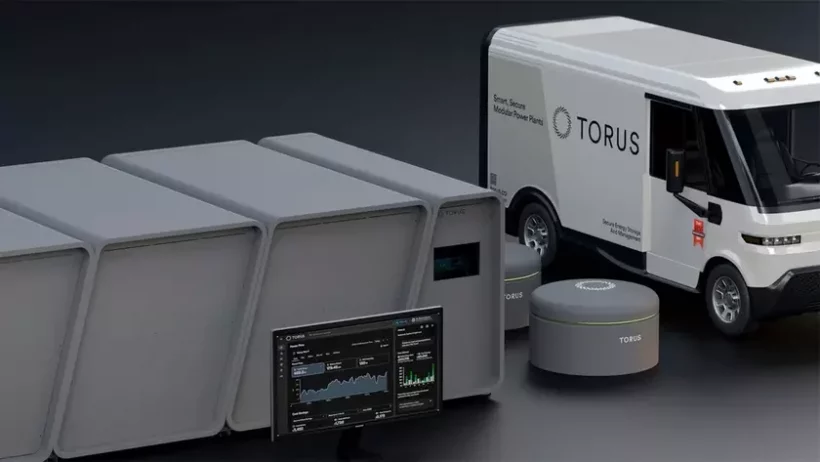
The energy dependence of modern data centers, caused by the increase in the power of graphics processors, requires new approaches to energy storage. The American startup Torus presented Nova Spin – a modular storage system based on flywheels, which offers an effective alternative to classic lithium-ion batteries.
Mechanics instead of chemistry: the principle of operation
The system is based on the use of a heavy steel rotor rotating inside a hermetic vacuum chamber on magnetic bearings. During periods of excess electricity in the network, acceleration of the “spindle” occurs, which converts the current into kinetic energy. In the event of power surges or shortages, the flywheel slows down, releasing reserve via an integrated generator within a fraction of a second.
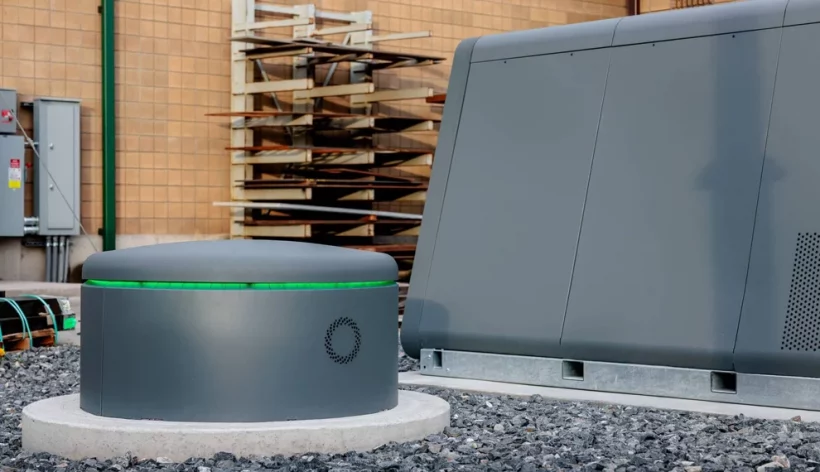
Unlike batteries, this technology is resistant to deep discharges and capacity degradation. According to the developer, the life cycle of the system reaches 25 years without a decrease in productivity, which is 2.5–3.5 times longer than that of industrial lithium arrays, which need to be replaced after 7–10 years.
Productivity at the level of 800 V
The choice of the operating voltage of 800 V DC is dictated by the requirements of modern risers for AI servers. This configuration eliminates unnecessary energy conversion steps, reducing efficiency losses. Nova Spin is capable of delivering 20 times more instantaneous power than chemical counterparts of a similar size.
Key features and applications
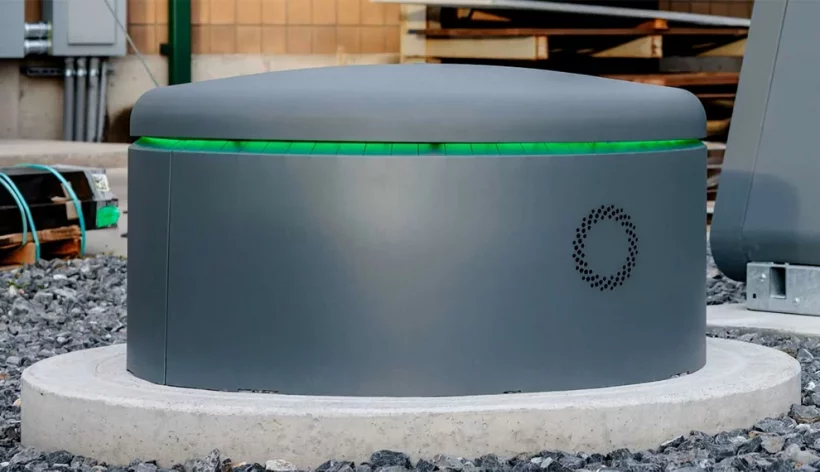
A complete system charge and discharge cycle takes only 12 minutes, making Nova Spin an indispensable buffer for short-term network fluctuations. The main advantages of the solution:
- Durability: up to 25 years of operation without degradation of characteristics.
- Environmentally friendly: complete absence of toxic electrolytes and rare earth metals.
- Stabilization: smoothing consumption peaks for data centers and objects with unstable generation (sun, wind).
While Torus’ focus is on sustainably powering infrastructure for AI computing, the technology has potential applications for mainline power grids, helping to balance the nation’s power grid.
Don't miss interesting news
Subscribe to our channels and read announcements of high-tech news, tes

Oppo A6 Pro smartphone review: ambitious

 0
0 
Creating new mid-range smartphones is no easy task. Manufacturers have to balance performance, camera capabilities, displays, and the overall cost impact of each component. How the new Oppo A6 Pro balances these factors is discussed in our review.
In-Ear headphones Active Noise Cancellation: how Oppo eliminate noise
0 
In-ear headphones remain one of the most popular form factors due to their lightweight design. However, this design is considered one of the most challenging to implement active noise cancellation (ANC). We’ll explain how Oppo solved this problem.
RayNeo Adds AI Translation and Virtual Displays to New Eyewear

RayNeo has unveiled its latest tech: the iO smart glasses with a monochrome display for daily wear and the GT series AR glasses for virtual displays.
The Steam Economy: 1% of Games Grab 85% of Revenue

A large-scale study of Steam has exposed the brutal reality of the gaming industry: the vast majority of projects fail to cover even basic costs. We break down how this ‘winner-take-all’ economy works and why success is so elusive for developers.