

PCB сrisis: war in Iran raises prices for electronics and AI components
29.04.26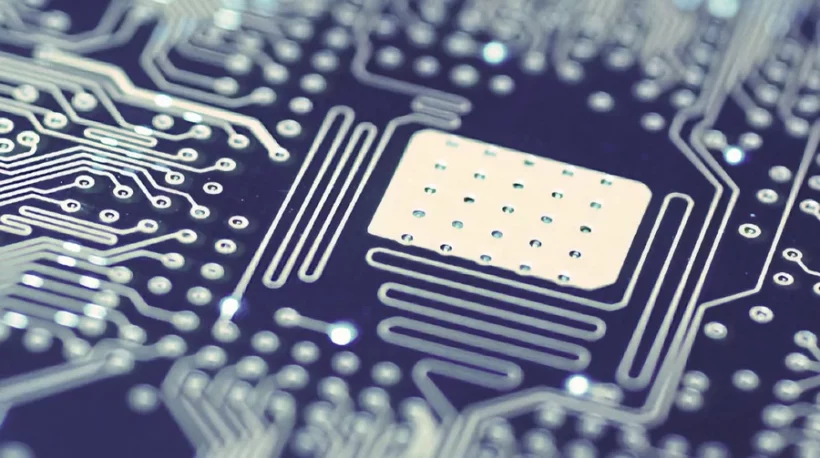
Military conflict in the Middle East has caused severe disruption to global supply chains for critical materials needed to manufacture printed circuit boards (PCBs). According to Reuters, this crisis affects the fundamental basis of modern electronics — from consumer gadgets like smartphones to the most complex server systems for neural networks.
Deficit of components and the petrochemical crisis: an overview of the situation
The petrochemical industry was hit the hardest after attacks on the region’s infrastructure. As a result, the production of specialized resins and chemical compounds, without which the production of printed circuit boards is technically impossible, was disrupted. The market immediately reacted to the disruptions with supply shortages and supply instability.
Cost Impact: prices increased by 40%
The current situation has already affected the wallets of producers and end consumers. In general, the cost of certain categories of printed circuit boards jumped by 40% in one month. The situation is complicated by the global shortage of such materials as:
- Copper (used in conductive tracks);
- Fiberglass;
- Epoxy resin (main binding element).
Dates and perspectives: when to expect stabilization
It is premature to talk about specific dates for the restoration of chains. Pressure on the industry is expected to continue until at least 2026 and beyond if the conflict is not contained soon. Analysts predict that if the situation drags on, manufacturers will be forced to post increased costs on the price tags of new products for the entire next financial cycle.
Artificial Intelligence under the gun
The AI market turned out to be the most vulnerable sector. Companies are actively building data centers, the demand for server equipment significantly exceeds the supply. Potential threats apply even to such megaprojects as the OpenAI Stargate data center, the value of which is estimated at 30 billion dollars (approximately UAH 1,245,000,000,000 at the current exchange rate). The conflict has already damaged Amazon’s infrastructure in the UAE, alerting the market to the reality of geopolitical risks.
Features of diversification
Technological giants are trying to diversify sources of raw materials, but it is impossible to replace Iranian petrochemical production quickly due to the narrow geographical concentration of such capacities. Buyers and investors should expect gradual price increases for server hardware and premium consumer electronics. Therefore, if the purchase of important equipment was planned, it should not be postponed, since the revision of long-term contracts will inevitably lead to a new leak of inflation in the IT sector.
Don't miss interesting news
Subscribe to our channels and read announcements of high-tech news, tes

Oppo A6 Pro smartphone review: ambitious

 0
0 
Creating new mid-range smartphones is no easy task. Manufacturers have to balance performance, camera capabilities, displays, and the overall cost impact of each component. How the new Oppo A6 Pro balances these factors is discussed in our review.
Oppo Reno16 Pro 5G smartphone review: well-heeled
0 
Oppo Reno16 Pro 5G looks like a balanced smartphone, in which the manufacturer tried not to make a single characteristic the defining one. It has many advantages. Let’s tell you what
Made in Germany: Does the Gigaset GS6 Pro Live Up to the Hype?

The Gigaset GS6 Pro bets on German engineering and repairability. We explore what this status really means and whether it holds up against the competition.
Hugging Face Reveals Microduck: An AI-Powered Robot Duck

Hugging Face has introduced Microduck, a compact robot designed for AI-driven skill learning.