

New Oscar rules: Artificial intelligence will not receive a statuette
05.05.26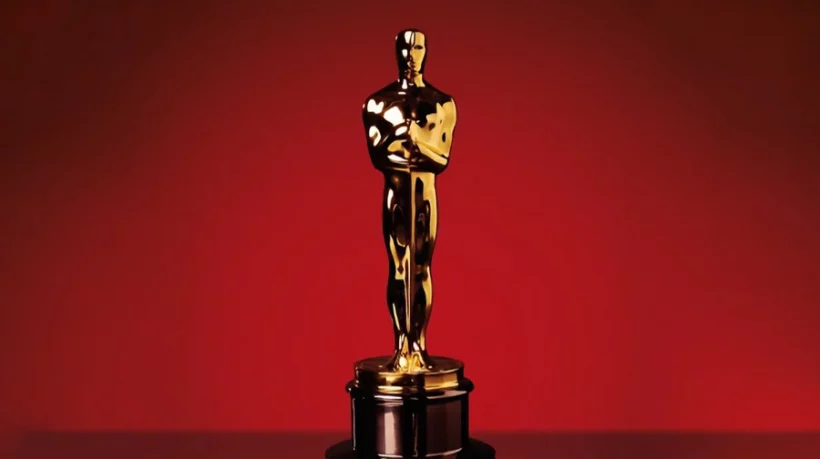
The Academy of Motion Picture Arts and Sciences has officially presented new rules for the Academy Awards, which introduce strict restrictions on the use of generative artificial intelligence in film production. These changes are aimed at protecting traditional filmmaking and ensuring that only real people receive awards. According to a TechCrunch report, the rules make a clear distinction between human creativity and algorithm-generated content.
AI and Academia
The film industry faced a challenge from video and text generation technologies, which forced the Academy to review the criteria for selecting nominees. The main reinforcement of the new edits is that art is a human process. The Academy reserves the right to demand from film producers detailed information about the use of neural networks in the process of creating a picture in order to confirm the true “human authorship” of the presented works.
Main characteristics and description of requirements
The new Oscar rules contain specific requirements for two key categories: actors and screenwriters. Now only acting works performed by living people are allowed to participate. All performers must be officially listed in the credits and provide their confirmed consent to participate in filming. As for the scripts, they should be written entirely by humans without the defining role of AI algorithms. These measures are designed to prevent the nomination of digital avatars for the main awards of the film world.
How the AI clone influenced the Academy’s decisions
Recent experiments became the reason for concern of the Academy. A clear example of the use of technology is the film “As Deep as the Grave”, where one of the leading roles is performed by an AI clone of the famous actor Val Kilmer, who, according to the source, died in April 2025. The Academy emphasizes that such digital copies will now not be eligible for individual awards in the Best Actor or Actress category.
Effect for the film industry
The current rules are radically different from previous editions, where the use of technology was not so strictly regulated. The risks associated with the uncontrolled introduction of AI have become a key reason for strikes by actors and screenwriters in Hollywood as early as 2023. The new edits are a direct response to the demands of the professional guilds to preserve for people the right to be the main creators in the world of cinema.
Modern models of video generation have already faced criticism from leading producers and directors, who fear the degradation of content quality and the loss of jobs for real professionals
Don't miss interesting news
Subscribe to our channels and read announcements of high-tech news, tes

Oppo A6 Pro smartphone review: ambitious

 0
0 
Creating new mid-range smartphones is no easy task. Manufacturers have to balance performance, camera capabilities, displays, and the overall cost impact of each component. How the new Oppo A6 Pro balances these factors is discussed in our review.
Oppo Reno16 Pro 5G smartphone review: well-heeled
0 
Oppo Reno16 Pro 5G looks like a balanced smartphone, in which the manufacturer tried not to make a single characteristic the defining one. It has many advantages. Let’s tell you what
Samsung Galaxy S26 FE: Everything We Know Before the Launch
Samsung is gearing up for the Galaxy S26 FE launch scheduled for this week. Anatel certification confirms the smartphone retains its predecessor’s battery capacity while adding support for up to 45W fast charging.
LinkedIn Users File Million Complaints a Month Against AI Slop

Users are actively utilizing a new LinkedIn tool to combat low-quality posts generated by artificial intelligence.