

Microsoft Set to Bring Full Xbox Backwards Compatibility to PC and Project Helix
05.08.26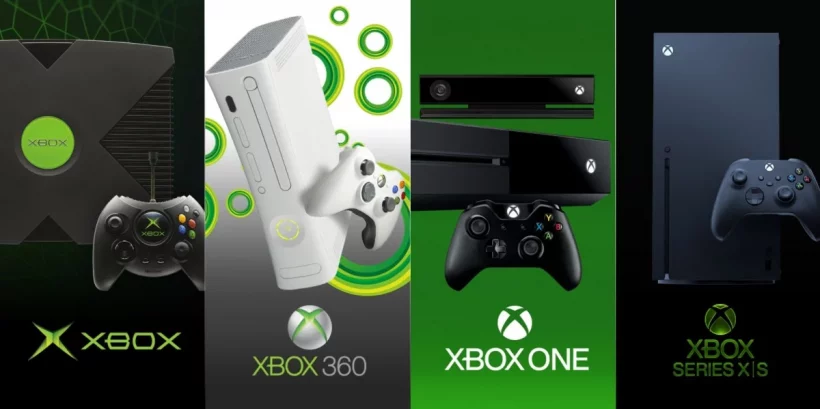
Emulation as a Survival Strategy
The Xbox division is facing challenging times: the latest quarterly report shows a 13% decline in hardware sales, while revenue from content and services dropped 10% year-over-year. Even recent subscription price hikes have failed to stabilize the situation. In this tough market, the Redmond-based corporation appears to have found a way to revitalize its brand by leveraging its vast back catalog of classic hits.
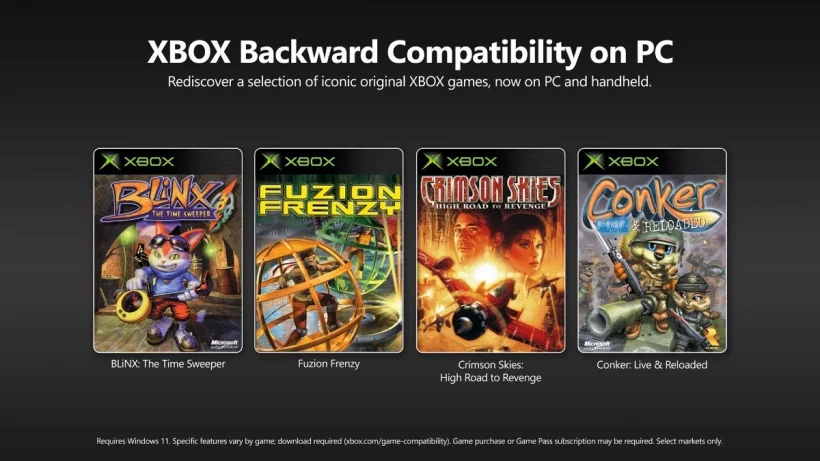
According to leaked internal communications, Microsoft is actively developing official emulators. Their goal is to ensure cross-platform compatibility spanning all console generations, from the original 2001 system to the Xbox 360, Xbox One, and current Series models.
Project Helix and the Limits of Compatibility
The technology is being designed to run not just on PCs and portable devices—referred to internally as “Xbox PCs”—but also on the next-generation console codenamed “Project Helix.” Microsoft’s strategy involves handling the heavy lifting of engineering, certification, and technical testing, while leaving publishers in full control of pricing, game rights, and branding.
However, there are significant legal and ethical nuances. Access to the emulation library will depend on publisher participation: they will have to decide individually whether to add their legacy titles to the Helix catalog. “Publishers will retain control over rights and pricing, while Microsoft will take on the technical complexity of the emulation process,” the leak emphasizes. For users, the status of physical disc copies remains unclear. Given the industry trend of abandoning optical drives (with Sony planning to phase out physical media by 2028), the fate of physical licenses remains at the discretion of rights holders, who may choose to resell existing games.
Deployment Schedule
Initial plans to launch early access for the original Xbox emulator last month did not materialize. Current expectations point to a full rollout in October. Development of the Xbox 360 library will be the next priority, with a projected release in 2027 or 2028. Optimistic forecasts suggest the Helix console won’t launch before 2027 due to memory supply shortages, making the development roadmap quite extended.
Verdict
For the average Xbox owner or PC gamer, this initiative offers the opportunity to legally play beloved classics without the need for aging hardware. However, the final library will depend on publisher willingness to join the program, so don’t expect universal access to every past release just yet.
Don't miss interesting news
Subscribe to our channels and read announcements of high-tech news, tes

Oppo A6 Pro smartphone review: ambitious

 0
0 
Creating new mid-range smartphones is no easy task. Manufacturers have to balance performance, camera capabilities, displays, and the overall cost impact of each component. How the new Oppo A6 Pro balances these factors is discussed in our review.
Oppo Reno16 Pro 5G smartphone review: well-heeled
0 
Oppo Reno16 Pro 5G looks like a balanced smartphone, in which the manufacturer tried not to make a single characteristic the defining one. It has many advantages. Let’s tell you what
iPhone 18 Price Hike Surfaces: $100 Increase Expected

It has emerged that the iPhone 18 lineup will likely see a price hike. Apple is forced to increase costs by $100 due to rising prices for RAM and NAND memory.
Apple Debuts M6 and M5 Ultra Chips for Pro Workflows
Apple has introduced the revolutionary M6 and M5 Ultra processors. The M6 utilizes a 2nm architecture with advanced AI capabilities, while the M5 Ultra stands as the company’s most powerful solution for 8K video production.