

Indigenous communities push back on data centers as Seminole Nation enacts first full ban
31.03.26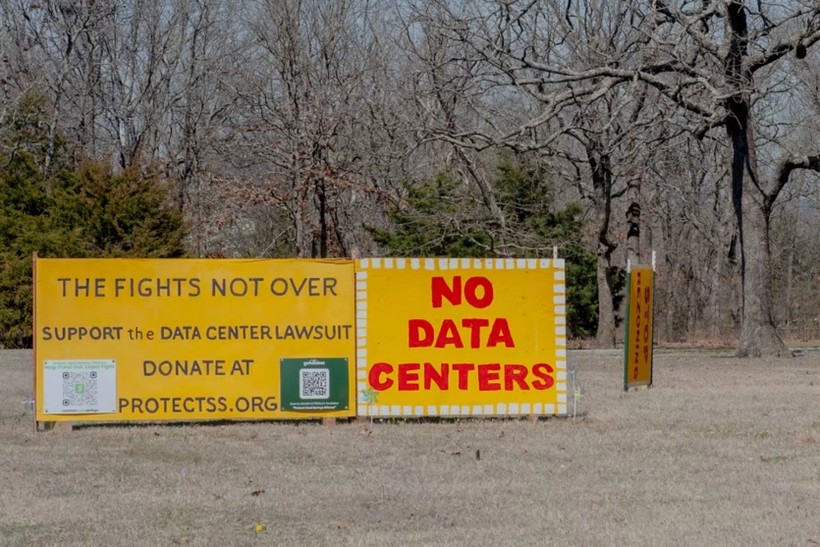
After a tech startup approached the Seminole Nation with a proposal to build a data center on its land, tribal authorities made a decisive move to prohibit such projects entirely.
A unanimous and firm decision
The proposal from a technology startup triggered the response. In reaction, the Tribal Council voted unanimously in favor of a moratorium — all 24 votes supported the ban, with no opposition.
The resolution effectively halts any initiatives related to data center construction, regardless of scale. It also extends to preliminary talks and negotiations, preventing even early-stage discussions.
Why the tribe opposed the project
Environmental concerns were at the core of the decision. Community members highlighted the massive consumption of water and energy required to operate data centers. In their view, such developments pose a direct threat to ecosystems and the resources local communities depend on.
Tribal representatives emphasized that they are unwilling to engage in economic models that could deplete natural resources and undermine long-term sustainability.
Broader support and a growing trend
The stance taken by the Seminole Nation reflects a wider pattern. Similar concerns are being raised by both Indigenous communities and rural residents across the United States. Surveys indicate that a significant share of Americans view data centers as more harmful than beneficial to the environment.
Environmental organizations have also joined the effort, working to raise awareness about the impact of such infrastructure and to coordinate action among different communities.
The scale of the issue
These concerns are backed by data. Studies suggest that data centers in Texas alone could consume tens of billions of gallons of water annually, with projections pointing to rapid growth in the coming years. Globally, the expansion of data-driven technologies is expected to significantly increase pressure on water resources.
Rising conflicts over new developments
Opposition to data center construction is gaining momentum nationwide. Several states are already considering legislation that would impose temporary restrictions on new projects.
In some areas, tensions have escalated into legal battles, with residents challenging development plans and demanding greater transparency — particularly when projects are advanced without public consultation.
Don't miss interesting news
Subscribe to our channels and read announcements of high-tech news, tes

Oppo A6 Pro smartphone review: ambitious

 0
0 
Creating new mid-range smartphones is no easy task. Manufacturers have to balance performance, camera capabilities, displays, and the overall cost impact of each component. How the new Oppo A6 Pro balances these factors is discussed in our review.
Oppo Reno16 Pro 5G smartphone review: well-heeled
0 
Oppo Reno16 Pro 5G looks like a balanced smartphone, in which the manufacturer tried not to make a single characteristic the defining one. It has many advantages. Let’s tell you what
Framework Laptop 13 Pro Hits 27-Hour Battery Life, Outlasting MacBook Pro 14

Framework Laptop 13 Pro sets new endurance standards for compact laptops, surpassing the results of the Apple MacBook Pro 14 (2025) in battery tests. Learn about the engineering behind its 27.5-hour runtime and whether it is worth an upgrade.
GTA 6 Dominates Netflix: Game Presentation Outperforms Top Movies

The massive 27-minute GTA 6 presentation by Rockstar Games has become the most popular content on Netflix in 87 countries.