

AI prevented admission to intensive care: Brazil investigates tragic incident in hospital
18.06.26 ”
”
The use of advanced artificial intelligence algorithms in medicine is gaining momentum, but their imperfections can cost lives. Relatives of the deceased 32-year-old resident of Brazil officially accuse the medical AI system of the state administration of negligence. In their opinion, the algorithm underestimated the severity of the woman’s illness, blocking the timely allocation of a place in the intensive care unit.
A case in a Brazilian hospital
Rebecca Cardoza Tenente Molina was rushed to a hospital in San Juan Nepomusena (Minas Gerais, Brazil) on June 2 with suspected gallstone disease. Her indicators rapidly deteriorated, and the patient herself begged the staff to be transferred to the intensive care unit without success. After only five days of hard waiting, she was able to be sent to a specialized clinic in another city 300 km away, but the last time led to the woman’s death only a few hours later. The official verdict of the doctors was septic shock, and the possibility of botulism infection is also being checked.
Features of the new AI medical system
The state health care structure of the state of Minas Gerais switched to the Core-MG AI platform for operational management of hospital resources a month before the fatal incident. The Digital Center was created for intelligent monitoring, automatic prioritization of flows of seriously ill patients and transparent search for free beds in the entire region.
Dangerous nuances of the Core-MG system
The main claim of the lawyers of the deceased’s family lies in the actual elimination of medical autonomy under AI control. According to the complaints of Rebecca’s sister, Samela Cardoza Tenente Furtado, the specialists of the treating clinic have completely lost the authority to declare priorities: the final decision on the promotion of patients in the registers is now regulated only by an algorithm.
At the patient’s worst condition, which clearly requires the assignment of the highest critical 10th priority rank, the automatic allocation of Core-MG assigned her case an index of only 6.8 points. The software AI blocked any attempt to upgrade this status based on the downloadable medical tests. As a result, less vulnerable patients (with recorded AI scores of 6.9 or 8) consistently overtook Rebecca on admission lists. Molina’s relatives even had to file lawsuits against law enforcement agencies, trying to save the woman while the bill was ticking.
Position of state health regulatory authorities
The management of the Department of Health of the State of Minas Gerais completely removes responsibility from the specialized program Core-MG. The state agency assures the public that connecting the Core-MG intelligent algorithm in no way violated established medical standards of care and prioritization, and Rebecca Molina herself was instantly considered registered in a single digital node. The Department also clarified that the delays in redirecting the patient for hundreds of kilometers were caused purely by the shortage of the necessary specific resources, the technical training of which was critically selected by the system for the specific clinical picture of the patient.
Don't miss interesting news
Subscribe to our channels and read announcements of high-tech news, tes

Oppo A6 Pro smartphone review: ambitious

 0
0 
Creating new mid-range smartphones is no easy task. Manufacturers have to balance performance, camera capabilities, displays, and the overall cost impact of each component. How the new Oppo A6 Pro balances these factors is discussed in our review.
Oppo Reno16 Pro 5G smartphone review: well-heeled
0 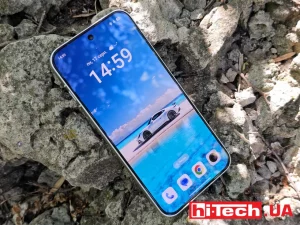
Oppo Reno16 Pro 5G looks like a balanced smartphone, in which the manufacturer tried not to make a single characteristic the defining one. It has many advantages. Let’s tell you what
Honor Play20A: An unusual budget phone with an additional screen

The Honor Play20A arrives with a unique rear secondary display for its budget class and an impressive 6,000 mAh battery.
Triple-powered performance didn’t help: Google Pixel 11 Pro Fold failed a crash test.

The Pixel 11 Pro Fold failed its extreme bend test, snapping at two points near the hinge.