

A set of DDR5 server RAM costs as much as a car
31.12.25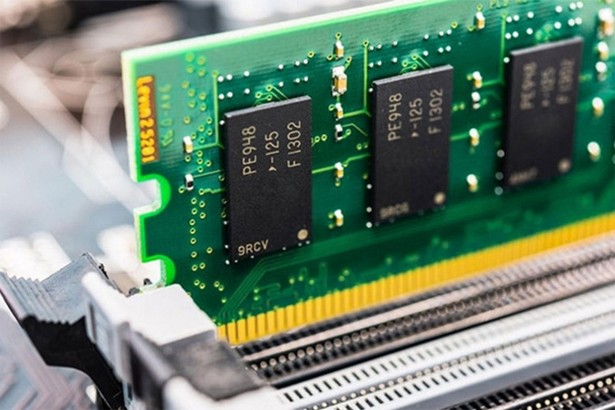
A set of server RAM with 16 DDR5 RDIMM modules is currently priced at $76,999 – an amount comparable to the cost of an expensive car or even an apartment. This is not consumer RAM, but a specialized solution for data centers and corporate systems, which even against the background of the general increase in memory prices looks very expensive.
This is a set from NEMIX, consisting of 16 ECC RDIMM modules with a capacity of 256 GB each. The total capacity is 4 TB. The specifications indicate a speed of DDR5-6400, a CAS latency of 52 and an operating voltage of 1.1 V. Such characteristics are aimed exclusively at servers and high-performance workstations, where stability and reliability are critically important.
Why are DDR5 RDIMMs so expensive?
The high price is explained by the nature of this memory. RDIMM modules use buffering, have full ECC support and additional error correction components that go beyond the basic capabilities of the DDR5 standard. As a result, the cost of one gigabyte of such memory significantly exceeds the price of regular desktop RAM.
Such kits are designed for hyperscale systems and corporate workloads, where huge and reliable pools are needed for training artificial intelligence models, virtualization or working with in-memory databases. At the same time, real buyers of such equipment usually do not pay the retail price, but enter into contracts on individual or wholesale terms.
It is significant that at the end of December, when TechPowerUp drew attention to this kit, its cost was about $70,000. As of today, the price has increased by almost $7,000 and reached $76,999, which confirms the general trend of memory prices rising faster than many expected.
This situation illustrates the vicious cycle in which hardware and software platforms mutually drive costs. Against this background, companies that are actively investing in artificial intelligence, including large players in the market, recognize that they are still several years away from sustainable profitability. At the same time, data center spending is increasingly being left out of public reports, and the future of this model largely depends on whether real demand for AI services grows in the face of a noticeable increase in skepticism.
Don't miss interesting news
Subscribe to our channels and read announcements of high-tech news, tes

Oppo A6 Pro smartphone review: ambitious

 0
0 
Creating new mid-range smartphones is no easy task. Manufacturers have to balance performance, camera capabilities, displays, and the overall cost impact of each component. How the new Oppo A6 Pro balances these factors is discussed in our review.
Oppo Reno16 Pro 5G smartphone review: well-heeled
0 
Oppo Reno16 Pro 5G looks like a balanced smartphone, in which the manufacturer tried not to make a single characteristic the defining one. It has many advantages. Let’s tell you what
Made in Germany: Does the Gigaset GS6 Pro Live Up to the Hype?

The Gigaset GS6 Pro bets on German engineering and repairability. We explore what this status really means and whether it holds up against the competition.
Hugging Face Reveals Microduck: An AI-Powered Robot Duck

Hugging Face has introduced Microduck, a compact robot designed for AI-driven skill learning.