

Xiaomi Redmi Pad 2 9.7: a budget tablet for quiet content consumption without excessive ambitions
30.04.26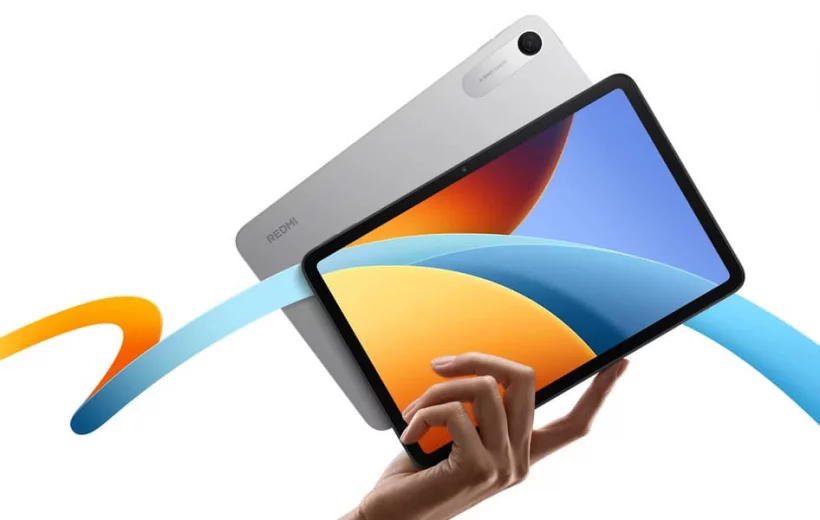
Redmi Pad 2 9.7 is an inexpensive Xiaomi tablet, created primarily for simple everyday tasks: watching videos, reading, chatting and light work in the browser. The device does not try to compete with performance models and is honestly positioned as a comfortable multimedia screen for home or study, where convenience and autonomy are more important than computing power.
Screen and multimedia capabilities
The main strength of Redmi Pad 2 9.7 is a 9.7-inch IPS display with a resolution of 2048×1280 pixels. This image density provides a clear enough picture for movies, series and reading, and the 2K format makes the content visually neat and detailed.
120 Hz refresh rate adds smoothness to the interface, especially when scrolling pages and working in the system. It’s more of a nice user experience improvement than a productivity tool, but it sets the device apart from simpler solutions in its class. Brightness up to 600 nits is enough for outdoor use, although in direct sunlight the screen is expected to lose comfort.
Productivity and software platform
Snapdragon 6s Gen 2 is responsible for the operation of the device – an energy-efficient mid-level chip designed for stable performance of basic tasks. It handles video streaming, browsing, and everyday apps with confidence, but it’s not designed for heavy gaming or intensive multitasking.
The limiting factor remains 4 GB of RAM, which in modern conditions looks like a minimal amount. Even the optimized HyperOS 3 is not able to fully compensate for the lack of resources with a large number of programs open at the same time. Built-in memory of 64 or 128 GB partially solves the storage issue, and support for microSD cards up to 2 TB gives considerable flexibility for storing media files.
Autonomy, design and positioning
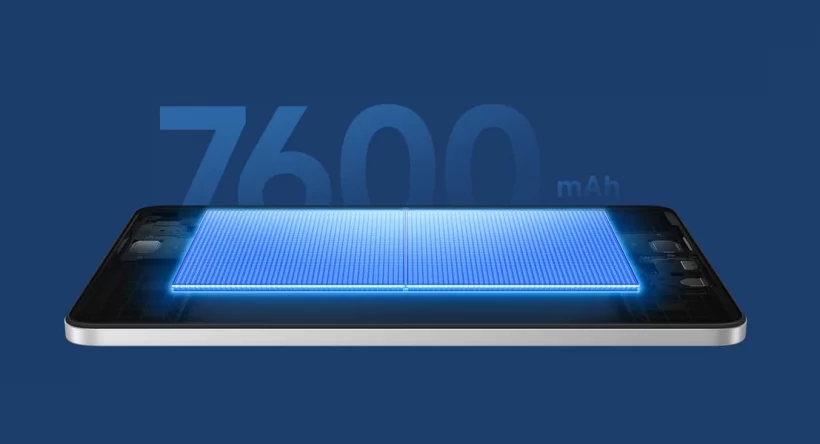
Redmi Pad 2 9.7 is equipped with a 7600 mAh battery, which is enough for about one and a half to two days of moderate use. Support for charging up to 18 W provides standard energy recovery speed, although some configurations may use a less powerful adapter, which increases charging time.
The body is made of aluminum alloy, has a thickness of 7.4 mm and weighs about 406 grams. Thanks to this, the tablet remains light and comfortable to hold in the hands for a long time, which is especially important when watching videos or reading.
Price and target audience
At the start of sales, the Redmi Pad 2 9.7 is estimated at about $180 for the Wi-Fi version and about $210 for the 4G version. This makes it one of the affordable solutions in its segment.
Basically, the device is aimed at users who need a simple and reliable tablet for basic tasks – without excessive power, but with a comfortable screen, normal autonomy and an adequate price.
Don't miss interesting news
Subscribe to our channels and read announcements of high-tech news, tes

Oppo A6 Pro smartphone review: ambitious

 0
0 
Creating new mid-range smartphones is no easy task. Manufacturers have to balance performance, camera capabilities, displays, and the overall cost impact of each component. How the new Oppo A6 Pro balances these factors is discussed in our review.
In-Ear headphones Active Noise Cancellation: how Oppo eliminate noise
0 
In-ear headphones remain one of the most popular form factors due to their lightweight design. However, this design is considered one of the most challenging to implement active noise cancellation (ANC). We’ll explain how Oppo solved this problem.
Xiaomi Preps Redmi Note 17 Pro Max With Massive 10,000mAh Battery

Xiaomi has announced the global release of the Redmi Note 17 lineup, which will feature record-breaking battery life as its key selling point.
Honor Pad 20 Pro Debuts with Snapdragon 8s Gen 4 and 165Hz Display
Honor expands its tablet lineup with the Pad 20 Pro, which has received a significant performance upgrade thanks to the Snapdragon 8s Gen 4 processor. The new model is designed for multitasking and comfortable use as a laptop replacement.