

Leica Fails: Xiaomi 17 Ultra and 17 Pro Algorithms Mistake Sun for Moon
17.08.26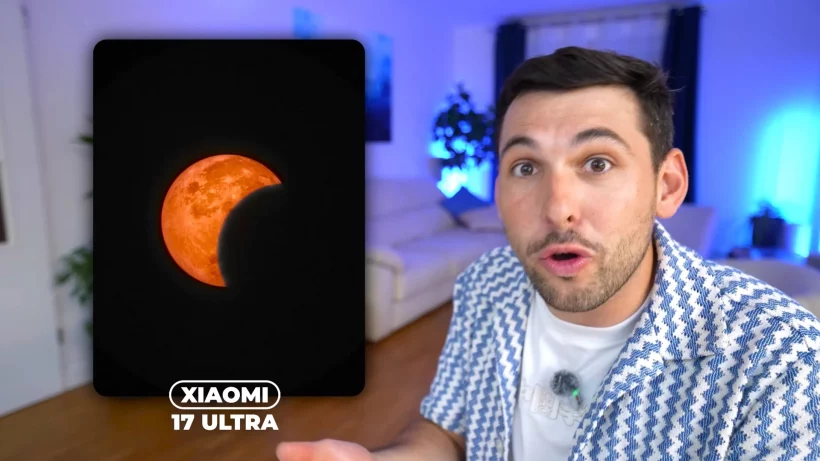
The Leica brand in the smartphone world is inextricably linked to Xiaomi cameras. Despite partnerships with other manufacturers like Insta360 or Sharp, and the release of exclusive Leica Leitzphone models by Xiaomi, the reputational damage from these algorithmic errors casts a shadow over the German optics manufacturer. The recent example of photographing the solar eclipse on August 12, 2026, clearly demonstrated how vulnerable modern image processing systems have become.
AI Glitch: Solar Eclipse Turns Into a ‘Blood Moon’
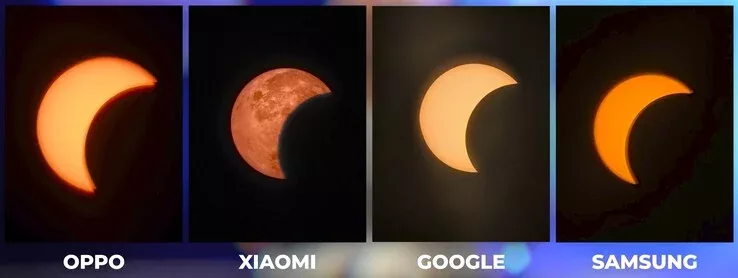
Social media users noticed strange artifacts when attempting to photograph the solar eclipse with Xiaomi 17 series smartphones. Instead of a clear image of the sun, Xiaomi’s algorithms mistook the Sun for the Moon and overlaid it with a lunar surface texture featuring characteristic craters. As a result, the photos looked like AI-generated work, far removed from reality.
Xiaomi 17 Pro and Other Affected Models
The issue was not limited to the flagship 17 Ultra. On Reddit, users actively discussed shots taken on the Xiaomi 17 Pro, which exhibited the same ‘sky replacement’ effect. A comparison conducted by the French magazine Fandroid confirmed that this issue is selective: competitor smartphones, including the Samsung Galaxy S26 Ultra, Google Pixel 10 Pro XL, and Oppo Find X9 Ultra, displayed the eclipse correctly without resorting to data manipulation.
Comparative Camera Testing During the Eclipse
| Smartphone | AI Artifacts Present |
| Xiaomi 17 Ultra | Yes |
| Samsung Galaxy S26 Ultra | No |
| Google Pixel 10 Pro XL | No |
| Oppo Find X9 Ultra | No |
Industry Precedents: Who Else Messed Up the ‘Moon Mode’
It is worth noting that scandals involving AI moon processing have occurred before. Samsung and Huawei have been repeatedly criticized for their ‘Moon Mode,’ which replaces blurry shots of the real Moon with pre-loaded high-quality images. However, Xiaomi has taken the problem to a new level, with its proprietary algorithm spontaneously activating this type of processing in inappropriate scenarios, such as during a solar eclipse.
Can You Trust Xiaomi Cameras?
Despite technical innovations, image processing automation on 2026 flagships requires refinement. Using the Leica marketing label in this instance creates expectations of professional quality, yet algorithmic errors undermine the benefits of the optics. Xiaomi owners are left hoping for future software updates that will either curb the AI’s ‘imagination’ or allow users to disable automatic correction during complex lighting scenarios.
Don't miss interesting news
Subscribe to our channels and read announcements of high-tech news, tes

Oppo A6 Pro smartphone review: ambitious

 0
0 
Creating new mid-range smartphones is no easy task. Manufacturers have to balance performance, camera capabilities, displays, and the overall cost impact of each component. How the new Oppo A6 Pro balances these factors is discussed in our review.
In-Ear headphones Active Noise Cancellation: how Oppo eliminate noise
0 
In-ear headphones remain one of the most popular form factors due to their lightweight design. However, this design is considered one of the most challenging to implement active noise cancellation (ANC). We’ll explain how Oppo solved this problem.
Leica Fails: Xiaomi 17 Ultra and 17 Pro Algorithms Mistake Sun for Moon

The Xiaomi 17 Ultra and Xiaomi 17 Pro flagships are in the spotlight after the solar eclipse on August 12, 2026. Camera algorithms mistakenly identified the Sun as the Moon, inserting AI-generated craters into the shots.
AI Starts Hiring and Firing: Claude Makes Its First Personnel Decision

The Claude AI system stepped into a managerial role and made a decision regarding the termination of an employee.