

The Xiaomi 17T series has reached a new level: Leica cameras, batteries up to 7000 mAh and new chips
01.06.26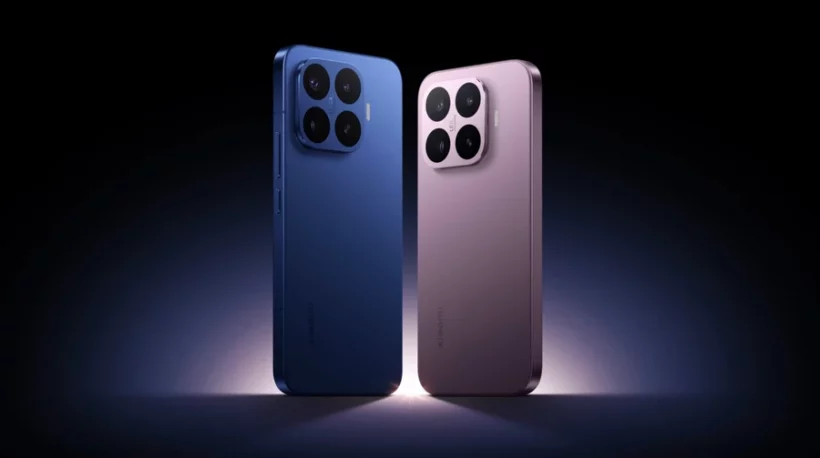
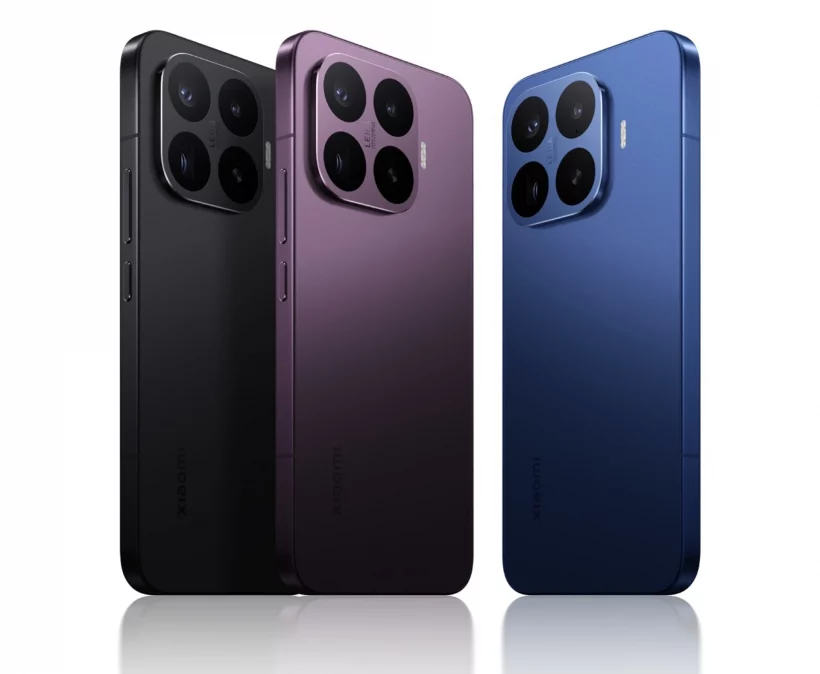
Xiaomi introduced a new generation of T series smartphones – Xiaomi 17T and Xiaomi 17T Pro. The manufacturer did not limit itself to the traditional update of processors and cameras. The novelties received several major changes at once, which clearly distinguish them from the previous line: periscopic telephoto lenses, record capacity batteries, improved OLED displays and new MediaTek chips. On the other hand, the cost of the devices has also increased — both models have become more expensive by 100 euros compared to their predecessors.
Xiaomi turns the T series into a full-fledged alternative to flagships
For the past several years, the T series has occupied an intermediate position between affordable Redmi smartphones and premium Xiaomi Ultra models. However, in 2026, the company clearly decided to change the positioning of the line.
If earlier users had to put up with simplified cameras or compromises in case materials, now many technologies that were recently considered the privilege of devices costing more than a thousand euros have reached the T series.
This is especially noticeable in the camera system.
Periscopic zoom appeared for the first time in both models
The main photographic update was a new periscope-type lens.
Instead of the classic two-time zoom used in the previous generation, Xiaomi installed a 50-megapixel module with a five-fold optical zoom and an equivalent focal length of 115 mm.
This means that smartphones are now able to shoot distant objects with much higher quality without a significant loss of detail. Moreover, the manufacturer claims that it is possible to obtain images with a quality close to optical, even with a tenfold increase.
An additional bonus was the support for macro shooting at a distance of about 30 centimeters – a solution that allows you to use a telephoto lens not only for shooting distant objects, but also for creating detailed shots of small objects.
Both models also got a 12-megapixel ultra-wide-angle camera and a 32-megapixel front-facing module.
Xiaomi 17T became more compact, but got a battery almost like a tablet
Unlike most manufacturers, which continue to increase the size of smartphones, Xiaomi decided to make the basic model a little more compact.
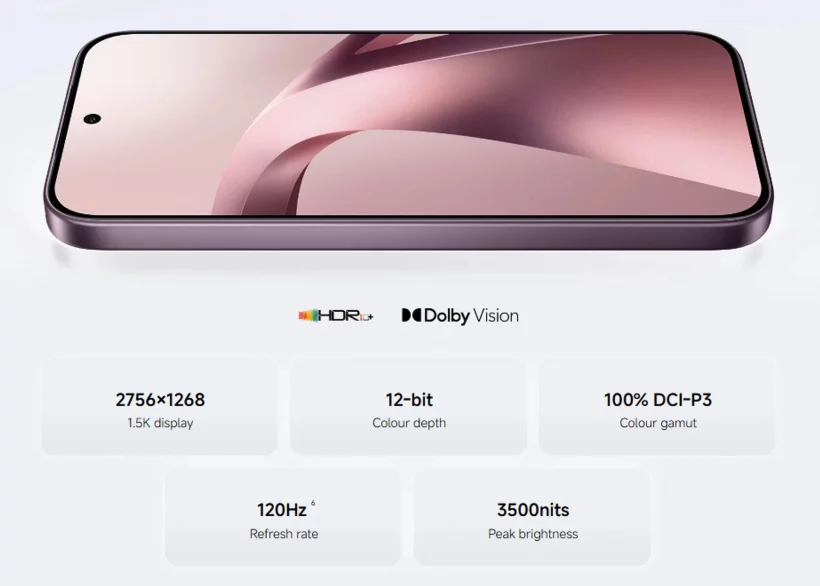
The diagonal of the Xiaomi 17T screen is 6.59 inches against 6.83 inches in the Pro version. At the same time, the device retained a high resolution of 1268 × 2756 pixels and a refresh rate of 120 Hz.
The OLED panel supports 12-bit color depth, thanks to which it can display up to 68 billion shades. The maximum brightness reaches 3500 nits, which allows you to comfortably use the smartphone even under direct sunlight.
High-frequency PWM regulation at the level of 3840 Hz and DC Dimming technologies are provided to reduce the strain on the eyes.
However, the main surprise was the battery.
Despite the relatively compact size, Xiaomi managed to place a 6500 mAh battery inside. This is almost 20% more than the previous generation. In fact, the smartphone received an energy reserve that until recently could only be found in protected models or specialized devices with an emphasis on autonomy.
67W fast charging and reverse charging for powering other gadgets are supported.
Xiaomi 17T Pro received a 7000 mAh battery and a 144 Hz screen
The oldest model of the series went even further.
Xiaomi 17T Pro is equipped with a battery with a capacity of 7000 mAh – one of the largest among modern smartphones in a classic case.
Compared to the previous generation, the increase was about 1500 mAh. Despite such a serious increase in capacity, the thickness of the case has increased only slightly.
Charging has also become faster. The smartphone supports wired charging with a power of 100 W, USB PPS standard with a similar power and wireless charging up to 50 W.
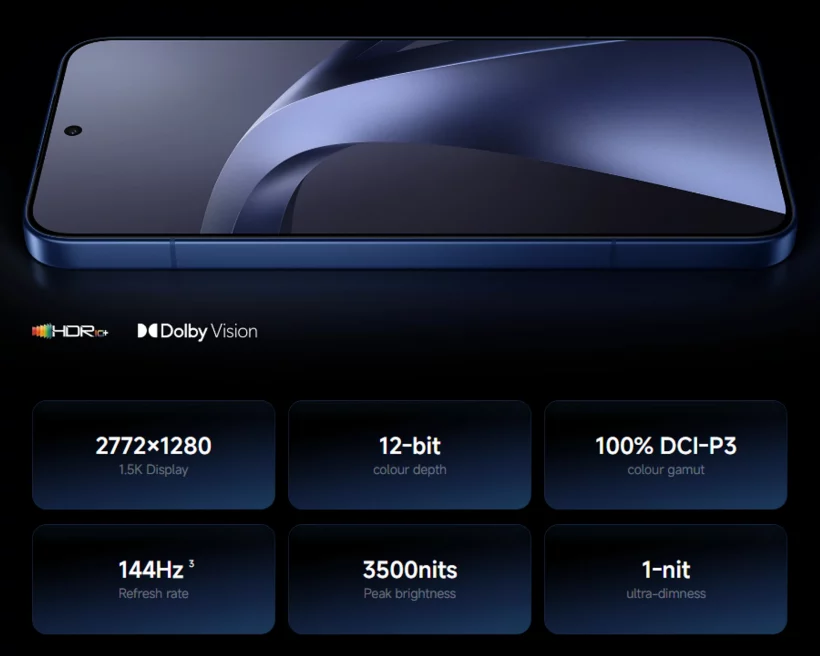
The screen kept the diagonal of 6.83 inches, but received an increased refresh rate of 144 Hz instead of 120 Hz in the predecessor.
In addition, the display is able to reduce the brightness to 1 nit, which is especially useful when using the device at night.
The main camera of the Pro version received a larger sensor
Although the set of additional cameras is the same in both models, the main camera in the Pro version is significantly different.
It uses a 1/1.31-inch OmniVision Light Fusion 950 sensor. It is noticeably larger than the sensor installed in the standard Xiaomi 17T.
The larger matrix allows more light to be captured, which is especially important for night photography, portraits and complex scenes with a wide dynamic range.
For videographers, Xiaomi has added 4K video recording at 60 frames per second with support for HDR10+ and a professional Log profile. There are also signature Leica modes, which remain one of the key features of the brand’s modern smartphones.
New processors emphasize energy efficiency and AI
The latest MediaTek chips are used inside the devices.
The basic Xiaomi 17T received the Dimensity 8500 processor, made according to the 4-nm process. It is paired with 12 GB of LPDDR5X RAM and UFS 4.1 standard drives.
The older model is equipped with a more powerful 3nm Dimensity 9500 processor.
According to Xiaomi, the new chip provides more than a 30 percent increase in computing performance and significantly speeds up graphics processing. This is especially important with the number of AI functions that are increasingly performed directly on the device without going to cloud servers.
To prevent overheating, both models received an updated IceLoop cooling system with a larger evaporation chamber.
Xiaomi is gradually closing the gap between T-series and Ultra
It is interesting that both novelties are available only with 12 GB of RAM. Версій на 16 ГБ компанія цього разу не передбачила.
This is most likely due to the new segmentation strategy of the model range. Xiaomi is trying to make the T series as attractive as possible to the mass buyer, but at the same time keep a sufficient distance between it and the more expensive devices of the Ultra and Max families.
The price increase looks logical, but controversial
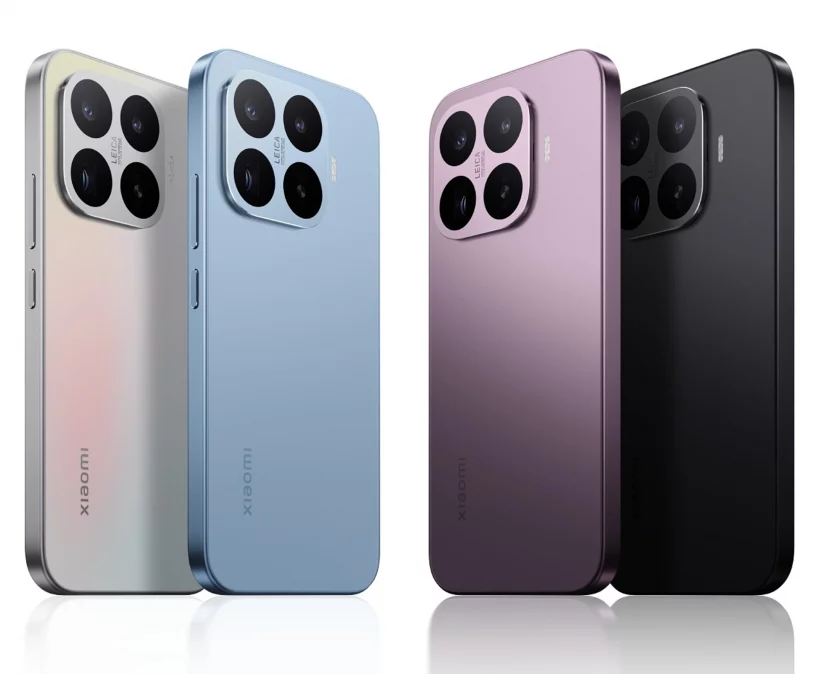
The price of the Xiaomi 17T starts at 750 euros for the 12/256 GB version.
Xiaomi 17T Pro in a similar configuration is valued at 900 euros.
Compared to last year’s models, the price increase was exactly 100 euros for each version.
Against the background of the increase in the cost of memory, displays and cameras, such a step seems understandable. However, the T series has historically been perceived as a more affordable alternative to flagships, so the new pricing may cause mixed reactions among brand fans.
Nevertheless, Xiaomi is betting that users are willing to pay more for devices that offer flagship features without having to go into the ultra-premium segment. And judging by the characteristics of Xiaomi 17T and 17T Pro, the company really tried to support the price increase with a noticeable technological leap.
Don't miss interesting news
Subscribe to our channels and read announcements of high-tech news, tes

Oppo A6 Pro smartphone review: ambitious

 0
0 
Creating new mid-range smartphones is no easy task. Manufacturers have to balance performance, camera capabilities, displays, and the overall cost impact of each component. How the new Oppo A6 Pro balances these factors is discussed in our review.
Oppo Reno16 Pro 5G smartphone review: well-heeled
0 
Oppo Reno16 Pro 5G looks like a balanced smartphone, in which the manufacturer tried not to make a single characteristic the defining one. It has many advantages. Let’s tell you what
BYD Da Han Debuts With 9-Minute Charge and 1,000 km Range
The Chinese automotive giant BYD has unveiled its full-size electric sedan, the Da Han. The new model stands out with its incredible charging speed and impressive range, positioning itself as a direct rival to German premium vehicles.
Motorola 2027 Flagships to Feature Official GrapheneOS Support

Motorola and GrapheneOS developers have announced a strategic partnership. Starting in 2027, the brand’s flagship smartphones will officially support this secure mobile OS.