

The Radeon brand turned 25, ATI could have celebrated its 40th anniversary
21.08.25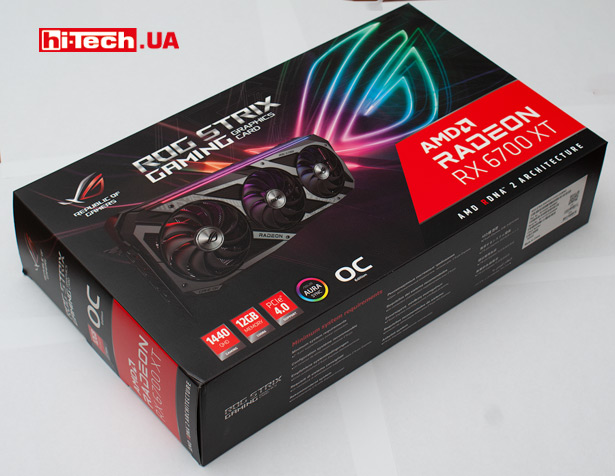
The Radeon brand turned 25. For the first time, this name appeared in the headlines of the world press in August 2000, although the R100 chip itself went on sale in the spring. Until the end of the summer, a legal ban on publishing reviews was in effect, and therefore the debut of the new brand took place only then. Radeon offered gamers the advanced experience of DirectX 7.0, support for new lighting models and HyperZ technology, which allowed for more economical use of the video card’s memory.
Both the graphics processor and memory operated at a fantastic frequency of 183 MHz for that time. DirectX 7.0 for the first time transferred geometry and lighting calculations to the video chip, added reflection effects and three-dimensional sound, which significantly raised the level of early zero graphics. Radeon’s origins go back to the Canadian company Array Technologies Inc., founded in August 1985 and soon renamed ATI Technologies. From the very beginning, ATI was engaged in graphics acceleration: first for industrial computers, later for personal computers.
By the end of the nineties, ATI became the market leader, but in 1999 Nvidia released GeForce – a new generation of video cards, which transferred Transform and Light calculations to it. ATI Rage 128 Pro could not compete directly, then the company decided to completely change the architecture of its products. To emphasize the scale of the changes, it was decided to abandon the old name Rage and launch a new brand – Radeon.
In 2002, ATI began producing mobile graphics chips Imageon, and in 2006 the company was bought by AMD for $ 5.4 billion. The ATI name was preserved in the names until 2010, after which the video cards finally switched to the AMD brand. AMD itself was going through some tough times at the time: after the success of the mid-2000s, Intel introduced the revolutionary Core 2 architecture, and AMD had to sell off its assets.
Chip manufacturing was spun off to GlobalFoundries, and the Imageon mobile division was sold to Qualcomm, which used its expertise to create the Adreno line – an anagram of the word Radeon. Despite all the difficulties, it was the graphics direction that helped AMD stay afloat during the years of the business processor crisis.
In 2011, the ATI brand was finally closed and the Radeon name became associated exclusively with AMD. Of the many video card manufacturers of the late last century – D3 Graphics, Matrox, 3dfx and others – only two brands have survived to this day: Radeon and GeForce. And although Radeon appeared as a forced response to Nvidia’s success, today it is the oldest video card manufacturer on the market and has been carrying the AMD name for almost three times longer than ATI has been managing it.
Don't miss interesting news
Subscribe to our channels and read announcements of high-tech news, tes

Oppo A6 Pro smartphone review: ambitious

 0
0 
Creating new mid-range smartphones is no easy task. Manufacturers have to balance performance, camera capabilities, displays, and the overall cost impact of each component. How the new Oppo A6 Pro balances these factors is discussed in our review.
Oppo Reno16 Pro 5G smartphone review: well-heeled
0 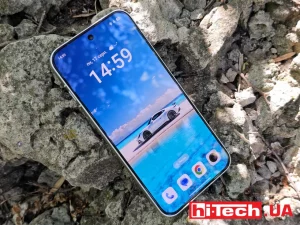
Oppo Reno16 Pro 5G looks like a balanced smartphone, in which the manufacturer tried not to make a single characteristic the defining one. It has many advantages. Let’s tell you what
Samsung Galaxy S26 FE: Everything We Know Before the Launch
Samsung is gearing up for the Galaxy S26 FE launch scheduled for this week. Anatel certification confirms the smartphone retains its predecessor’s battery capacity while adding support for up to 45W fast charging.
LinkedIn Users File Million Complaints a Month Against AI Slop

Users are actively utilizing a new LinkedIn tool to combat low-quality posts generated by artificial intelligence.