

Samsung and Neuralink expand cooperation in the development of brain implants
18.06.26
The Samsung Foundry division, known for the production of silicon wafers for a number of Elon Musk’s companies, including the Tesla car concern, is expanding cooperation with the billionaire. The South Korean technology giant has won a major tender to develop and further manufacture innovative fourth-generation chips for Neuralink.
According to South Korean media, the two companies will combine technological efforts. The cooperation promises to be a landmark step in the market of modern commercial biointerfaces, combining Elon Musk’s experience in creating revolutionary systems and the colossal semiconductor production capacity of the Samsung Electronics brand.
Features of the Neuralink O1 chip
The developers report that the fourth-generation Neuralink chip is created using Samsung Foundry’s most advanced 4-nanometer technological process. The internal design codename of the processor is O1. The use of modern energy-efficient 4-nm architecture will increase the speed of processor signal exchange, make it extremely miniature and reduce power consumption. This is a key factor that directly affects the longevity of the biological interface within the cerebral cortex.
Terms of development and release date of new generation implants
According to the sources, practical research and design and research work on the fourth-generation chip began at the end of 2025. To date, companies are focused on the following phased release schedule:
- The first pilot batch of processors was released and tested last month;
- The full launch of the program for the supply of finished medical equipment is planned for the first half of 2027;
- If the entire series of clinical medical tests confirms the calculated indicators, the model will move to the phase of mass serial production already in the second half of next year.
Fields of application of the chip: neurocomputer interfaces of the future
Neuralink technical solutions are developed primarily as an innovative tool for digital rehabilitation of people with complex diseases. The powerful chip collects the neural potentials of the patient’s brain and converts them into a digital code for controlling external smart home appliances, laptops, prosthetic limbs and electric cars without using any wires. For example, similar chips of Elon Musk of the previous generation helped a completely paralyzed person fully express his thoughts with the help of a smart software language module.
Experts of the global technology market agree in a unanimous forecast that the alliance of Samsung Electronics and Elon Musk’s promising high-tech enterprises in the field of robotics, transport and medicine will rapidly strengthen in the next few years.
Don't miss interesting news
Subscribe to our channels and read announcements of high-tech news, tes

Oppo A6 Pro smartphone review: ambitious

 0
0 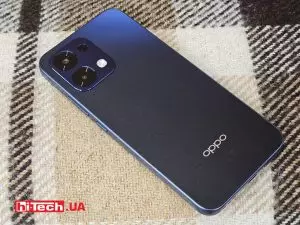
Creating new mid-range smartphones is no easy task. Manufacturers have to balance performance, camera capabilities, displays, and the overall cost impact of each component. How the new Oppo A6 Pro balances these factors is discussed in our review.
In-Ear headphones Active Noise Cancellation: how Oppo eliminate noise
0 
In-ear headphones remain one of the most popular form factors due to their lightweight design. However, this design is considered one of the most challenging to implement active noise cancellation (ANC). We’ll explain how Oppo solved this problem.
vivo V80 Lite Surfaces With Massive 10,000mAh Battery
vivo is gearing up for the release of the V80 Lite 5G smartphone, which packs an impressive 10,000mAh battery. The official presentation is scheduled for September 3, with device design varying by market.
Nothing OS 5.0 Based on Android 17: When to Expect the Reveal?
Nothing is preparing to introduce its new Nothing OS 5.0 skin based on Android 17. Official details will be unveiled on August 25.