

RingConn Gen 3 bets on autonomy and medicine: the smart ring received vibration feedback and advanced health analysis without subscriptions
10.05.26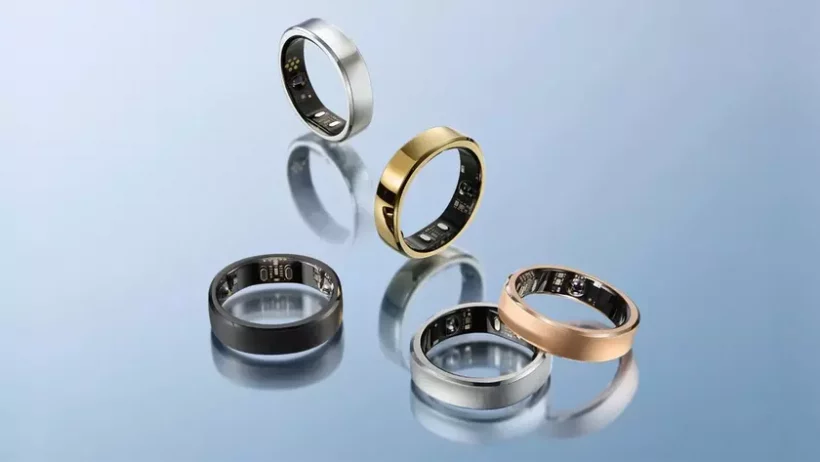
While major wearable electronics manufacturers are gradually turning health monitoring functions into subscription services, the smart ring market is starting to split into two camps. Some companies sell the device relatively inexpensively, but then require a monthly payment for sleep, heart rate, and body condition analytics. Others try to preserve the classic purchase model – the user pays once and gets full access to all the features of the gadget. The second category belongs to RingConn, which introduced a new generation of smart ring Gen 3.
The third version of the device received not only an updated hardware platform, but also several noticeable changes in everyday use. The main innovation was the built-in vibration motor – previously similar devices had practically no tactile feedback due to size and energy consumption limitations. Now the ring is able to interact with the owner directly, without the need to constantly look at the smartphone.
At the same time, the company strengthened the direction of health monitoring, adding new algorithms for analyzing sleep and the state of the vascular system. At the same time, the manufacturer separately emphasizes that access to these functions remains free and does not require a subscription.
A smart ring instead of a smart watch
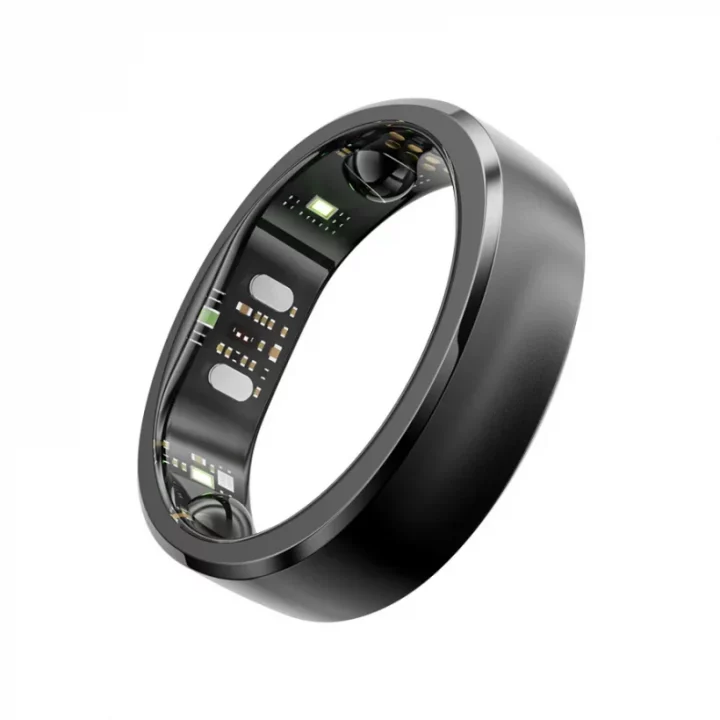
Outwardly, RingConn Gen 3 tries to distance itself as much as possible from the image of a typical electronic gadget. The device looks like a standard metal ring with no display, buttons or bright controls. The manufacturer is betting on users who do not like the idea of constantly wearing a massive smart watch or fitness bracelets.
The body is made of titanium, a material that has long been used in premium electronics, which is worn due to the combination of lightness, strength and corrosion resistance. The inner coating is made of medical epoxy resin, designed for long-term contact with the skin.
The thickness of the case is about 2 mm and the weight is between 2.5 and 3.5 grams depending on the size of the ring. For comparison: many classic metal rings weigh more. That is why one of the key tasks of the engineers was to place a complete set of sensors, a battery and a vibration system inside a compact case without significantly increasing the size of the device.
Vibration instead of messages on the screen
One of the discussed features of RingConn Gen 3 was the tactile notification system. For this, a miniature vibration motor is installed inside the ring, capable of transmitting various signals to the user.
The ring can remind you that you haven’t moved for too long, warn you about a low battery level, or report an increased level of stress. The manufacturer also allows further expansion of usage scenarios through program updates.
Such an approach seems especially logical for devices without a display. Instead of visual messages, the user receives an unobtrusive vibration that does not require taking the smartphone out of the pocket. In effect, RingConn is trying to create a format for “invisible” wearable electronics that work in the background.
At the same time, the intensity and types of messages can be adjusted through the proprietary program. The company separately notes that it tried to avoid aggressive or annoying signals that could turn the device into a constant source of distraction.
Analysis of blood vessels and control of breathing in sleep
The main emphasis of RingConn Gen 3 is not on fitness functions, but on long-term health monitoring. In the new generation, the Vascular Health Insights system appeared – a complex of algorithms that analyze the state of the user’s vascular system during sleep.
It is not a direct measurement of blood pressure, but a collection of indirect indicators related to heart rhythm, pulse variability and other biometric parameters. Based on this data, the system is able to detect potential changes in the work of the cardiovascular system and track long-term trends.
Another important function was to determine the signs of sleep apnea. This condition is accompanied by short-term pauses in breathing during sleep and is considered one of the most common, but often underestimated problems. Many people may not be aware of such violations for years.
RingConn’s algorithms analyze breathing patterns, heart rate changes and blood oxygen levels to detect potential signs of apnea. The manufacturer emphasizes that the device is not a medical device, but it can help the user pay attention to alarming symptoms and consult a specialist in time.
Constant monitoring of the body in the background
In addition to the new features, RingConn Gen 3 retains a full set of standard capabilities for everyday monitoring of the body’s condition. The ring measures the pulse around the clock, monitors the level of oxygen in the blood, monitors the body temperature and analyzes the quality of sleep.
The system also collects data on physical activity, the number of steps, the level of load and the body’s recovery time. All indicators are synchronized with the mobile application, where the user receives detailed statistics and graphs.
Integration with Apple Health and Google Health Connect is supported, which allows you to combine data with other devices and applications.
The company pays special attention to the fact that all functions are available immediately after purchasing the device. Unlike a number of competitors, RingConn does not lock in advanced analytics to a monthly subscription.
Up to two weeks of autonomous operation
Autonomy remains one of the key strengths of the smart ring format. RingConn Gen 3 is capable of working up to 14 days without recharging when vibration is turned off. If you use tactile messages, the lead time is reduced to about 10-12 days.
Even in this mode, the device is noticeably superior to most smartwatches, which often require charging every one or two days.
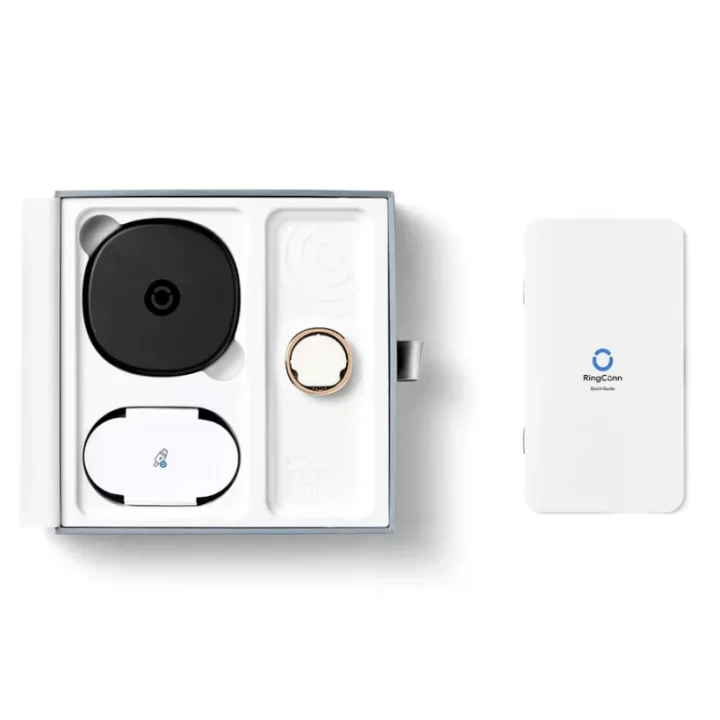
Full charging takes about 90 minutes. The set includes a charging case that acts as an external battery. According to the company, in standby mode, the case is able to support the operation of the ring for up to 150 days without connecting to the power grid.
The market of smart rings is becoming a new arena of competition
The segment of smart rings has turned from a niche area into one of the fastest growing electronics markets over the past two years. Manufacturers are gradually shifting the focus from simple step counting to analyzing sleep, the cardiovascular system, and the general state of the body.
Against this background, RingConn tries to stand out with several factors at once: a compact form factor, a long working time, advanced health monitoring and a rejection of the paid subscription model.
RingConn Gen 3 costs around $385. For the market of smart rings, it is already closer to the premium segment, but the manufacturer is betting that users are ready to pay not only for sensors and case materials, but also for the absence of additional monthly costs after purchasing the device.
Don't miss interesting news
Subscribe to our channels and read announcements of high-tech news, tes

Oppo A6 Pro smartphone review: ambitious

 0
0 
Creating new mid-range smartphones is no easy task. Manufacturers have to balance performance, camera capabilities, displays, and the overall cost impact of each component. How the new Oppo A6 Pro balances these factors is discussed in our review.
In-Ear headphones Active Noise Cancellation: how Oppo eliminate noise
0 
In-ear headphones remain one of the most popular form factors due to their lightweight design. However, this design is considered one of the most challenging to implement active noise cancellation (ANC). We’ll explain how Oppo solved this problem.
Poco X8 Power Surfaces With Massive 10,000mAh Battery

Rumors have emerged regarding the development of the Poco X8 Power, a smartphone with an impressive 10,000mAh battery. The device promises striking screen specs and a Snapdragon 6 Gen 5 hardware base.
Baseus PicoGo Pro: A 60W Compact Charger With a Smart Display
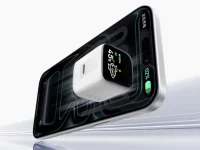
Baseus has released its new PicoGo Pro (AE22) charger in China. Equipped with an intelligent display and supporting up to 60W fast charging, the device aims to compete with the popular Anker Nano adapters at an accessible price point.