

Renault already use humanoid robots electric vehicle assembling
23.03.26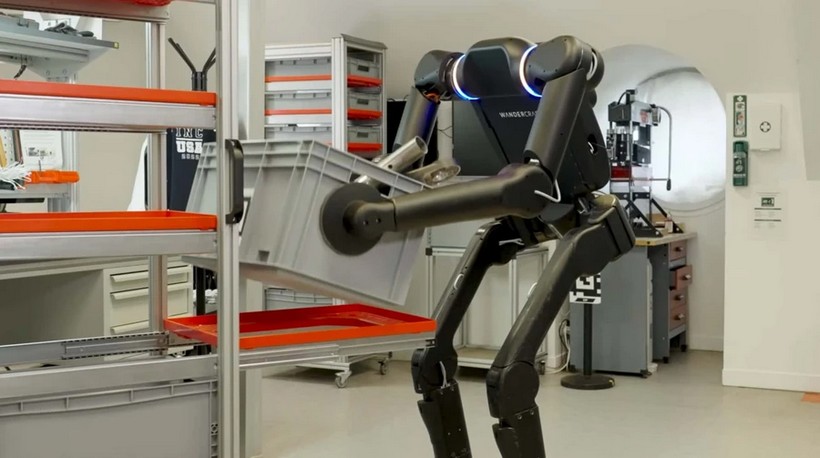
French automaker Renault has begun a large-scale deployment of humanoid robots at its factories specializing in electric vehicle assembly. Over the next 18 months, the company plans to increase their number to 350, according to InsideEVs.
Robots on the Production Line: Reducing Time and Costs
The primary goal of using humanoids is to reduce the production time required to assemble a single vehicle by 30%. In addition, Renault expects to cut manufacturing costs by approximately 20% over the next five years.
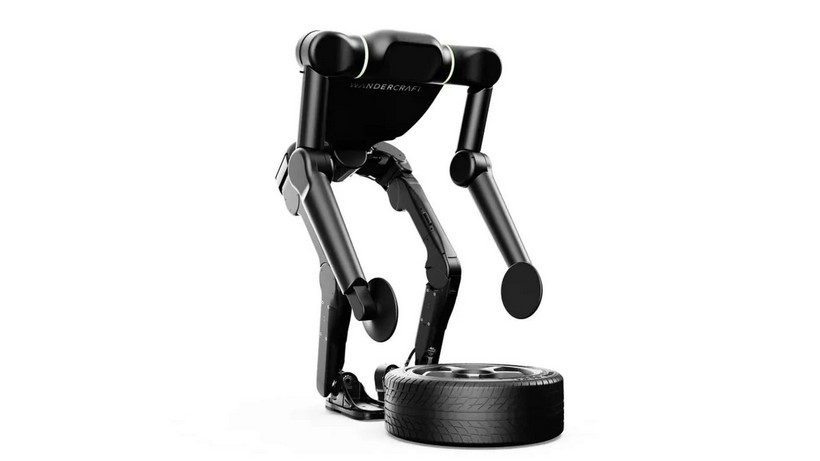
Currently, Calvin-40 robots, developed by the American startup Wandercraft, are already operating on the factory floors. They are capable of lifting items weighing up to 40 kilograms hundreds of times per day without needing breaks. In particular, the robots are tasked with placing tires on the conveyor line. They are equipped with waist-mounted cameras and LED indicators to monitor their status.
Features and Capabilities of Calvin-40
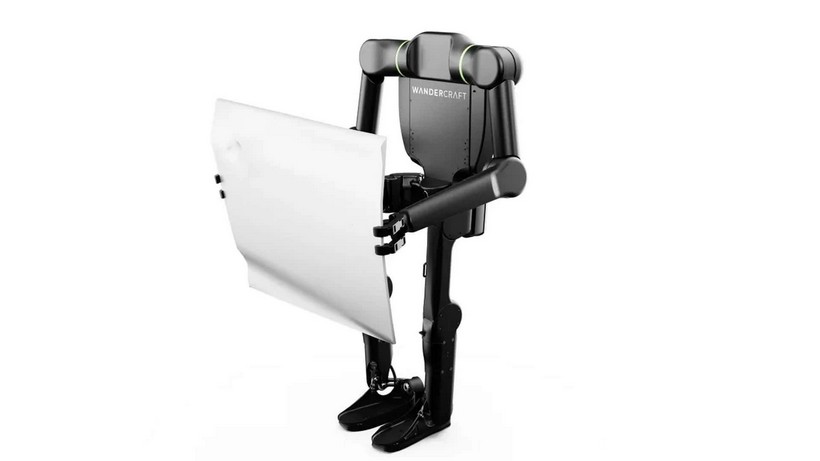
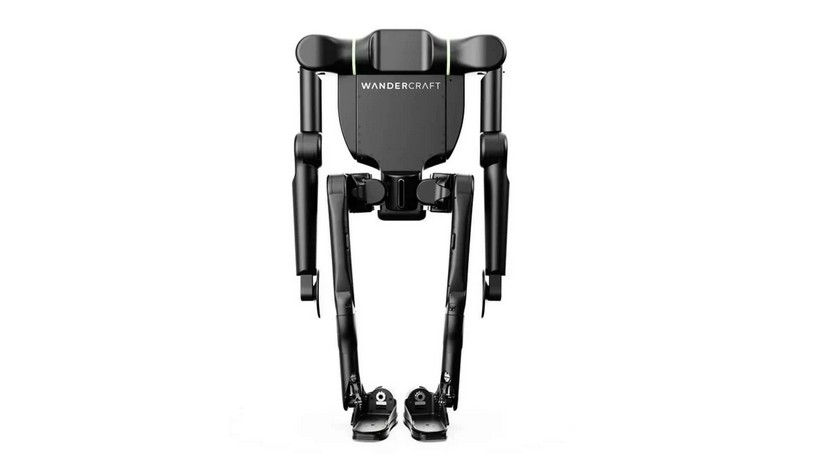
The Calvin-40 was designed for autonomous and safe operation in industrial environments. This is the second generation of Wandercraft humanoid robots. In June 2025, Renault invested $75 million in the company to accelerate development.
In theory, the robots can be trained to handle various parts on the assembly line, but in practice, their use is currently limited to lifting tires and moving panels in the body shop.
Robots Will Not Replace Humans
Renault’s management emphasizes that robots will not replace human workers in the near future. Their limited speed and agility make them unsuitable for final assembly tasks, which require precision and quick handling of each component.
“There are no robots capable of replacing humans on the final assembly line, because they lack the speed and dexterity,” said Thierry Charvet, Renault’s head of production.
Don't miss interesting news
Subscribe to our channels and read announcements of high-tech news, tes

Oppo A6 Pro smartphone review: ambitious

 0
0 
Creating new mid-range smartphones is no easy task. Manufacturers have to balance performance, camera capabilities, displays, and the overall cost impact of each component. How the new Oppo A6 Pro balances these factors is discussed in our review.
Oppo Reno16 Pro 5G smartphone review: well-heeled
0 
Oppo Reno16 Pro 5G looks like a balanced smartphone, in which the manufacturer tried not to make a single characteristic the defining one. It has many advantages. Let’s tell you what
Apple Debuts M6 and M5 Ultra Chips for Pro Workflows

Apple has introduced the revolutionary M6 and M5 Ultra processors. The M6 utilizes a 2nm architecture with advanced AI capabilities, while the M5 Ultra stands as the company’s most powerful solution for 8K video production.
Nothing OS 5.0 Based on Android 17: Rollout Schedule and Massive Overhaul

Nothing has officially unveiled Nothing OS 5.0. Here is everything you need to know about the beta launch dates, supported devices, and key update features.