

Power struggle: Apple rushes to switch to TSMC’s 1.4nm process
30.06.26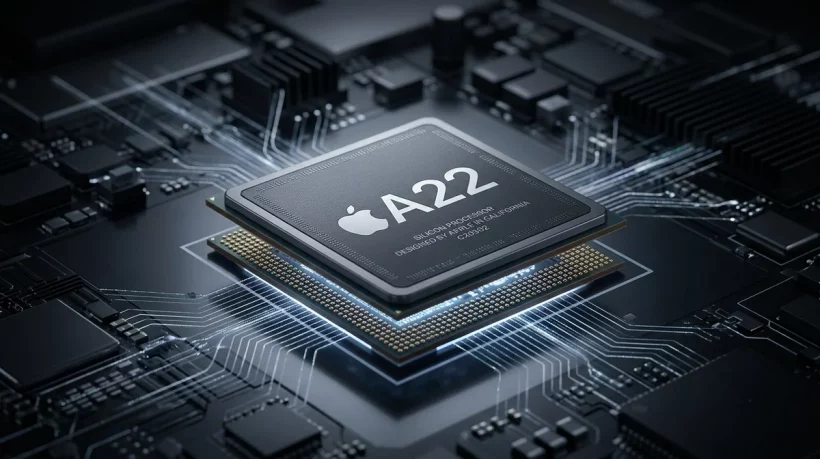
Apple faced the need to change the strategy of developing its own processors. According to sources familiar with the matter, the corporation will be forced to abandon TSMC’s 2nm process after two generations of use due to fierce competition for production lines caused by the boom in artificial intelligence.
Why is Apple forcing the transition to 1.4 nm?
TSMC is a strategic partner of Apple, but now the capacity of the chipmaker is overloaded. Demand for AI chips has been severely constrained even after TSMC ramped up production of 3nm wafers to 175,000 units per month. As the AI market is rapidly shifting to 2nm, Apple risks facing capacity shortages. The transition to the 1.4-nm node becomes a necessary step to ensure supply stability.
Schedule of transition to new technical processes
According to current data, Apple’s road map looks like this:
- 2026: implementation of technical process N2.
- 2027: transition to the N2P standard.
- 2028: development of 1.4-nm lithography for the A22 Pro processor.
Financial and technical aspects of production
The technological race requires significant investment. Today, the cost of producing one wafer using the sub-2nm process is estimated at 1.85 million hryvnias ($45,000). Although it is expensive, Apple chooses the path of compact crystals, which allows to increase the efficiency without increasing the physical dimensions of the components, unlike many competitors.
Should we expect changes in the company’s strategy?
The main goal of the company remains unchanged – to prevent shortages. With the company expected to ship more than 240 million iPhones in 2025, the need for consistent supply is critical. Early adoption of the 1.4nm technology should give Apple priority in receiving orders from TSMC, leaving rivals like Qualcomm and MediaTek with far fewer manufacturing resources.
Don't miss interesting news
Subscribe to our channels and read announcements of high-tech news, tes

Oppo A6 Pro smartphone review: ambitious

 0
0 
Creating new mid-range smartphones is no easy task. Manufacturers have to balance performance, camera capabilities, displays, and the overall cost impact of each component. How the new Oppo A6 Pro balances these factors is discussed in our review.
Oppo Reno16 Pro 5G smartphone review: well-heeled
0 
Oppo Reno16 Pro 5G looks like a balanced smartphone, in which the manufacturer tried not to make a single characteristic the defining one. It has many advantages. Let’s tell you what
One UI 9 Beta Surfaces for Galaxy S24 Series
Samsung has expanded the reach and device list for Android 17 beta testing. The One UI 9 update is now available to Galaxy S24 series owners in select regions.
Oukitel Debuts Rugged Industrial Tablet and Solar-Powered Laptop

Oukitel has unveiled a lineup of specialized rugged devices and high-capacity solar energy storage solutions, including an 11-inch industrial tablet, a unique solar-powered laptop, and new home energy storage systems.