

Memory Prices Surge to 2007 Levels
12.08.26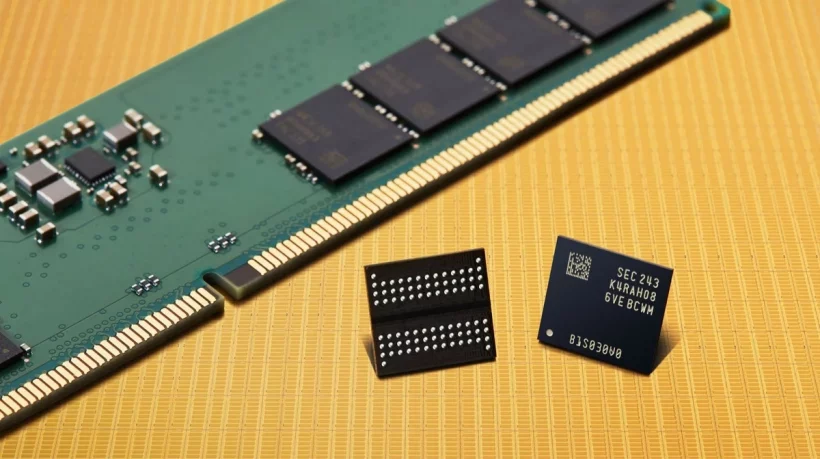
The global semiconductor market is undergoing an anomalous period. Memory component costs have effectively rolled back to 2007 levels, negating two decades of steady price declines. Experts have labeled this phenomenon a “historical anomaly,” noting an unprecedented reversal of the long-standing trend in hardware affordability.
Memory Price Hike
The primary driver of this growth is the artificial intelligence boom. Large-scale AI models and modern data centers place colossal demands on DRAM and other memory types, forcing manufacturers to redirect production capacities to serve this segment.
According to forecasts from J.P. Morgan, DRAM costs could climb by more than 400% between early 2024 and the end of 2026. Simultaneously, there is an acute shortage of NAND capacity, with contract and retail prices already jumping by 50–100%.
Electronics Pricing Impact
The soaring cost of components has inevitably impacted the end consumer. Technology giants are revising their pricing structures one after another:
- Apple: Increased prices for MacBook laptops and iPad tablets.
- MSI: Product costs have risen by up to 30%.
- Dell and Lenovo: Higher costs for personal computers.
- Xiaomi: Smartphone prices in China up by 13%.
- Sony and Nintendo: Price hikes for gaming consoles, including PlayStation 5 and the upcoming Switch 2.
Microsoft is also adjusting subscription fees for its Xbox gaming services.
The Future of the Memory Market
Experts offer mixed outlooks. According to specialist Daniel Lemire, the market may stabilize either through the creation of AI systems requiring fewer resources or via a significant ramp-up in manufacturing volume by companies.
Nevertheless, SK Hynix leadership remains cautious. CEO Kwak Noh-Jung warned that 2027 could be the most challenging year in terms of DRAM shortages. There are concerns that high demand for production capacity may persist until 2030.
The future of the market largely depends on whether the current investment boom in AI is a sustainable development or a short-term speculative bubble, which will ultimately dictate the fate of the entire memory industry.
Don't miss interesting news
Subscribe to our channels and read announcements of high-tech news, tes

Oppo A6 Pro smartphone review: ambitious

 0
0 
Creating new mid-range smartphones is no easy task. Manufacturers have to balance performance, camera capabilities, displays, and the overall cost impact of each component. How the new Oppo A6 Pro balances these factors is discussed in our review.
In-Ear headphones Active Noise Cancellation: how Oppo eliminate noise
0 
In-ear headphones remain one of the most popular form factors due to their lightweight design. However, this design is considered one of the most challenging to implement active noise cancellation (ANC). We’ll explain how Oppo solved this problem.
Memory Prices Surge to 2007 Levels
The global memory market is facing a sharp price increase that has erased two decades of technical progress.
Chinese monopoly: humanoid robots are taking over the market

During the first six months of 2026, approximately 19,100 humanoid robots were delivered globally, with Chinese companies producing over 97% of them.