

LG StanbyME 2 Max evolves into a mobile 4K hub: a TV that is no longer tied to the wall
23.04.26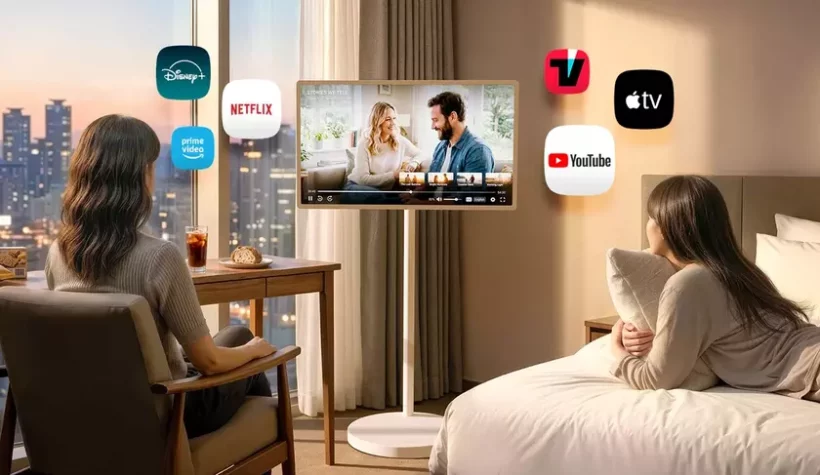
LG Electronics continues to advance the concept of a “free-moving screen,” and with the StanbyME 2 Max, it effectively steps beyond the traditional definition of a television. While earlier models in the lineup were seen as niche lifestyle devices, the new version represents an attempt to establish an entirely new category — a hybrid between a TV, a tablet, and a personal media device.
The display as the core proposition
At the heart of the device is a 32-inch touchscreen panel with UHD (4K) resolution. Unlike previous Full HD generations, LG is now clearly targeting close-range usage scenarios, where pixel density and image clarity become critical. In this context, the shift to 4K is less of an upgrade and more of a necessity for the form factor.
Image and audio processing are handled by the alpha 8 Gen3 processor, which leverages AI algorithms for real-time content optimization. The device runs on webOS 26, offering a full ecosystem of streaming services and smart TV features.
Aiming to replace the traditional TV
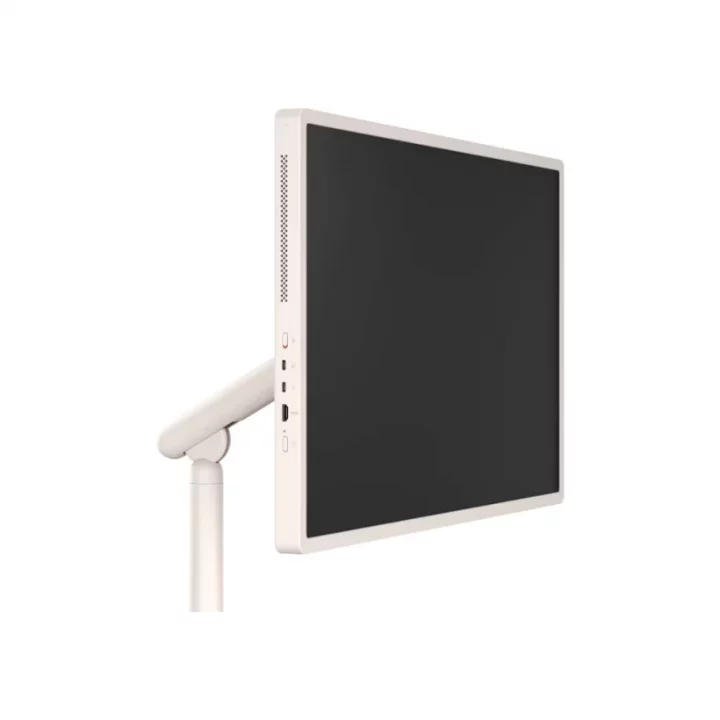
Audio has become another major focus. LG claims an 11.1.2-channel configuration, an ambitious specification for a portable device. Combined with support for Dolby Vision and Dolby Atmos, this signals an effort to bring the viewing experience closer to that of full-sized home entertainment systems.
The hardware further supports this positioning:
- a 144Wh battery delivering up to 4.5 hours of use;
- Wi-Fi 6 for stable streaming performance;
- a versatile port selection (HDMI and four USB-C ports);
- a modular design allowing the screen to be detached from its stand.
Not just a device, but a usage model
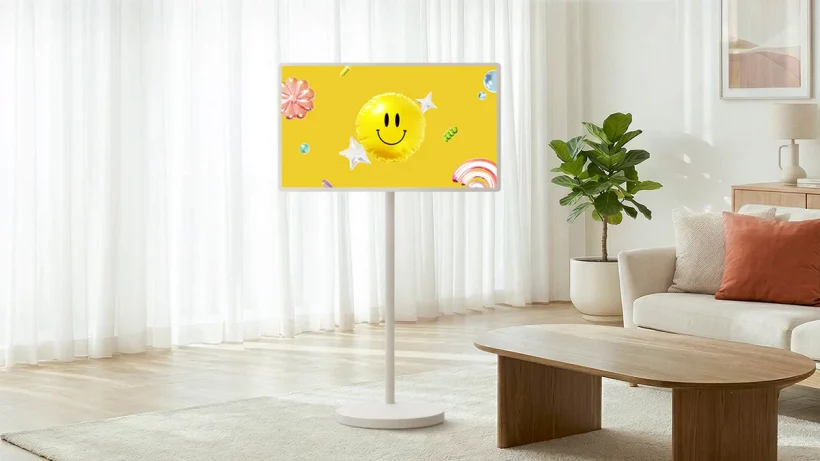
The key idea behind StanbyME 2 Max is flexibility rather than raw specifications. LG is offering not just a screen, but a new way to interact with content — one where the display follows the user.
Watching videos in bed, using it in the kitchen while cooking, or moving it out to a terrace — these scenarios define the product’s core concept. In essence, LG is repositioning the TV as a personal, rather than stationary, device.
The price of mobility
With a price tag of around $1000, the device competes not with portable gadgets, but with full-sized televisions, including larger OLED models.
However, this comparison is somewhat misleading: StanbyME 2 Max is not primarily about specs, but about convenience and mobility. Users are effectively paying for the ability to adapt the screen to their lifestyle, rather than the other way around.
Between a TV and a tablet
The detachable display adds another layer of versatility. In this mode, the device becomes a large touchscreen panel suitable for presentations, work, or specialized tasks.
That said, its size limits true tablet-like portability — it is better understood as a movable screen rather than a handheld device.
Ultimately, StanbyME 2 Max is more than just a product update; it represents a shift in how televisions are conceptualized. LG is betting on flexibility, personalization, and freedom from fixed placement, offering a new paradigm for content consumption.
Don't miss interesting news
Subscribe to our channels and read announcements of high-tech news, tes

Oppo A6 Pro smartphone review: ambitious

 0
0 
Creating new mid-range smartphones is no easy task. Manufacturers have to balance performance, camera capabilities, displays, and the overall cost impact of each component. How the new Oppo A6 Pro balances these factors is discussed in our review.
Oppo Reno16 Pro 5G smartphone review: well-heeled
0 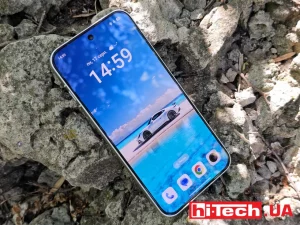
Oppo Reno16 Pro 5G looks like a balanced smartphone, in which the manufacturer tried not to make a single characteristic the defining one. It has many advantages. Let’s tell you what
Nothing OS 5.0 Public Beta Surfaces for Nothing Phone (3)
Nothing has launched the first public beta of Nothing OS 5.0 based on Android 17. Here is how to join the testing program and what you need to know before installing the update on your Nothing Phone (3).
Casio Edifice EFS-S660 Solar Chronographs Land in Europe for €199
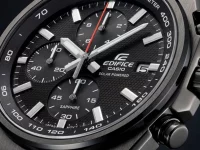
The line of steel Casio Edifice EFS-S660 chronographs is reaching European markets. Learn all about the specifications, model differences, and pricing of these new Tough Solar-powered watches.