

HMD 102 2G: the push-button phone as a conscious rejection of digital noise
29.04.26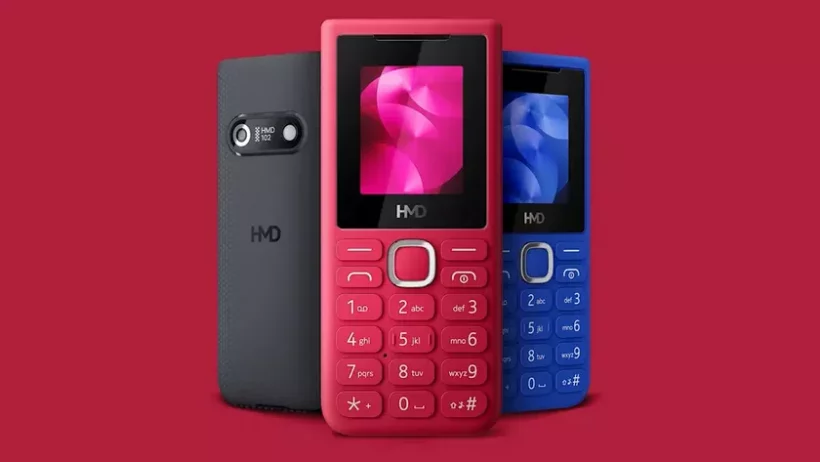
While the smartphone market continues to become more complex, adding AI functions, multi-module cameras and ultra-high-frequency screens, Human Mobile Devices demonstrates the opposite approach – a return to the most simple and functional mobile communication. HMD 102 2G does not try to compete with smartphones, but deliberately occupies a niche of devices where stability, autonomy and minimal digital interference are important.
In essence, this is a modern interpretation of the classic push-button telephone, where everything superfluous is removed for the sake of one goal – to stay in touch without being overloaded with information.
No frills screen and functionality
The device is equipped with a compact 1.8-inch IPS display with a resolution of 160×128 pixels. Despite the minimal characteristics, the use of IPS technology provides a more comfortable image compared to basic TFT-matrices, which significantly improves the readability of the interface.
The camera here has only a utilitarian character. A simple QVGA-matrix is not intended for creating content, but for recording household tasks – from a photo schedule to snapshots of documents or notes. It is a tool of creativity, and a functional auxiliary module.
Closed system and memory expansion
The basis of the device’s operation is the Series 30+ operating system, which is focused on stability and predictability. It does not support the installation of third-party applications, which completely eliminates the impact of the application ecosystem and reduces distractions.
For storing multimedia and files, a microSD slot of up to 32 GB is provided. In combination with the presence of a 3.5 mm audio jack, this allows the device to be used as a simple stand-alone music player, which is especially relevant for users who value the separation of functions.
Autonomy and basic communications
One of the key advantages of HMD 102 2G remains autonomy. The removable 1000 mAh battery provides several days of operation without recharging, making the device a reliable solution in conditions of limited access to power or as a backup phone.
The model works exclusively in 2G networks and supports the use of two SIM cards. This emphasizes its focus on basic voice communication without dependence on mobile Internet and modern data transmission services.
Charging is carried out via Micro USB – a standard that is considered obsolete in modern devices, but in this case it logically fits into the concept of the most affordable and simple phone.
Place of the device in the modern market
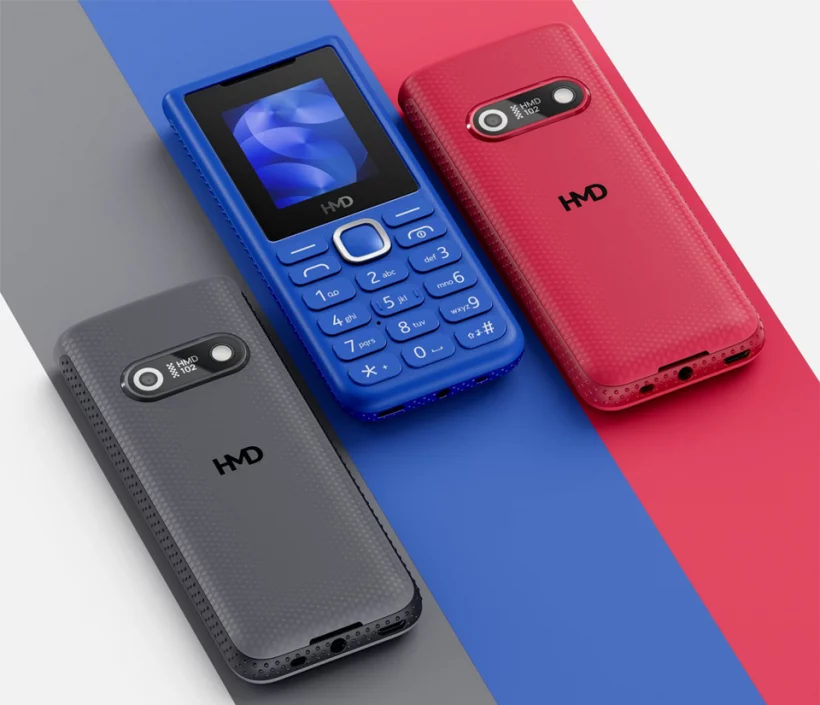
HMD 102 2G reflects the sustained interest in the push-button phone segment, which persists despite the dominance of smartphones. Such devices are chosen as an additional means of communication, a work phone or a tool for digital detoxification.
In the conditions of constant information load, such models are not a technological step back, but a conscious choice in favor of limiting digital noise and returning to the basic function of a mobile device — communication without distractions.
Don't miss interesting news
Subscribe to our channels and read announcements of high-tech news, tes

Oppo A6 Pro smartphone review: ambitious

 0
0 
Creating new mid-range smartphones is no easy task. Manufacturers have to balance performance, camera capabilities, displays, and the overall cost impact of each component. How the new Oppo A6 Pro balances these factors is discussed in our review.
Oppo Reno16 Pro 5G smartphone review: well-heeled
0 
Oppo Reno16 Pro 5G looks like a balanced smartphone, in which the manufacturer tried not to make a single characteristic the defining one. It has many advantages. Let’s tell you what
Apple Launches M6 Mac mini and Mac Studio with 512GB Unified Memory
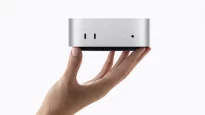
Apple has expanded its product lineup by introducing the Mac mini with the 2nm M6 chip and an updated Mac Studio featuring the incredibly powerful M5 Ultra processor.
AI Boom Fuels Success for Furniture Hardware Maker King Slide

The global AI race has driven success for an unlikely company — Taiwanese hardware manufacturer King Slide Works. The brand’s specialized server rails have become indispensable for data center infrastructure, making its founder one of the richest people in Taiwan.