

Encyclopedia Britannica sues ChatGPT developer
22.03.26
Encyclopaedia Britannica and its subsidiary Merriam-Webster have launched a lawsuit against OpenAI in Manhattan federal court. The reason for the appeal was the alleged processing of their reference materials during the creation and training of artificial intelligence systems.
The complaint cites copyright infringement and unauthorized use of trademarks. According to Reuters, the plaintiffs argue that their publications were used extensively without proper authorization. It is also noted that responses generated by ChatGPT occasionally reproduce original texts in whole or in part.
Dispute Over AI’s Impact on Content and Audience
Court filings claim that OpenAI, with the involvement of Microsoft, used articles from Britannica’s online platforms, encyclopedic entries, and dictionary definitions as training data for its models. The plaintiffs contend that this enables the system to generate ready-made answers to user queries, thereby affecting traffic to their websites.
In response, an OpenAI spokesperson stated that model training relies on publicly available data and is conducted in accordance with the fair use doctrine. The company emphasizes that such technologies transform information rather than directly reproducing it.
At the time of publication, Britannica representatives had not provided additional comments. The case unfolds amid a growing number of lawsuits concerning the use of copyrighted content in AI development.
Disagreements Over the Fair Use Doctrine
AI developers continue to argue that their systems produce new outputs based on underlying data, which justifies the application of the fair use principle. However, the lawsuit alleges that tens of thousands of Britannica materials may have been used during training.
It is further emphasized that ChatGPT can generate texts closely resembling original publications in both structure and phrasing, including introductions and dictionary-style entries. According to the plaintiffs, this may alter user behavior and reduce the need to consult primary sources.
Claims Regarding Brand Usage and Related Cases
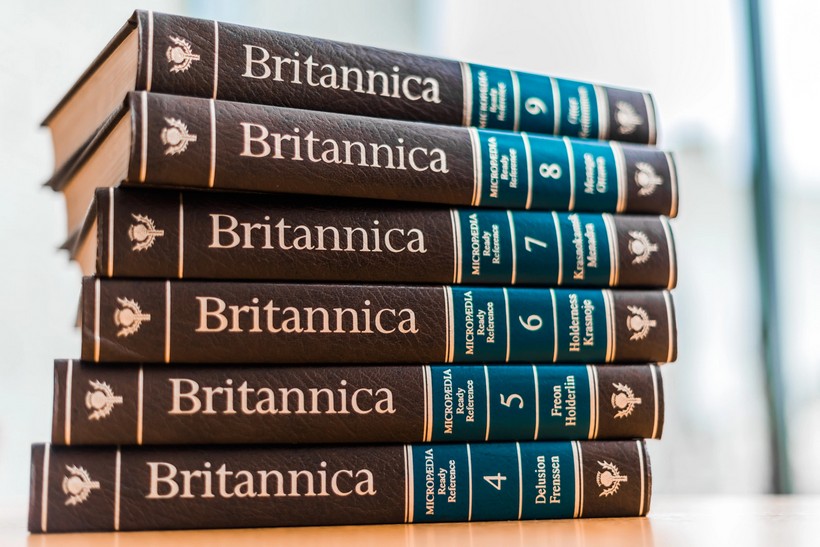
In addition to copyright concerns, Britannica points to the potential misuse of its brand name. The complaint states that the system occasionally references the company in responses containing inaccuracies, creating the impression that such content is endorsed by the rights holder.
The plaintiffs are seeking damages, the amount of which has not been disclosed, and are also requesting specific restrictions. In a comment to Engadget, an OpenAI representative noted that the company’s technologies are widely used in both academic contexts and everyday applications.
Previously, Encyclopaedia Britannica filed a similar lawsuit against Perplexity AI, which is still ongoing. At the same time, OpenAI is involved in legal proceedings with The New York Times, where similar issues regarding the use of materials without the consent of rights holders are being examined.
Don't miss interesting news
Subscribe to our channels and read announcements of high-tech news, tes

Oppo A6 Pro smartphone review: ambitious

 0
0 
Creating new mid-range smartphones is no easy task. Manufacturers have to balance performance, camera capabilities, displays, and the overall cost impact of each component. How the new Oppo A6 Pro balances these factors is discussed in our review.
In-Ear headphones Active Noise Cancellation: how Oppo eliminate noise
0 
In-ear headphones remain one of the most popular form factors due to their lightweight design. However, this design is considered one of the most challenging to implement active noise cancellation (ANC). We’ll explain how Oppo solved this problem.
Huawei Sets Global Launch Event Date: What to Expect on September 2

Huawei has announced a major presentation of new wearable devices in Munich. It is expected that the global release of the Huawei Watch GT 7 series will take place at the event under the “Chase the wild” slogan.
Samsung to Launch Five Foldable Smartphones in 2027

Insiders report that Samsung’s foldable device lineup will expand to five models next year. The series will include new wide-format Folds, an Ultra model, and a refreshed TriFold.