

Hidden RTX 50 Overheating: Enthusiasts regain access to hot spot sensors
15.07.26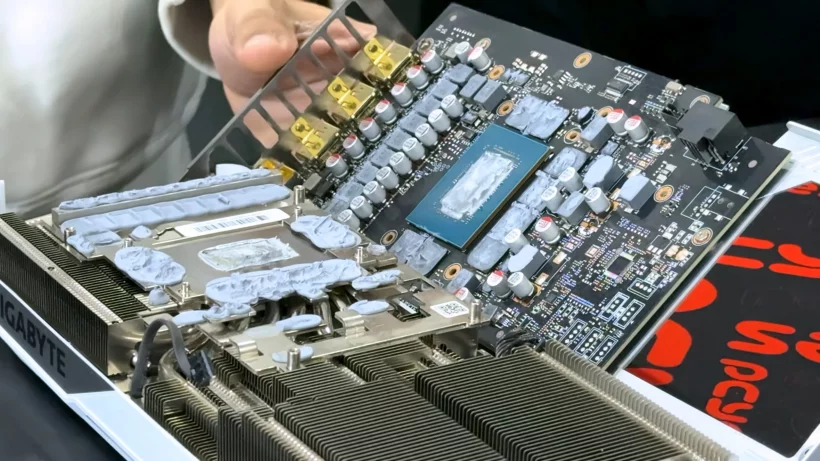
Users have encountered mysterious performance issues with NVIDIA RTX 50 Blackwell generation graphics cards. Despite the acceptable average temperature indicators, the cards often dropped frequencies or worked incorrectly. It turned out that NVIDIA has officially disabled the function of reading the temperature of the hot spot (Hotspot), which is why popular software such as HWiNFO, MSI Afterburner, GPU-Z and HWMonitor stopped displaying this data in real time.
Controlling local GPU overheating has become more difficult
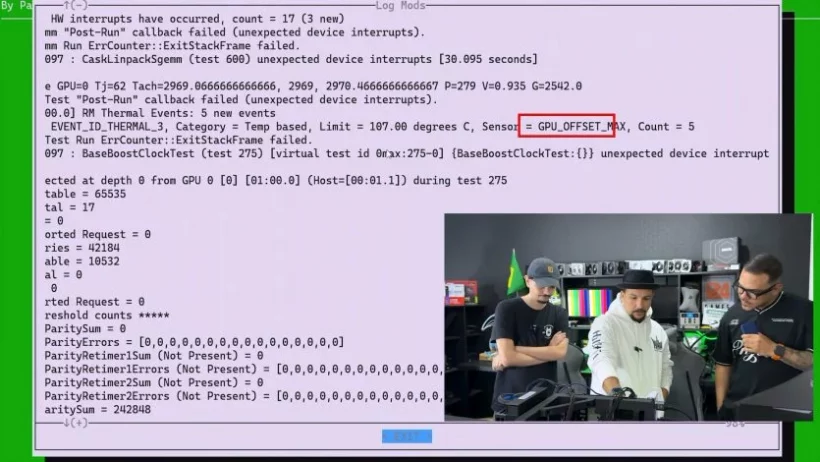
In the Blackwell architecture, the company left access only to the overall temperature of the GPU and memory indicators. However, without Hotspot control, owners are deprived of the opportunity to quickly notice the degradation of the thermal interface or poor heatsink pressure, which is critical to prevent the chip from failing.
How enthusiasts unlock hotspot scores
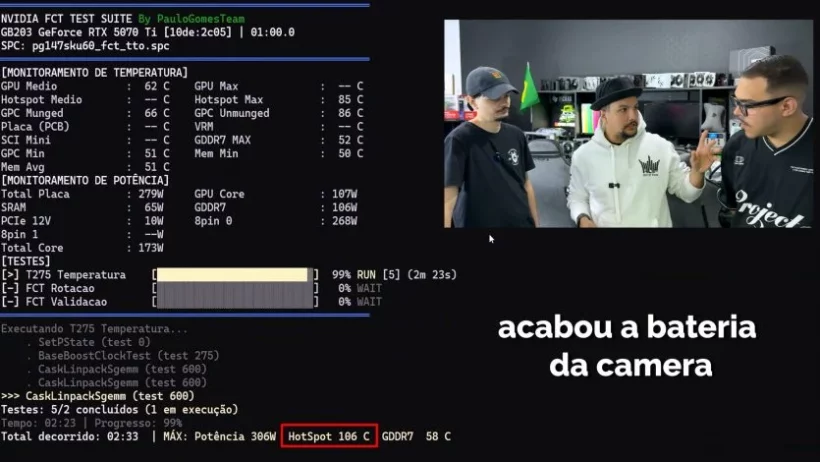
Renowned iron repair specialist Paulo Gomez found a way to bring back hot spot monitoring with custom modifications. His repair shop regularly receives RTX 50s with abnormal spikes in fan speed. It turned out that with a normal average temperature of 70-80°C, the Hotspot sensor in the problem cards recorded a value of about 107°C.
At this mark, a protective mechanism is activated, which limits the performance of the chip. Due to the lack of direct contact of the cooler with the crystal or the poor quality of the factory thermal paste, the temperature constantly returns to the critical temperature, provoking throttling.
Repair results and diagnostics
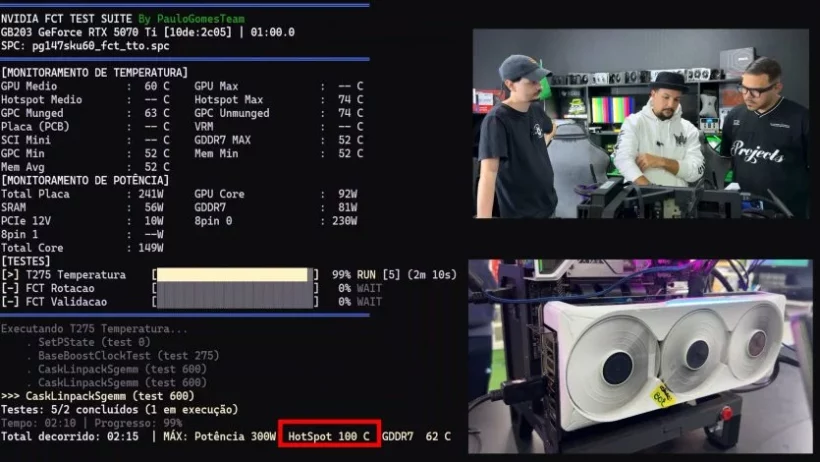
A simple replacement of the thermal paste made it possible to bring down the indicators in the hot spot to 100°C, which fully restored the expected performance of the device. This proves that the sensors themselves are physically present in the RTX 50 series GPUs – NVIDIA has only blocked their software display for the end user.
This problem is a cause for concern, as hidden overheating not only reduces FPS, but can also damage the video card. Experts recommend that NVIDIA unlock this feature through driver updates, following the example of data center solutions where deep diagnostic tools are in full force.
Don't miss interesting news
Subscribe to our channels and read announcements of high-tech news, tes

Oppo A6 Pro smartphone review: ambitious

 0
0 
Creating new mid-range smartphones is no easy task. Manufacturers have to balance performance, camera capabilities, displays, and the overall cost impact of each component. How the new Oppo A6 Pro balances these factors is discussed in our review.
Oppo Reno16 Pro 5G smartphone review: well-heeled
0 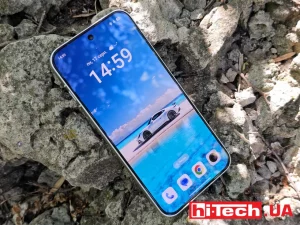
Oppo Reno16 Pro 5G looks like a balanced smartphone, in which the manufacturer tried not to make a single characteristic the defining one. It has many advantages. Let’s tell you what
Cube Stereo Hybrid ONE22 SLX 800 FE: 120Nm Torque and 800Wh Battery for City and Trails

Cube has introduced a versatile full-suspension e-bike designed for both commuting and recreation. The new model features a top-tier Bosch motor, an 800Wh battery, and is fully equipped for urban use.
Hisense A10 Pro and Ultra: The Smartphone That Doubles as an E-Reader

Hisense has released the A10 series smartphones with E-Ink displays. The unique Ultra version comes with a detachable magnetic color LCD screen.