

DRAM shortage set to last through the end of the decade: memory market covers only 60% of demand amid AI boom
23.04.26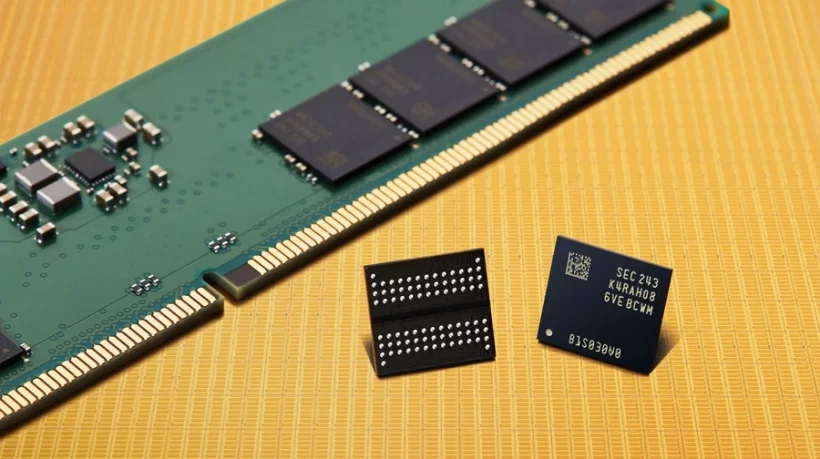
The global DRAM market continues to face a structural shortage that, according to industry analysts, is expected to persist at least until the end of 2027. As reported by Nikkei Asia (via The Verge), current DRAM manufacturing capacity can meet only about 60% of global demand. This gap between supply and demand is already putting sustained pressure on prices and overall memory availability worldwide.
Artificial intelligence becomes the main driver of market overload
The primary cause of the shortage is the rapid surge in memory demand from artificial intelligence infrastructure and large-scale data centers. These segments are aggressively increasing DRAM consumption, effectively pushing traditional consumer use cases into a secondary position.
Major manufacturers — Samsung, SK Hynix, and Micron — are already expanding production and investing in new capacity. However, the impact of these investments will be delayed, as a significant share of new fabs will not reach full output until 2027–2028.
HBM priority deepens supply imbalance
The situation is further complicated by a shift in production priorities toward HBM memory, used in AI accelerators and server systems. This segment is becoming more profitable and strategically important, leading to reduced output of standard DRAM for PCs, laptops, and smartphones.
As a result, consumer electronics remain lower in the supply priority queue, slowing down overall market recovery.
Phase-out of legacy standards tightens supply
An additional factor is the gradual discontinuation of older memory generations, including DDR3, DDR4, and LPDDR4. According to industry data, Samsung has already stopped accepting orders for these DRAM types.
Chinese manufacturers are partially stepping in by ramping up production of legacy standards, but these volumes are insufficient to close the global gap between supply and demand.
Production growth still lags behind demand
According to estimates from Counterpoint Research, memory production needs to grow by around 12% annually in 2026–2027 to stabilize the market. Current growth rates are only about 7.5%, significantly below the required level.
Market balance not expected before 2028
Analysts agree that a return to a more balanced supply-demand environment is unlikely before 2028. Until then, the DRAM market will remain under pressure from constrained supply, elevated prices, and gradual increases in the cost of end devices — ranging from PCs and smartphones to a wide range of consumer electronics.
Don't miss interesting news
Subscribe to our channels and read announcements of high-tech news, tes

Oppo A6 Pro smartphone review: ambitious

 0
0 
Creating new mid-range smartphones is no easy task. Manufacturers have to balance performance, camera capabilities, displays, and the overall cost impact of each component. How the new Oppo A6 Pro balances these factors is discussed in our review.
Oppo Reno16 Pro 5G smartphone review: well-heeled
0 
Oppo Reno16 Pro 5G looks like a balanced smartphone, in which the manufacturer tried not to make a single characteristic the defining one. It has many advantages. Let’s tell you what
Casio Edifice EFS-S660 Solar Chronographs Land in Europe for €199

The line of steel Casio Edifice EFS-S660 chronographs is reaching European markets. Learn all about the specifications, model differences, and pricing of these new Tough Solar-powered watches.
OpenAI Adds Task Scheduling to Free ChatGPT

The scheduled tasks feature is now available to users of the free version of ChatGPT.