

Windows 11 give less AI and more control over in Taskbar
25.03.26
Microsoft has prepared a new update for Windows 11 that takes user feedback into account. In a publication focused on system quality, Vice President Pavan Dhavluri noted that the team carefully reviewed user responses and will begin implementing changes for Windows Insider program participants in the coming weeks.
Reducing the Presence of Artificial Intelligence
One of the main updates will involve reducing the number of access points to Copilot within applications. This will primarily affect Snipping Tool, Photos, Widgets, and Notepad. Microsoft plans to focus only on AI features that are genuinely useful and stable, ensuring users do not experience intrusive interference with the system’s operation.
Taskbar Returns Under User Control
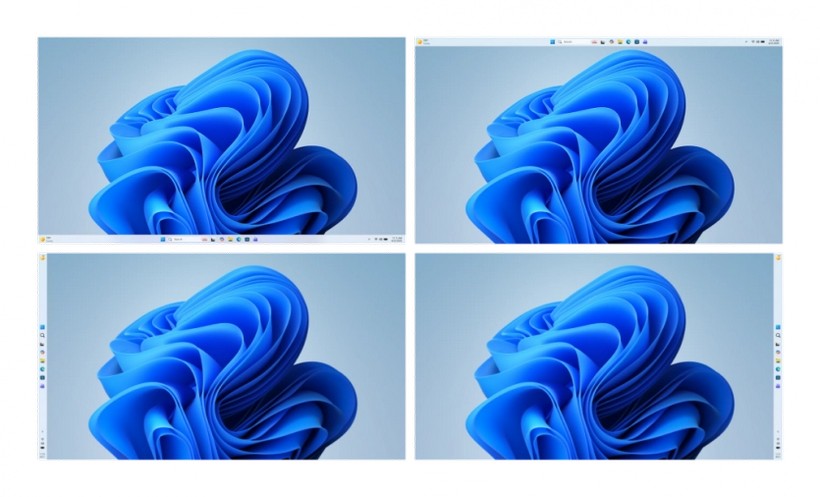
The interface will also see changes: the taskbar will become flexible again. Users will be able to position it at the top or sides of the screen. Additionally, system updates will no longer require mandatory installation before restarting or shutting down the PC. Microsoft also aims to speed up File Explorer, making it launch faster and operate more reliably during everyday use.
Optimizing Performance and Stability
The company is also focusing on the overall performance of Windows 11. Key objectives include reducing the system’s baseline memory usage, which is especially important amid rising RAM and SSD prices and a potential 9% decline in the PC market in 2026. At the same time, Microsoft is working to improve system stability, enhance driver quality, and ensure more reliable USB and Bluetooth connections without frequent disruptions.
Responding to Recent User Issues
The update appears to be a response to previous system glitches. Even standard security patches have caused problems: some PCs could not shut down properly, and Outlook performance was unstable. These issues have led some users to explore alternative solutions, including Linux and devices such as the MacBook Neo.
Microsoft is gradually shifting its focus from experimental features to fixing core functionalities. Less intrusive AI, expanded interface customization options, and stable system performance—these are the changes PC users have long been waiting for. If the company follows through on these plans, Windows 11 could regain the trust of users who have begun considering alternatives.
Don't miss interesting news
Subscribe to our channels and read announcements of high-tech news, tes

Oppo A6 Pro smartphone review: ambitious

 0
0 
Creating new mid-range smartphones is no easy task. Manufacturers have to balance performance, camera capabilities, displays, and the overall cost impact of each component. How the new Oppo A6 Pro balances these factors is discussed in our review.
Oppo Reno16 Pro 5G smartphone review: well-heeled
0 
Oppo Reno16 Pro 5G looks like a balanced smartphone, in which the manufacturer tried not to make a single characteristic the defining one. It has many advantages. Let’s tell you what
Asus ROG Xbox Ally X20 Hits Shelves for $1300
Asus has officially released the ROG Xbox Ally X20 for general sale. The handheld console now features an OLED display and a Ryzen AI Z2 Extreme processor.
Fire-Boltt Enters the Smartphone Market With 6000mAh Boltt Ace 5G and Evo 4G

The Fire-Boltt brand has unveiled two budget smartphones, the Boltt Ace 5G and Evo 4G. Both new devices pack massive 6000mAh batteries and will be available for purchase starting September 1.