

The European Union has updated the rules: smart watches and headphones received exceptions to the law on replaceable batteries
17.07.26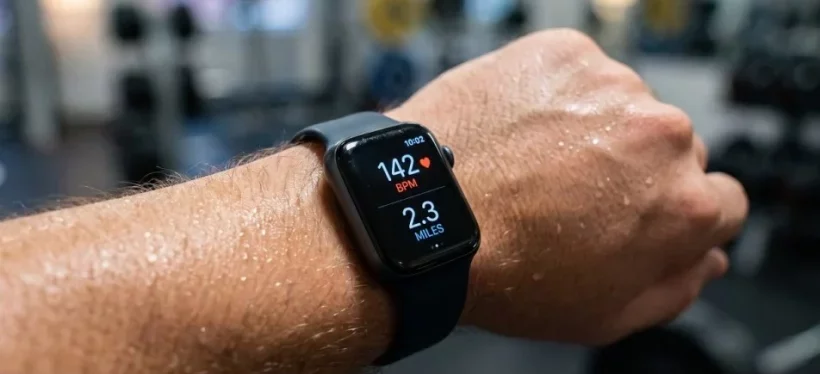
The European Union is preparing new legislation to come into force in February 2027, which will require self-replacement of batteries in consumer electronics. However, regulators have recognized that for a number of gadgets, compliance with this requirement may be technologically unjustified or unsafe.
What has changed in the requirements for removable batteries
The main goal of the new EU initiative is to make devices more durable. But what to do with devices where the design directly affects moisture protection or compactness? The European Commission has officially added exceptions for so-called “wet appliances”. Gadgets that operate in potentially submerged or splashy environments fall into this category, including smartwatches, activity trackers, wireless headphones, and heart rate monitors.
These products are not required to have a battery that the user can replace themselves, as the sealing of the case is critical to their operation.
Design features and miniaturization of gadgets
In addition to waterproof devices, ultra-compact gadgets received benefits. The documentation states that exemptions from the rules are possible “for reasons of miniaturization.” If the internal structure of the device is so dense that the user’s attempt to remove the battery could result in damage to the battery or fire of the lithium cells, then the battery should only be replaced by professional technicians.
What does “replaceable battery” really mean
It’s important to clarify the term: “user-replaceable battery” does not mean a return to the era of old feature phones with tool-less opening backs. We are talking about the accessibility of the replacement unit using standard tools, for example, a screwdriver or a spatula for disassembling the housing.
Exceptions for smartphones
The rules will also affect phones, but a specific standard applies here. If the device is IP67 rated and retains at least 83% of its original capacity after 500 charge cycles, or 80% after 1000 charge cycles, the manufacturer may limit the ability of the battery to be replaced by professional service centers.
The future of regulations
The European Commission reserves the right to supplement the list of exceptions in the future depending on “market developments, as well as technical and scientific progress.” This means that the law will dynamically adapt to the emergence of new categories of devices.
Some companies are already ahead of schedule, for example, preparing the Switch 2 device, which plans to use a replaceable battery.
Don't miss interesting news
Subscribe to our channels and read announcements of high-tech news, tes

Oppo A6 Pro smartphone review: ambitious

 0
0 
Creating new mid-range smartphones is no easy task. Manufacturers have to balance performance, camera capabilities, displays, and the overall cost impact of each component. How the new Oppo A6 Pro balances these factors is discussed in our review.
Oppo Reno16 Pro 5G smartphone review: well-heeled
0 
Oppo Reno16 Pro 5G looks like a balanced smartphone, in which the manufacturer tried not to make a single characteristic the defining one. It has many advantages. Let’s tell you what
AI Arms Race: Huawei Bids to Supply Ascend Chips to Egypt

Huawei has proposed that Egypt build a specialized AI infrastructure using 1,408 Ascend 950 processors and 600 Ascend 910B chips.
Garmin Launches Fenix 9 and Fenix 9 Pro: Up to 57 Days of Battery Life and New Titanium Standard

Garmin has released the Fenix 9 and Fenix 9 Pro smartwatches, featuring up to 57 days of battery life, a new titanium casing, AMOLED displays, and advanced health tracking.