

The application “Dіya” has become officially Open Source and is already on GitHub
18.03.24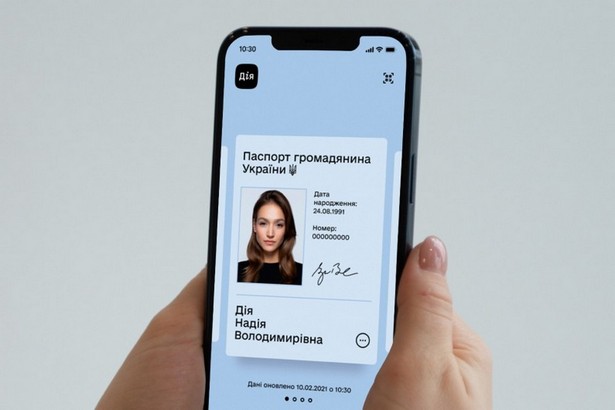
The Diya application has officially opened its source code and is now available on the GitHub platform.
In addition to the common code for the server and mobile parts of the application, Driver’s License and Police Clearance Statement are now also available as examples of working with application data (the list of documents and services is planned to be expanded in the future).
Open source Diia software is already available on Github but to gain access, you must first sign the public license on the site.
It’s interesting that now the application that is responsible in the country for collecting and sending personal data, with access to servers, can be dissected by anyone.
Don't miss interesting news
Subscribe to our channels and read announcements of high-tech news, tes

Oppo A6 Pro smartphone review: ambitious

 0
0 
Creating new mid-range smartphones is no easy task. Manufacturers have to balance performance, camera capabilities, displays, and the overall cost impact of each component. How the new Oppo A6 Pro balances these factors is discussed in our review.
In-Ear headphones Active Noise Cancellation: how Oppo eliminate noise
0 
In-ear headphones remain one of the most popular form factors due to their lightweight design. However, this design is considered one of the most challenging to implement active noise cancellation (ANC). We’ll explain how Oppo solved this problem.
Vivo V70 Lite 4G Debuts With Massive 8100mAh Battery and IP69 Rating

Vivo has announced the V70 Lite 4G version powered by the Unisoc T7300 processor. The device’s highlights include an 8100mAh battery and full IP69-rated body protection.
Honor Robot Phone Repair Costs Revealed

Discover the official repair costs for the innovative Honor Robot Phone. We break down the pricing for replacing the unique gimbal module, motherboard, and other components in case of damage.