

Apple will use processors made at Intel factories
18.05.26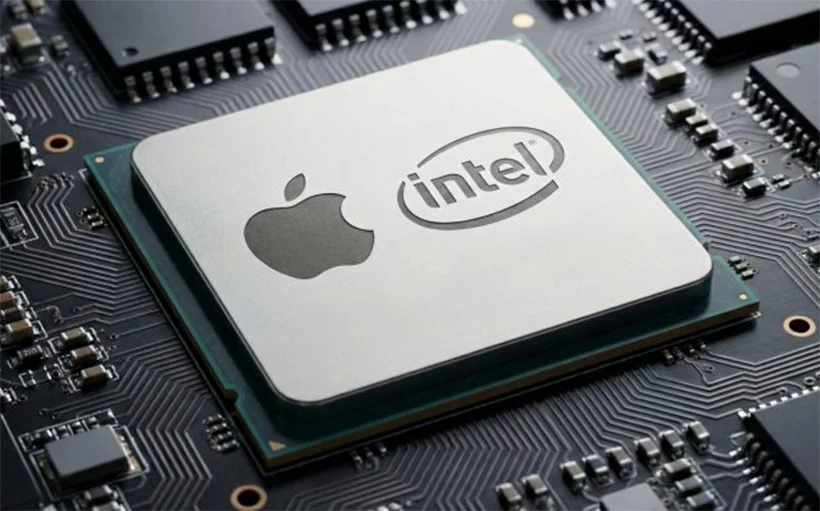
Apple chips in Intel factories are becoming a reality, marking the biggest shift in the supply chain in recent years. In an attempt to minimize risks and overcome shortages in TSMC’s production lines, the Cupertino company is testing Intel’s 18A-P process technology to produce Apple Silicon processors. This strategic maneuver will allow Apple to gain access to additional capacity in the United States and strengthen its position in negotiations with key partners.
Apple and Intel deal: what is known about the partnership
Industry data indicates the launch of the first test batches of processors based on Intel Foundry nodes. We are not talking about the most powerful crystals for the MacBook Pro. At the current stage, Intel 18A-P is used for “legacy” lines: such processors are needed to support the stable release of basic models of iPhone, iPad and Mac computers, the life cycle of which is longer than that of annual flagships. According to analysts, about 80% of the testing volume is reserved specifically for iPhone processors.
Characteristics and technologies: why the Intel 18A-P process technology was chosen
Apple chose the Intel 18A for a reason – it is an advanced solution aimed at devices in the “less than 2 nm” class. The main features of the technology are:
- RibbonFET: Gate-All-Around transistors providing a denser arrangement of elements.
- PowerVia:an innovative power supply system from the back of the chip, which is critical for mobile devices.
The 18A-P modification is specially adapted for customer scenarios where maximum energy efficiency is required. This allows you to maintain the current level of autonomy of the iPhone with a possible increase in the computing load.
Release date and timing of integration into the supply chain
Users should not expect the words “Assembled in USA with Intel Chips” to immediately appear on the boxes. Sources outline the following project roadmap:
- 2026: launch of small test batches and final verification.
- 2027–2028: systematic scaling of production volumes.
- 2029: Possible adjustment of strategy depending on the success of Intel’s own production.
It is worth noting that in February 2026, Apple confirmed its intention to buy more than 100 million chips from the TSMC plant in Arizona, so Intel remains the second, insuring route.
Differences and comparison: why does Apple need a “second exit”
The reason for Apple’s move to Intel is purely pragmatic. The growth of the AI accelerator market has left TSMC’s front lines overwhelmed with orders. The Cupertino-based company has directly acknowledged a shortage of production capacity for the new units. Intel provides not only additional production volume, but also geopolitical insurance by operating in the United States. It is impossible to quickly switch production from one factory to another due to the need to redesign the block architecture, so Apple is working for the long term.
Is it worth buying gadgets based on chips made by Intel (Conclusion)
There is no need to be afraid of Intel’s Apple Silicon. Apple independently controls the architecture and verification of each transistor. Switching to Intel Foundry ensures that you can find devices in stores during periods of peak demand for iPhone or iPad, rather than having to wait months for shipments due to silicon shortages. This is a pure business strategy to achieve independence from a single supplier.
FAQ
When will iPhones with chips from Intel appear?
The first test volumes are planned for 2026, but mass use of the Intel Foundry for Apple Silicon production is expected in the period 2027-2028.
Apple abandoning TSMC?
No, TSMC will remain Apple’s main partner producing flagship processors, while Intel will act as a second supplier for the budget and basic lines.
Will an iPhone with an Intel chip perform worse or get hotter?
The 18A-P process is specifically optimized to maintain thermal balance and high performance per watt, so the user will not notice any difference in operation.
How will Intel’s production affect Apple’s processor shortage?
The new factories will allow Apple to relieve TSMC lines that are currently busy producing AI chips, ensuring a stable supply of devices on store shelves.
Don't miss interesting news
Subscribe to our channels and read announcements of high-tech news, tes

Oppo A6 Pro smartphone review: ambitious

 0
0 
Creating new mid-range smartphones is no easy task. Manufacturers have to balance performance, camera capabilities, displays, and the overall cost impact of each component. How the new Oppo A6 Pro balances these factors is discussed in our review.
Oppo Reno16 Pro 5G smartphone review: well-heeled
0 
Oppo Reno16 Pro 5G looks like a balanced smartphone, in which the manufacturer tried not to make a single characteristic the defining one. It has many advantages. Let’s tell you what
Nothing OS 5.0 Based on Android 17: Rollout Schedule and Massive Overhaul

Nothing has officially unveiled Nothing OS 5.0. Here is everything you need to know about the beta launch dates, supported devices, and key update features.
Sony Xperia 10 VIII: Conservative Design Meets 5000 mAh Battery

Sony has introduced the Xperia 10 VIII, offering an improved OLED screen with 50% higher brightness and enhanced audio quality.