

Xiaomi Gaming Mouse 2: eSports 8000 Hz, 40,000 DPI sensor and ultra-light weight 58 g
10.05.26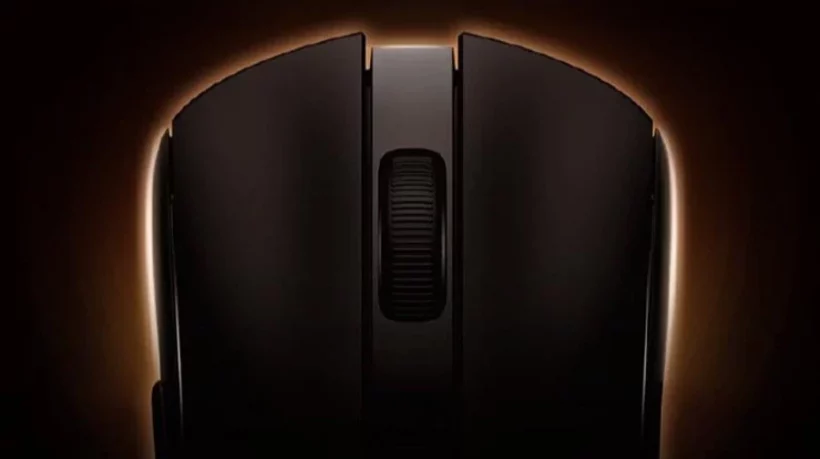
The company Xiaomi is expanding its line of accessories for gamers and has officially introduced the long-awaited Xiaomi Gaming Mouse 2. The new product, announced on the crowdfunding platform Youpin, combines advanced positioning technology and an ultra-light design for orientation.
The device is based on a powerful PixArt PAW3955XM sensor, which provides significant sensitivity up to 40,000 DPI. Paired with a Telink TL3228 controller, the mouse features a polling rate of 8000Hz in both wired and wireless modes, reducing input lag to an absolute minimum.
Features and capabilities of the PixArt PAW3955XM sensor
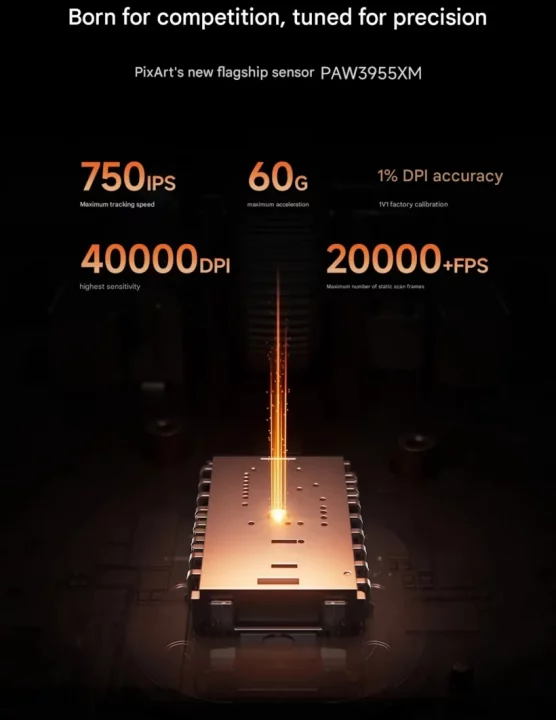
One of the key features of Xiaomi Gaming Mouse 2 is a special eSports mode. Engineers managed to increase the static frequency of scanning the surface to 20,000 FPS. This guarantees an instant response even with sudden hand movements. The Motion Sync function is also implemented, which synchronizes the transfer of data about the location of the cursor with the clocks of the monitor.
| Parameter | Value |
| Sensor | PixArt PAW3955XM |
| Permission | Up to 40,000 DPI |
| Tracking speed | 750 IPS |
| Acceleration | 60G |
| Poll frequency | 8000 Hz (wired/wireless modes) |
| Controller | Telink TL3228 |
| Weight | 58 grams |
| Battery capacity | 530 mAh |
| Connection | USB-C, 2.4 GHz, Bluetooth 6.1 |
The device offers wide customization options: five levels of separation distance (LOD), an angle correction system and support for work on glass surfaces from 4 mm thick. DPI sensitivity is adjustable in one-unit increments, and factory calibration guarantees an accuracy deviation of less than 1%.
Design features and ergonomics
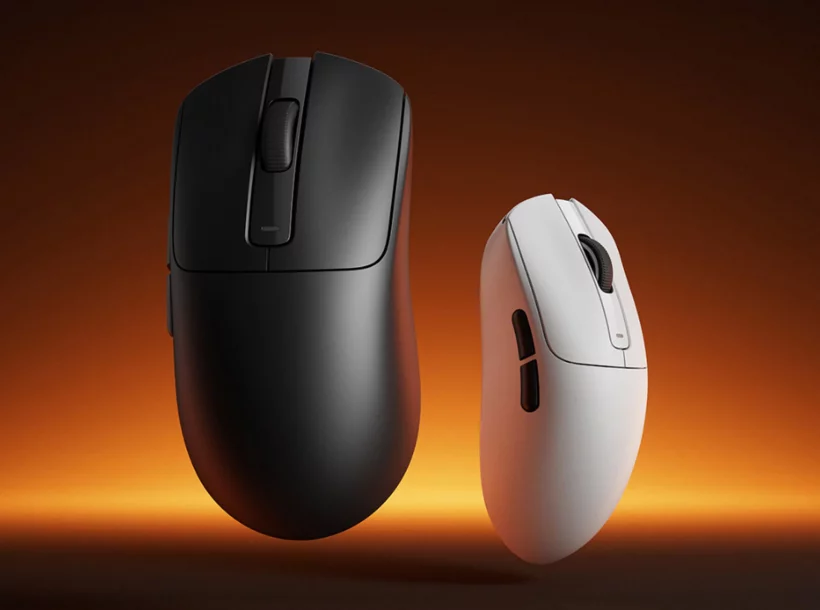
The body of the Xiaomi Gaming Mouse 2 weighs only 58 grams. To achieve this weight without losing rigidity, the developers used an umbrella frame inside the mouse. Special attention was paid to weight distribution: due to careful design, the balance between the front and rear parts is 1:1. The shape of the body is designed with the grip data of professional players in mind, making it comfortable for long sessions.
Autonomy and wireless technologies
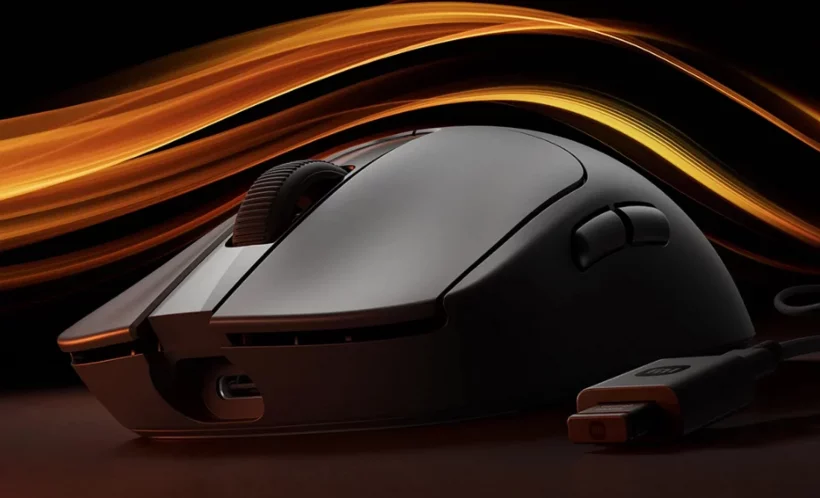
Wireless connection at 2.4 GHz is stable thanks to the technology of duplicating data packets on two channels every 125 microseconds. The built-in 530 mAh battery provides up to 160 hours of operation in 2.4 GHz mode (with a standard polling frequency of 1000 Hz).
TTC optical switches are responsible for the longevity of the buttons. The resource of the TTC Gold Wheel scroll wheel sensor is 2 million cycles. All settings (DPI, macros) can be saved directly to the internal memory of the mouse via a local or cloud application.
Price and release date
Official sales in China through the crowdfunding program will start on May 11. The standard price of Xiaomi Gaming Mouse 2 will be about UAH 2,378 ($58). For the period of early booking, a temporary discount is provided, which reduces the cost of the device to UAH 2,091 ($51).
Don't miss interesting news
Subscribe to our channels and read announcements of high-tech news, tes

Oppo A6 Pro smartphone review: ambitious

 0
0 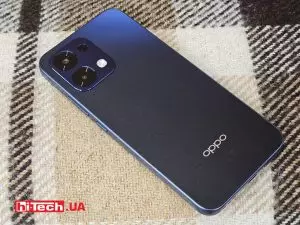
Creating new mid-range smartphones is no easy task. Manufacturers have to balance performance, camera capabilities, displays, and the overall cost impact of each component. How the new Oppo A6 Pro balances these factors is discussed in our review.
Oppo Reno16 Pro 5G smartphone review: well-heeled
0 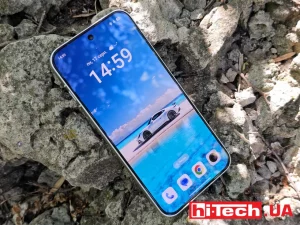
Oppo Reno16 Pro 5G looks like a balanced smartphone, in which the manufacturer tried not to make a single characteristic the defining one. It has many advantages. Let’s tell you what
Garmin Beta 18.27 Rolls Out With Over 12 Fixes
Garmin has released a new beta firmware version, 18.27, for five popular smartwatch models. The update focuses on resolving software bugs and improving overall system stability.
Ugreen MagFlow Debuts: 25W Qi2.2 Foldable Charger for iPhone

Ugreen is readying a compact 2-in-1 foldable wireless charger with Qi2.2 support. The 25W device efficiently powers the latest iPhone models and AirPods accessories.