

The cost of RAM will rise again: Samsung is preparing to increase chip prices
06.07.26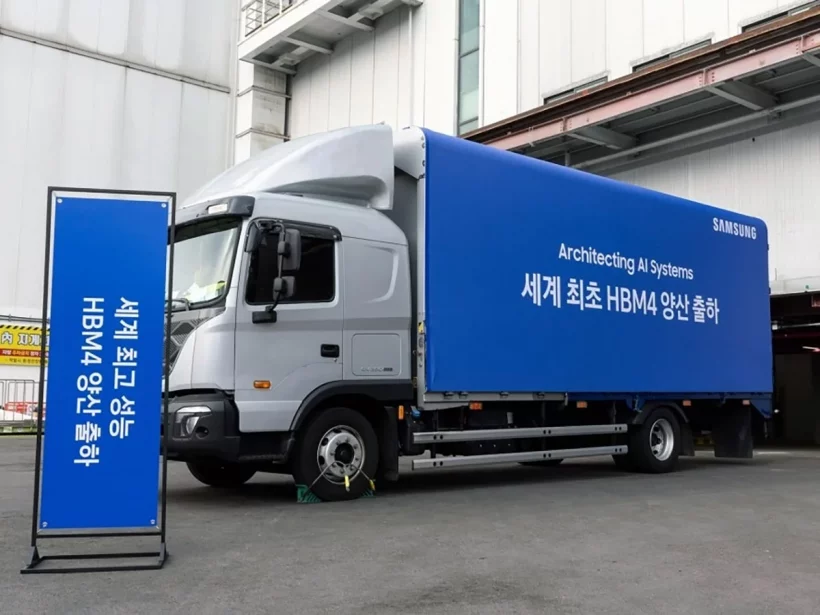
Why is RAM becoming more expensive
Users planning to purchase new equipment should prepare for rising prices. Lenovo has warned that the cost of memory chips may never return to previous levels, and the industry is expecting another round of prices due to the actions of the largest player, Samsung Electronics.
Expected increase in DRAM prices
Samsung plans to increase average selling prices (ASP) of DRAM chips by another 20% in the current quarter, according to supply chain and Korean media sources. It is noteworthy that some customers have already received the corresponding notifications verbally.
This strategy is typical for the entire South Korean memory market. Manufacturers are seeking to maximize profits amid persistent shortages fueled by investments in artificial intelligence infrastructure. Previously, the average price of Samsung DRAM had already increased by 90% in the first quarter of 2026 and by another 50% in the second quarter, which makes the current 20% price noticeable even against the backdrop of a high base.
How will this affect consumer electronics
The increase in wholesale prices for chips is gradually passed on to end customers. Apple has already officially increased prices for MacBooks, iPhones and Apple TV set-top boxes, as it can no longer cover the costs of memory production on its own.
According to forecasts by the analytical firm TrendForce, in the third quarter of this year the market will see the following price changes:
- Contract prices for DRAM will increase by 13–18% (a restraining factor will be the decline in consumer demand).
- Prices for NAND chips will rise by 10–15%.
- Individual memory modules, such as 8GB LPDDR5X, may rise in price by as much as 20%.
This threatens the availability of powerful devices that rely on large amounts of RAM, from gaming laptops to flagship smartphones. The forecasts are disappointing: due to the general increase in technology prices, smartphone shipments are expected to decrease by 11% in 2026.
Market nuances and priorities of manufacturers
Experts say the main factor behind the “scarcity” is a change in the priorities of manufacturers. Samsung and SK Hynix are actively focusing on high-margin HBM4 memory for AI computing, while the consumer component market is taking a backseat. At the moment, the giants are already facing a class action lawsuit related to accusations of price fixing and neglect of the needs of the consumer segment. And while demand from AI-focused data centers remains high, the situation in the memory market will not stabilize, and gadgets will continue to rise in price until the end of 2026.
Don't miss interesting news
Subscribe to our channels and read announcements of high-tech news, tes

Oppo A6 Pro smartphone review: ambitious

 0
0 
Creating new mid-range smartphones is no easy task. Manufacturers have to balance performance, camera capabilities, displays, and the overall cost impact of each component. How the new Oppo A6 Pro balances these factors is discussed in our review.
In-Ear headphones Active Noise Cancellation: how Oppo eliminate noise
0 
In-ear headphones remain one of the most popular form factors due to their lightweight design. However, this design is considered one of the most challenging to implement active noise cancellation (ANC). We’ll explain how Oppo solved this problem.
Apple Music to Introduce AI Music Labels

Apple Music will introduce special Made With AI labels for songs created with generative artificial intelligence by the end of 2026.
Windows 11 Update Breaks Games: The RGB Fix

The latest cumulative Windows 11 update has caused issues with game performance and stability. Microsoft confirmed the conflict is triggered by RGB peripheral software.