

Sony’s new Mini LED, OLED and LED TVs in 2024 have received improved picture processing algorithms
25.04.24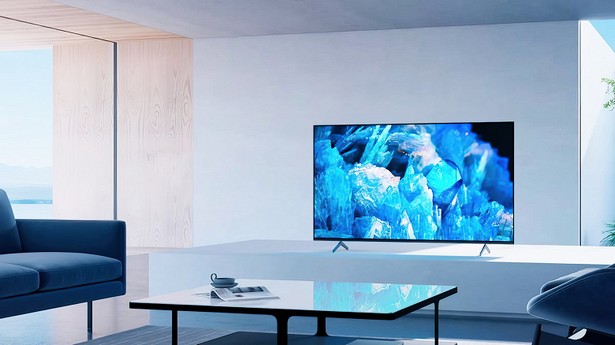
Sony has updated its line of Mini LED, OLED and LED TVs for 2024. The top-of-the-line Bravia 9 features325% more dimmable zones than the 2023 X95L. Peak brightness has increased by 50% compared to the same X95L. At the same time, the new TV consumes 20% less energy than its predecessor.
New TVs feature XR Backlight Master Drive, which automatically determines how best to use existing LEDs. Information processing is carried out by a new chip created by Sony specifically for Mini LED technology.
In addition to Dolby Vision across the range, all of the new TVs except the entry-level Bravia 3 support Netflix Adaptive Calibrated Mode and the new Prime Video Calibrated Mode. This allows the TV to automatically optimize the picture for movies, TV series and sports broadcasts.
The Bravia 9 speaker system has an additional pair of upward-firing tweeters, which should improve surround sound delivery.
The new Sony Bravia 9 TV starts at $3,299.99 for the 65-inch model. The 75-inch and 85-inch versions cost $3,999.99 and $5,499.99, respectively.
Don't miss interesting news
Subscribe to our channels and read announcements of high-tech news, tes

Oppo A6 Pro smartphone review: ambitious

 0
0 
Creating new mid-range smartphones is no easy task. Manufacturers have to balance performance, camera capabilities, displays, and the overall cost impact of each component. How the new Oppo A6 Pro balances these factors is discussed in our review.
In-Ear headphones Active Noise Cancellation: how Oppo eliminate noise
0 
In-ear headphones remain one of the most popular form factors due to their lightweight design. However, this design is considered one of the most challenging to implement active noise cancellation (ANC). We’ll explain how Oppo solved this problem.
Windows 11 Update Breaks Games: The RGB Fix

The latest cumulative Windows 11 update has caused issues with game performance and stability. Microsoft confirmed the conflict is triggered by RGB peripheral software.
Asus Challenges MacBook Pro With Powerful ProArt Creation 16

Asus has introduced a new version of its ProArt Creation 16 laptop for professionals. The device is equipped with an AMD Ryzen AI 9 processor, 64GB of RAM, and a high-quality 120Hz OLED screen.