

Second-generation X-47B multi-role drone uses AI for takeoff and landing
25.02.24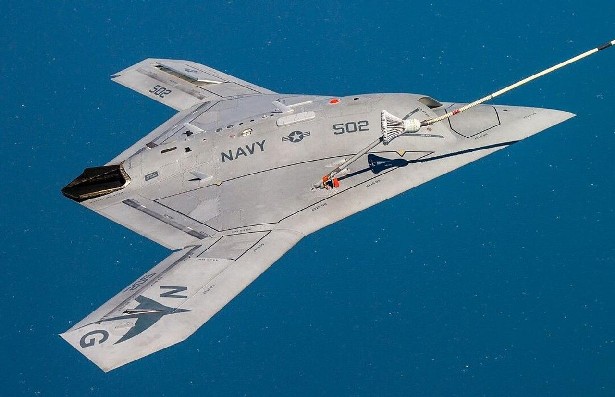
Northrop Grumman has successfully tested the second-generation X-47B multi-role attack unmanned aerial vehicle. It can autonomously take off and land, and also perform some tasks without the need for operator intervention, thanks to the capabilities of the on-board computer.
The X-47 was developed under the Defense Advanced Research Projects Agency J-UCAS project and is part of the US Navy’s UCAS-D program. The goal of the program is to create an unmanned aircraft capable of taking off from aircraft carriers.
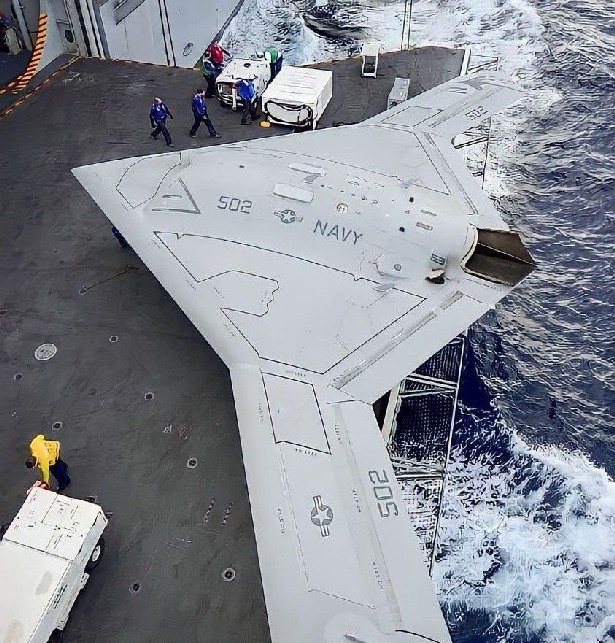
In 2013, the X-47B successfully took off from the deck of the aircraft carrier USS George W. Bush for the first time and then successfully landed on the same deck. In 2014, a video was published of the takeoff and landing on the deck of the USS Theodore Roosevelt, as well as a demonstration of the automatic folding of the X-47B wings on the deck after the flight.
The take-off procedure for the X-47B drone is carried out as part of a standard queue, immediately after the F/A-18s take off from the deck. In 2015, the X-47B performed the first-ever fully automatic mid-air refueling procedure.
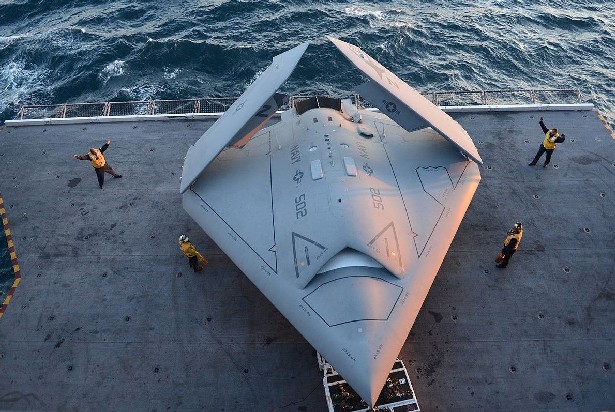
Tactical and technical characteristics of the X-47B drone:
- Crew: none
- Length: 11.64 m
- Wingspan: 18.92 m
- Height: 3.16 m
- Empty UAV weight: 6350 kg
- Maximum take-off weight: 20215 kg
- Payload weight: 2000 kg
- Engine: 1× Pratt & Whitney F100-220 turbojet
- Thrust: 8074 kg (79.1 kN)
- Maximum speed: 990 km/h
- Cruising speed: 535 km/h
- Range: 3900 km
- Maximum flight altitude ceiling: 12 km
- Armament: 2 x JDAM
- Sensors: EO/IR/SAR/GMTI/ESM/IO
Don't miss interesting news
Subscribe to our channels and read announcements of high-tech news, tes

Oppo A6 Pro smartphone review: ambitious

 0
0 
Creating new mid-range smartphones is no easy task. Manufacturers have to balance performance, camera capabilities, displays, and the overall cost impact of each component. How the new Oppo A6 Pro balances these factors is discussed in our review.
Oppo Reno16 Pro 5G smartphone review: well-heeled
0 
Oppo Reno16 Pro 5G looks like a balanced smartphone, in which the manufacturer tried not to make a single characteristic the defining one. It has many advantages. Let’s tell you what
The Witcher Remake Stalls: Why the Delay?

CD Projekt RED has paused active development of the original The Witcher remake to prioritize resources for The Witcher IV and the Songs of the Past expansion.
Legendary Apple-1 Hatfield Computer Heads Back to Auction

A unique collector’s item—the Apple-1 personal computer known as “Hatfield”—is returning to the Bonhams auction block.