

Legendary Apple-1 Hatfield Computer Heads Back to Auction
04.09.26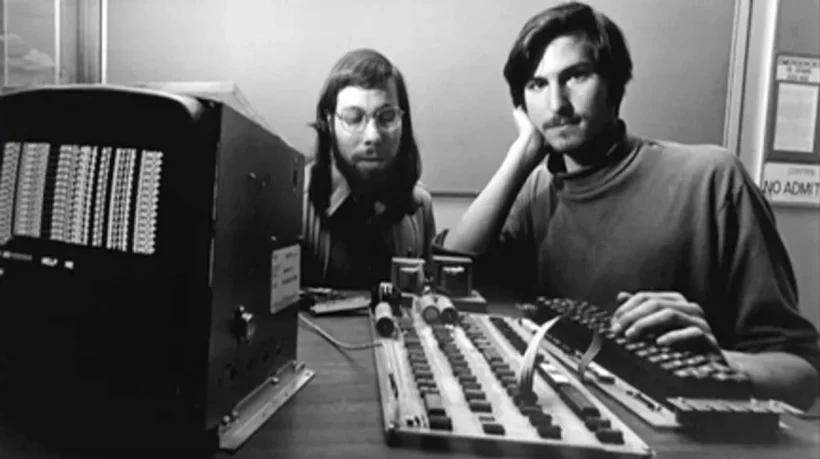
One of the few remaining functional Apple-1 computers is preparing for another trip to the Bonhams auction block. The unit, known as the “Hatfield,” features a signature from Steve Wozniak, has remained functional for decades, and previously sold for $671,400. This time, the collector will also receive a letter from Steve Jobs detailing the history of the device’s original owner.
The Story and Features of the Apple-1 Hatfield
The computer’s name is tied to its original owner, Fred Hatfield, who purchased the device during Apple’s founding year. In the official Apple-1 registry, the machine is listed as unit number 48. A significant highlight of this specific lot is the signature from Steve Wozniak, Apple co-founder and the lead engineer who developed the architecture. Notably, the unit has remained in working condition for decades.
Apple-1 Specifications
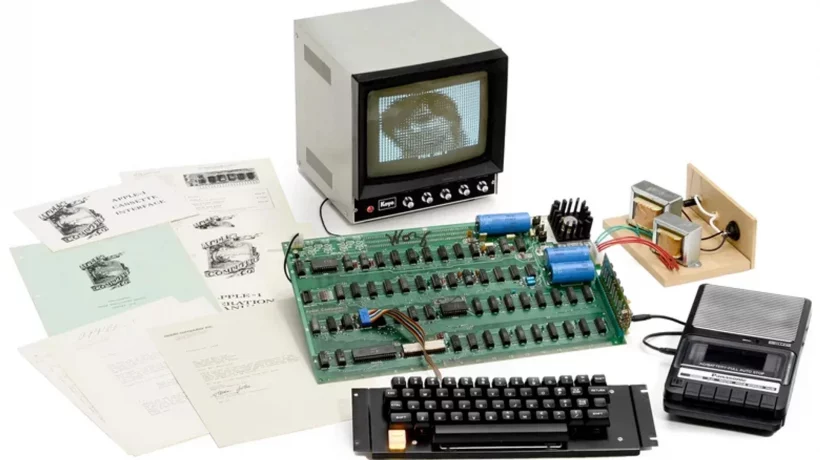
By modern standards, the Apple-1 was an incredibly simple and Spartan device. It lacked standard accessories: to use it, the owner had to provide their own power supply, source or build a keyboard, and connect a monitor. The system was equipped with only 4 KB of RAM.
Expected Value
Auction house Bonhams estimates the final sale price will range between $500,000 and $800,000. For comparison, the original retail price in the 1970s was $666.66.
Historical Documents and Personal History
Along with the computer, the winning bidder will receive a unique historical document: a letter signed by Steve Jobs. In 1978, Fred Hatfield wrote to Apple complaining about the lack of software for the system. In response, Jobs offered a trade-in: return the computer without memory and pay an additional $400 to receive an Apple II 4K. Hatfield declined, choosing to keep his original Apple-1.

Pre-Auction Exhibition Tour
Before the hammer falls in New York this October, Bonhams is hosting a series of exhibitions for collectors across the United States:
- Los Angeles: September 9–11.
- Boston: September 21–23.
- San Francisco: September 30 – October 1.
Market Rarity
Today, the Apple-1 feels like a museum piece—four kilobytes of memory, an external monitor, a custom-built keyboard, and the need to essentially construct a working system around a small circuit board. Yet, its historical value lies in that very simplicity. The “Hatfield” retains not only the remnants of Apple’s early years but also the personal story of a man who chose not to trade his computer for a more advanced Apple II. Now, decades later, that decision has turned the aging machine into a prized trophy for collectors. The six-figure price tag reflects not its technical specs, but the journey the Apple-1 has taken from an experimental hobbyist kit to a symbol of the birth of the modern computing industry.
Don't miss interesting news
Subscribe to our channels and read announcements of high-tech news, tes

Oppo A6 Pro smartphone review: ambitious

 0
0 
Creating new mid-range smartphones is no easy task. Manufacturers have to balance performance, camera capabilities, displays, and the overall cost impact of each component. How the new Oppo A6 Pro balances these factors is discussed in our review.
Oppo Reno16 Pro 5G smartphone review: well-heeled
0 
Oppo Reno16 Pro 5G looks like a balanced smartphone, in which the manufacturer tried not to make a single characteristic the defining one. It has many advantages. Let’s tell you what
AI Ban Hits Two-Thirds of New York City Students

New York City authorities are preparing a new set of rules for artificial intelligence in public schools. The new requirements will affect approximately 600,000 children.
Acer Debuts 1000Hz Predator Monitor and New Display Lineup

At IFA 2026, Acer unveiled a series of eight new monitors, headlined by the record-breaking 1000Hz Predator XB253Q U1 display.