

Light Flip: a $300 minimalist digital detox flip
24.07.26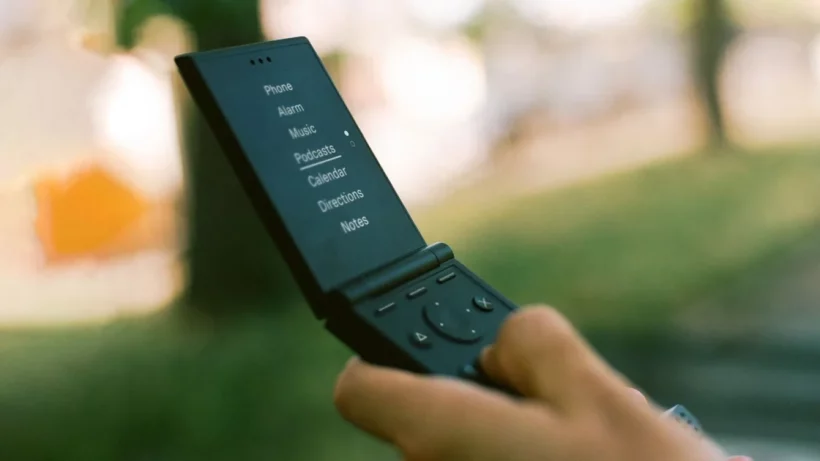
The American startup Light, known for its minimalistic phones, has introduced a new Light Flip model. The device is made in the format of a classic clamshell, but its main feature is not in the design, but in the concept of use. The developers deliberately abandoned most of the usual functions of modern smartphones, focusing on basic means of communication and a minimum number of distracting digital factors.
The project was handled by industrial designer Tan Kaiwei, who previously worked on the Motorola Razr line, along with Light co-founder Joe Hollier. According to the company, the device is designed for users who want to stay connected, but not spend hours on social networks and mobile applications.
Minimum features instead of application ecosystem
Light Flip runs on the company’s Light Phone OS operating system. It lacks an application store, a browser, social networks and popular entertainment services. Instead, only basic tools are available to the user: phone calls, messages, alarm clock, calendar, calculator and a few everyday functions.
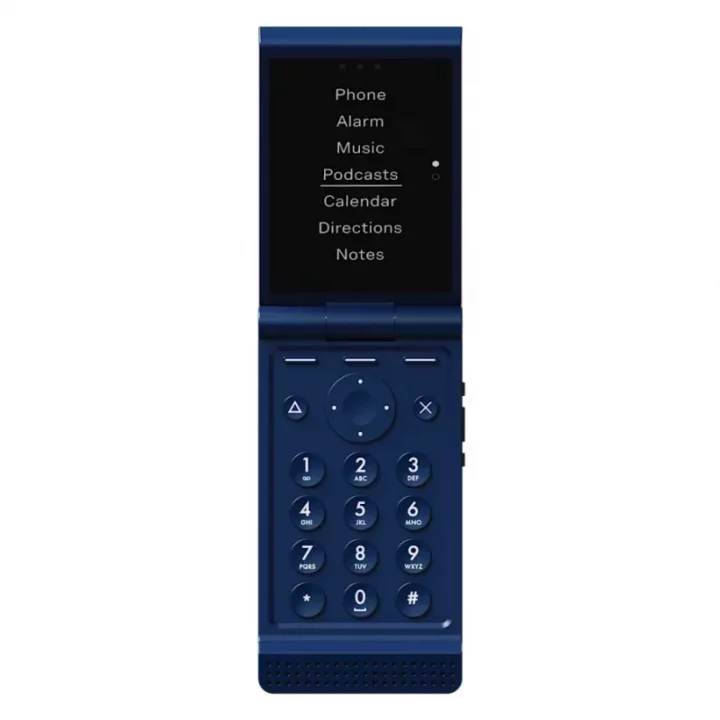
The company explains this approach by the desire to reduce the number of factors that constantly distract the device owner. At the same time, the developers do not plan to create a completely closed platform: in the future, they intend to release an SDK that will allow creating additional programs. Priority is promised to be given to utilitarian services, and not to entertainment content.
External screen has disappeared so that the phone is picked up less often
Unlike most modern clamshells, the novelty did not receive an external display. There is only a small light indicator on the lid that notifies you of incoming events. You need to unlock your phone to view or reply to a message.
A 2.8-inch OLED display is installed inside. Previously, Light devices used E-Ink screens, but in the new model, the manufacturer decided to switch to OLED, explaining this with a more comfortable interface. The body is made of plastic, and buyers will be offered several color options – from classic black to brighter colors.
Modern communication without the usual capabilities of a smartphone
Despite the minimalist concept, technically Light Flip cannot be called an outdated device. The phone supports 5G and 4G LTE networks, is equipped with Bluetooth, a 3.5 mm jack for wired headphones, a USB-C port, and works with both eSIM and physical Nano SIM cards.
The main camera with a resolution of 12 MP is provided for shooting. It is designed for capturing everyday moments rather than creating photos at the level of modern camera phones.
Bet not on features, but on a different use case
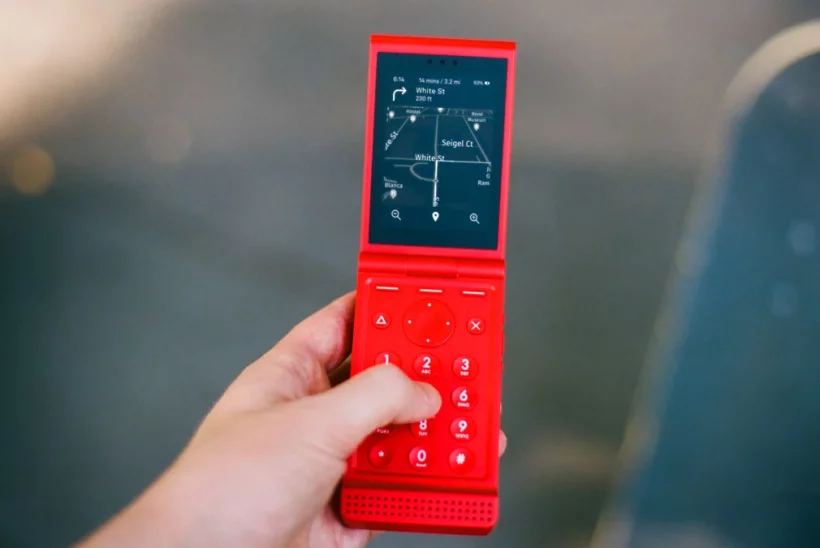
The cost of Light Flip is 300 dollars, which makes it the most affordable device in the company’s line. At the same time, the manufacturer does not try to compete with smartphones in terms of performance, the number of cameras or the capabilities of artificial intelligence.
Instead, Light offers an alternative scenario of using a mobile phone without the constant stream of messages, algorithm feeds and dozens of apps that take up most of the screen time. It is on this idea that the company builds the positioning of the new model.
Don't miss interesting news
Subscribe to our channels and read announcements of high-tech news, tes

Oppo A6 Pro smartphone review: ambitious

 0
0 
Creating new mid-range smartphones is no easy task. Manufacturers have to balance performance, camera capabilities, displays, and the overall cost impact of each component. How the new Oppo A6 Pro balances these factors is discussed in our review.
In-Ear headphones Active Noise Cancellation: how Oppo eliminate noise
0 
In-ear headphones remain one of the most popular form factors due to their lightweight design. However, this design is considered one of the most challenging to implement active noise cancellation (ANC). We’ll explain how Oppo solved this problem.
Samsung Galaxy S26 FE Surface Leak Reveals Durability and Full Specs
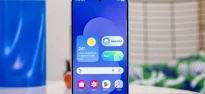
Details from the European certification of the Samsung Galaxy S26 FE have surfaced online. The new smartphone will retain a high-capacity battery and receive an upgraded hardware platform.
vivo Y31t Debuts With Massive 7200mAh Battery and Snapdragon 4 Gen 2
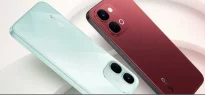
vivo has released the new Y31t smartphone featuring a 7200mAh battery, a Snapdragon 4 Gen 2 processor, and a bright 120Hz display. The model also comes with IP68/IP69 dust and water resistance.