

GrapheneOS Expanding Beyond Pixel to Motorola Flagships
22.08.26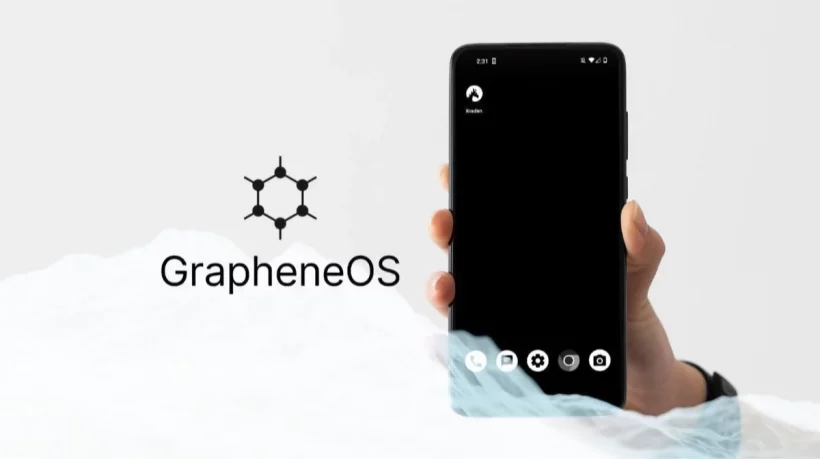
The GrapheneOS developers have announced an expansion of compatible devices beyond Google Pixel smartphones. In 2027, the project plans to release the first stable versions of the operating system for flagship Motorola models, providing users with more options for creating a secure and private mobile environment.
GrapheneOS Moves Beyond the Pixel Lineup
Until now, the primary and practically the only viable choice for GrapheneOS users has been the Google Pixel series. The move to Motorola marks a strategic step for the project team. The main motivation is to broaden hardware selection while maintaining the high security standards inherent to the OS.
Features of the First Wave of Motorola Devices
According to statements from the development team on Mastodon, only flagship models will be supported at the start of the project in 2027. This decision is driven by the need for hardware platforms that meet strict requirements regarding:
- hardware security features;
- level of driver support;
- performance of flagship Qualcomm Snapdragon chipsets.
Device Pricing and Positioning
Users should consider the financial aspect of switching to new solutions. GrapheneOS representatives have officially warned that Motorola smartphones with pre-installed or supported GrapheneOS will be more expensive at launch than current Google Pixel models.
The main obstacle to mass availability is the approach taken by chip manufacturers, specifically Qualcomm. Developers require long-term update support. Currently, GrapheneOS requires Motorola to begin investing in Qualcomm payments themselves to increase software support cycles for lower-cost devices.
How the Update Process Will Work
The GrapheneOS team plans to change the process of implementing new Android versions. The project intends to:
- prepare software releases in advance of global OS updates;
- independently host AOSP Git repositories on their own servers;
- publish source code promptly to ensure the user transition is as “seamless” and fast as possible.
The arrival of GrapheneOS on the Motorola platform will be a significant change for users who prioritize privacy and control over their smartphone software. However, the device selection will be limited at launch, and the cost of compatible models will be higher than equivalent Pixels. If Motorola can provide longer support for budget platforms, GrapheneOS could potentially cover a much wider market segment in the future.
Don't miss interesting news
Subscribe to our channels and read announcements of high-tech news, tes

Oppo A6 Pro smartphone review: ambitious

 0
0 
Creating new mid-range smartphones is no easy task. Manufacturers have to balance performance, camera capabilities, displays, and the overall cost impact of each component. How the new Oppo A6 Pro balances these factors is discussed in our review.
In-Ear headphones Active Noise Cancellation: how Oppo eliminate noise
0 
In-ear headphones remain one of the most popular form factors due to their lightweight design. However, this design is considered one of the most challenging to implement active noise cancellation (ANC). We’ll explain how Oppo solved this problem.
Samsung Galaxy S27 Ultra Camera Design Surfaces

A potential camera design for the Samsung Galaxy S27 Ultra has surfaced. The smartphone may adopt a protruding platform module, similar to Apple’s design language.
Garmin Fenix 9 Surface: Everything We Know Before the Official Launch

A Czech retailer has accidentally revealed the full Garmin Fenix 9 lineup, consisting of 18 different variants. The new models feature various case sizes, integrated satellite connectivity, and an official launch scheduled for August 25.