

Android 17 QPR1 Beta 1 for Pixel: Google changes the update model and bets on “invisible” improvements
28.04.26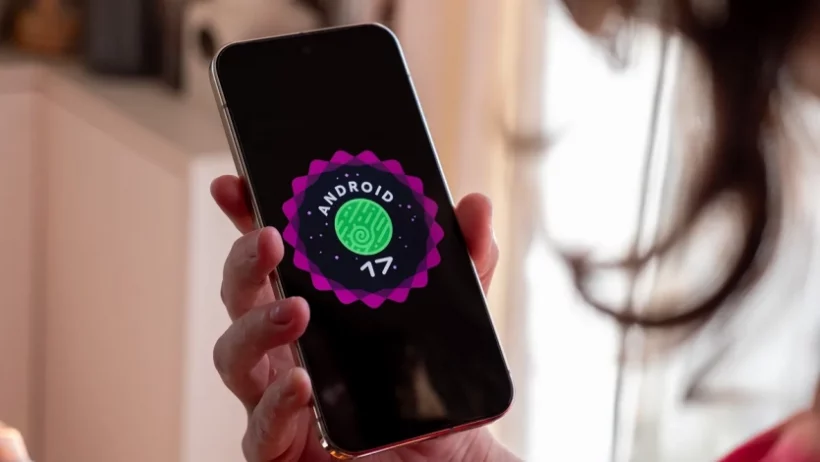
Google has launched the first beta version of the Android 17 QPR1 quarterly update for the Google Pixel series devices – and significantly ahead of the usual schedule. The release took place only a week after Android 17 Beta 4 and before the release of the final version of the system, scheduled for the second half of 2026.
From “big releases” to continuous refinement
Traditionally, new versions of Android were associated with a set of notable features that were presented as the key changes of the year. However, with the move to the Quarterly Platform Release format, the emphasis shifts.
Android 17 QPR1 shows that the base version of the system is now the foundation, and anything that really changes the user experience is spread over quarterly updates.
The first QPR1 beta is no longer an experimental build, but an almost finished product, in which Google brings the system to a state suitable for everyday use.
Why “nothing new” actually matters
At first glance, the update looks modest: no big-name features, redesigns, or new tools. But this is precisely its meaning.
After achieving the so-called “platform stability”, Google deliberately refuses to add new features in favor of eliminating critical and accumulated problems. This allows you to stabilize the ecosystem before the release of the final version and reduce the number of bugs in the release build.
Fixes affecting real-world experience
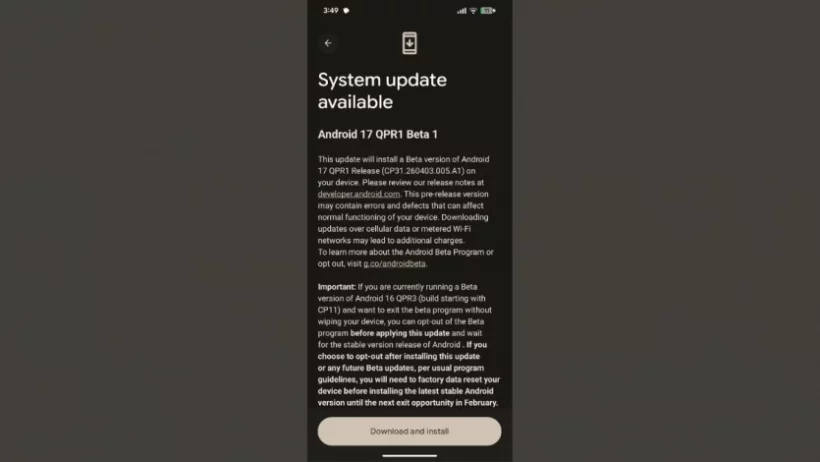
While the changelog doesn’t look impressive, it does affect key use cases.
Fixed a bug in the printing system that could cause jobs to hang when supplies are low, a problem that is relevant in corporate environments.
Fixed crashes in Terminal that resulted in ANR errors. Such freezes are especially critical, as they can drag the entire system down.
A significant part of the work was carried out in the audio subsystem. In particular, incorrect hardware processing of sound during voice calls, which caused distortion in VoIP services, was removed. Also fixed a bug with playback of long audio streams where the system could not correctly engage the direct audio output.
These are not the changes that are shown at the presentations, but they are the ones that form the feeling of a “quality” device in everyday life.
Stable beta as the new standard
The positioning of the assembly itself deserves special attention. According to Google, this version is already suitable for daily use.
This reflects a change in the philosophy of beta programs: they are less and less reminiscent of test sites and more and more like preliminary access to an almost finished product.
Device support and flexibility for users
The update is available for a wide range of models, from the Pixel 6 to current devices, including the Pixel 10a. This confirms Google’s desire to unify the experience within its own line.
At the same time, users retain control: they can stay on the stable version by simply skipping the update, or install a beta build through the Android Beta Program and then roll back without losing data.
The assembly is distributed under the number CP31.260403.005.A1.
When to wait for the release
The stable version of Android 17 is expected to be released in mid-2026, and the final release of the QPR1 will be synchronized with the launch of the next generation of Pixels – probably in late summer or early autumn.
Don't miss interesting news
Subscribe to our channels and read announcements of high-tech news, tes

Oppo A6 Pro smartphone review: ambitious

 0
0 
Creating new mid-range smartphones is no easy task. Manufacturers have to balance performance, camera capabilities, displays, and the overall cost impact of each component. How the new Oppo A6 Pro balances these factors is discussed in our review.
Oppo Reno16 Pro 5G smartphone review: well-heeled
0 
Oppo Reno16 Pro 5G looks like a balanced smartphone, in which the manufacturer tried not to make a single characteristic the defining one. It has many advantages. Let’s tell you what
New Cube Nuroad Hybrid C:62 Electric Gravel Bike Weighs Only 15.4kg

Cube has introduced the Nuroad Hybrid C:62 Race 400X FE 2027 electric gravel bike. The model stands out with a lightweight carbon frame, a Bosch motor, and a full set of accessories for daily riding.
Philips Launches Free 3D-Printable Replacement Parts for OneBlade and More

Philips has started providing free STL files for 3D printing attachments for its shavers and trimmers in collaboration with Prusa Research. This allows OneBlade owners to print their own accessories and extend the service life of their devices.