

Sony Bravia Theater U – neck-mounted speaker for gaming and watching TV
21.04.24
Sony has unveiled the Bravia Theater U, a new $300 neck-worn speaker designed specifically for gaming and watching TV.
Bravia Theater U has 360-degree sound with bass, but does not have full 3D audio isolation. The new product has a battery life of up to 12 hours and supports Dolby Atmos. Unlike its predecessors, it allows you to simultaneously connect two users’ devices to one TV.
The speaker has dimensions of 235x48x178 millimeters, weighs 268 grams and has IPX4 water and dust protection. A 5W charger is used for charging.
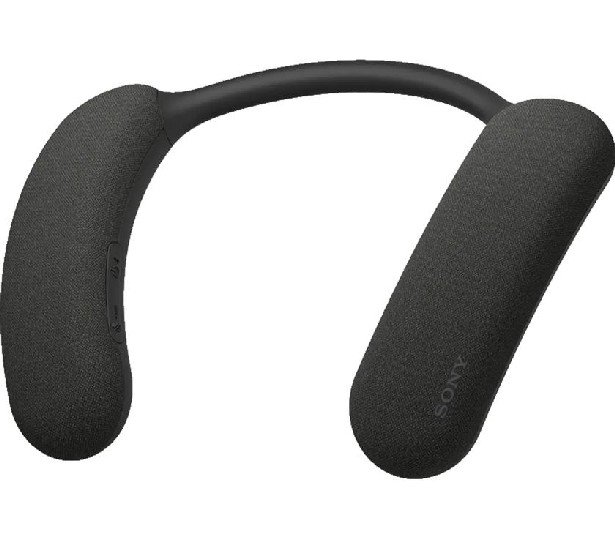
Neck speakers, also known as wearable or around-the-neck speakers, are a type of personal audio device designed to be worn around the neck. Unlike traditional headphones, these speakers are placed on the user’s shoulders, projecting sound upward towards the ears.

It is believed that Bose was one of the first to produce such a speaker. It introduced the Bose SoundWear Companion speaker in 2017, which became popular due to its design and sound quality.
Don't miss interesting news
Subscribe to our channels and read announcements of high-tech news, tes

Oppo A6 Pro smartphone review: ambitious

 0
0 
Creating new mid-range smartphones is no easy task. Manufacturers have to balance performance, camera capabilities, displays, and the overall cost impact of each component. How the new Oppo A6 Pro balances these factors is discussed in our review.
Oppo Reno16 Pro 5G smartphone review: well-heeled
0 
Oppo Reno16 Pro 5G looks like a balanced smartphone, in which the manufacturer tried not to make a single characteristic the defining one. It has many advantages. Let’s tell you what
Squadron 42 Delayed to 2027 to Avoid GTA 6 Clash

Cloud Imperium Games has pushed the release of Squadron 42 to the second quarter of 2027 due to the launch of GTA 6.
Mouse DAIV CX-A9A60 Mini PC: Ryzen AI Max+ Power at a Premium Price
Mouse has unveiled the high-performance DAIV CX-A9A60 mini PC, powered by the Ryzen AI Max+ 395, 128GB of RAM, and a 2TB SSD.